
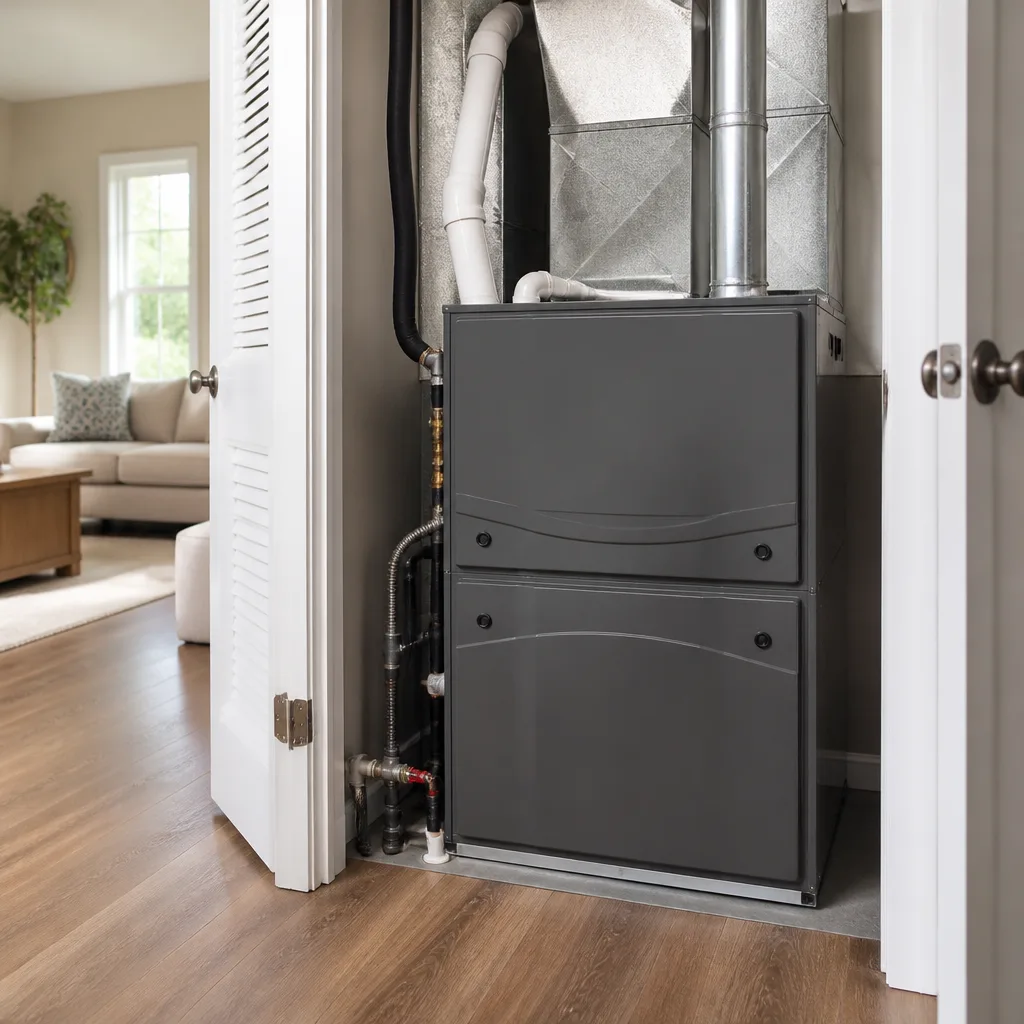
 Furnace & heating
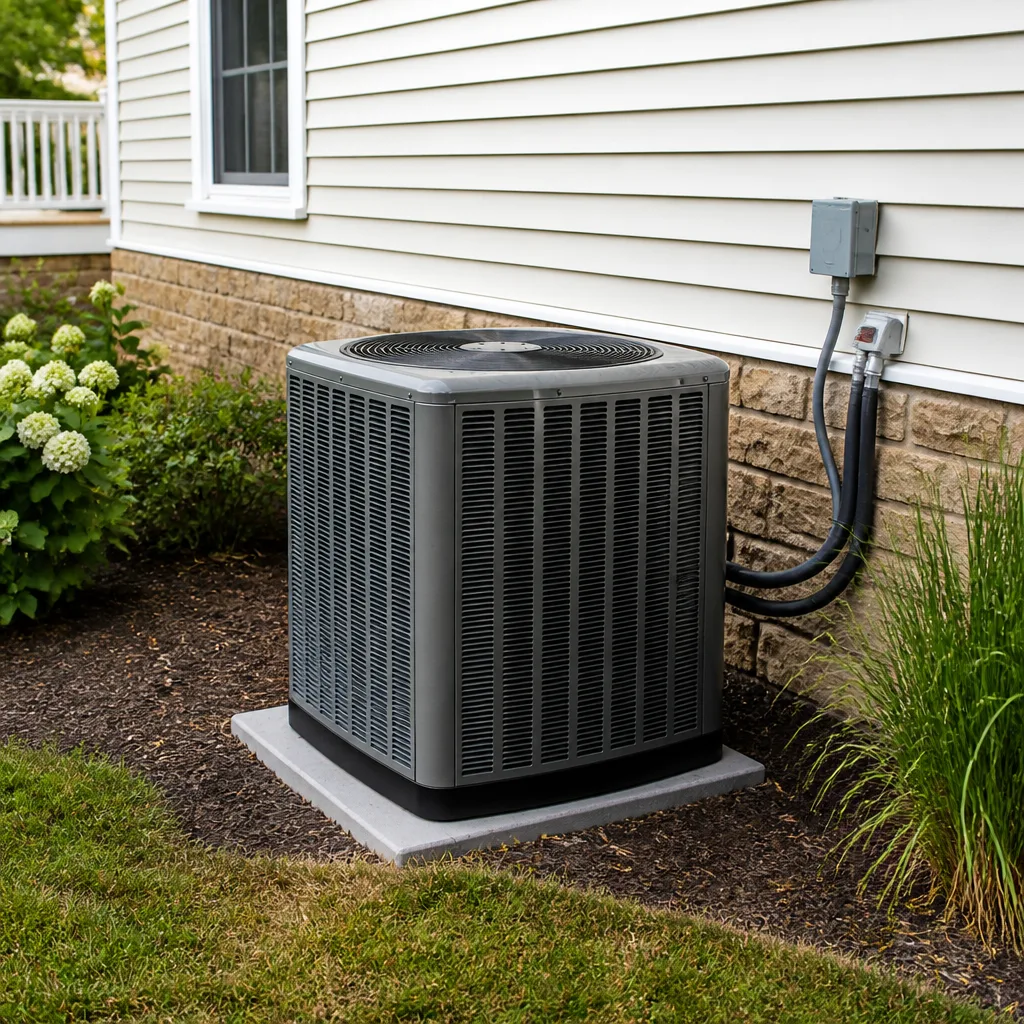 AC repair
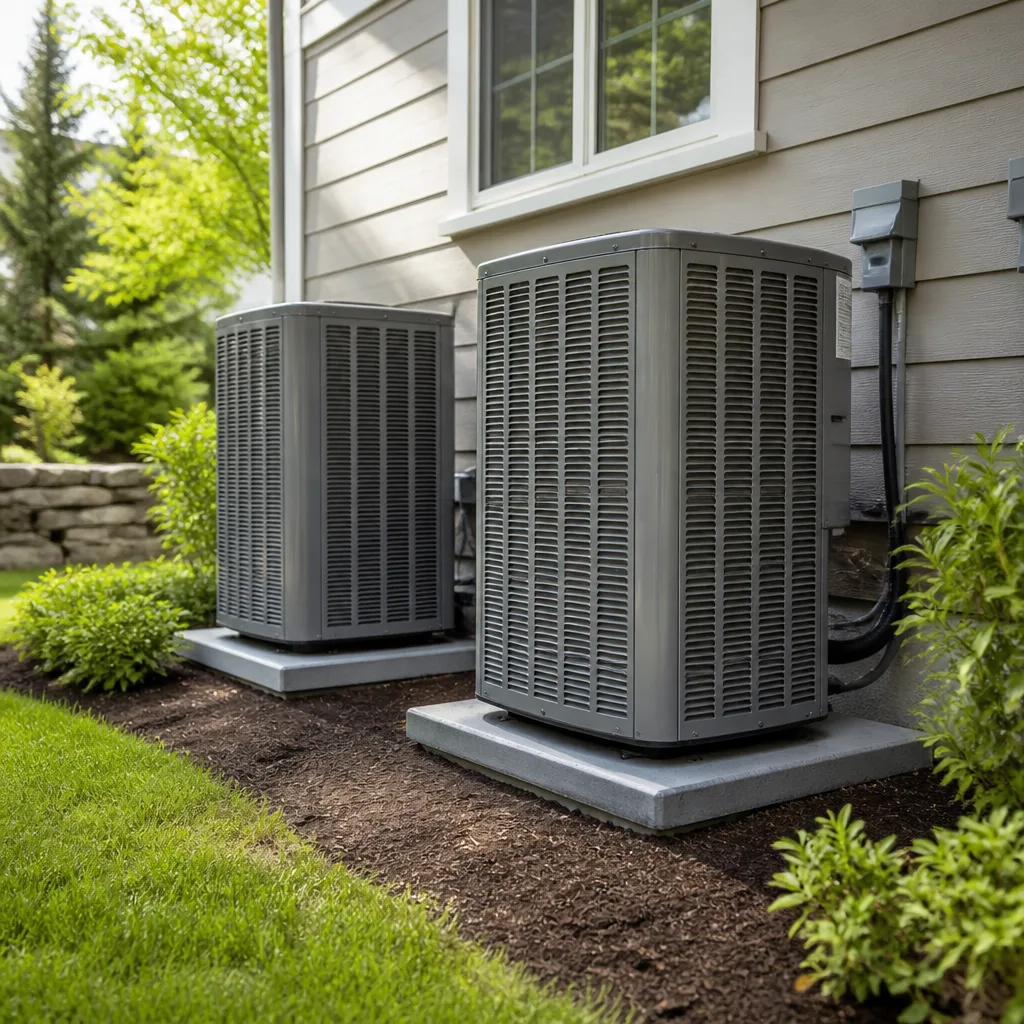 Heat pumps
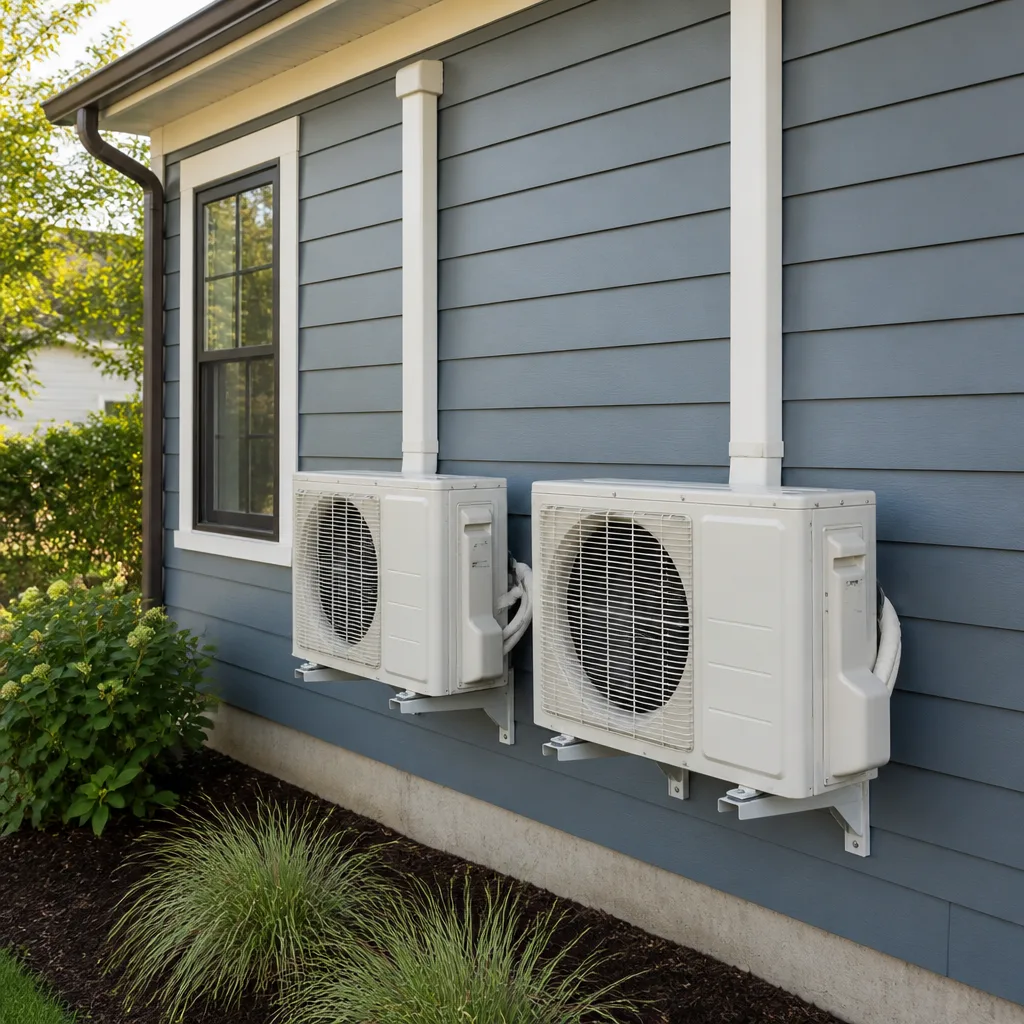 Ductless mini splits
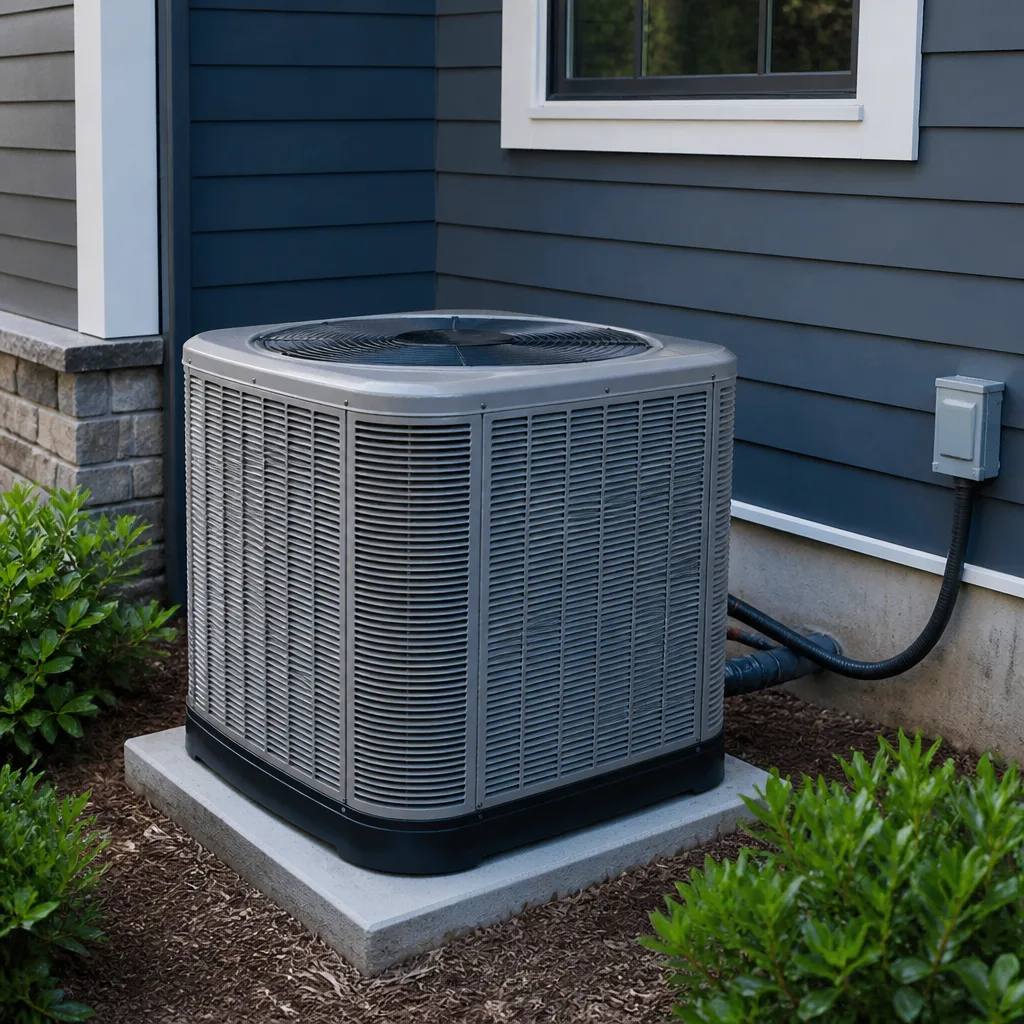 Carrier
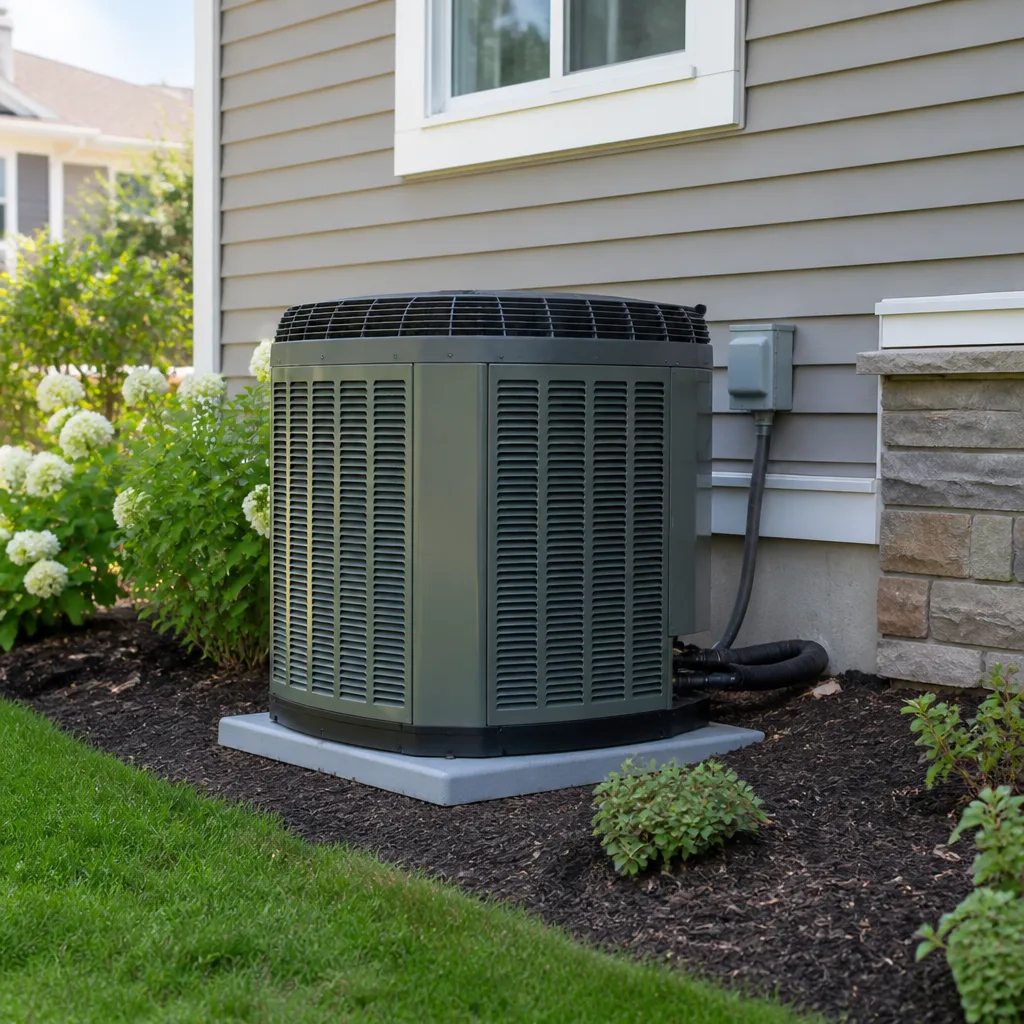 Trane
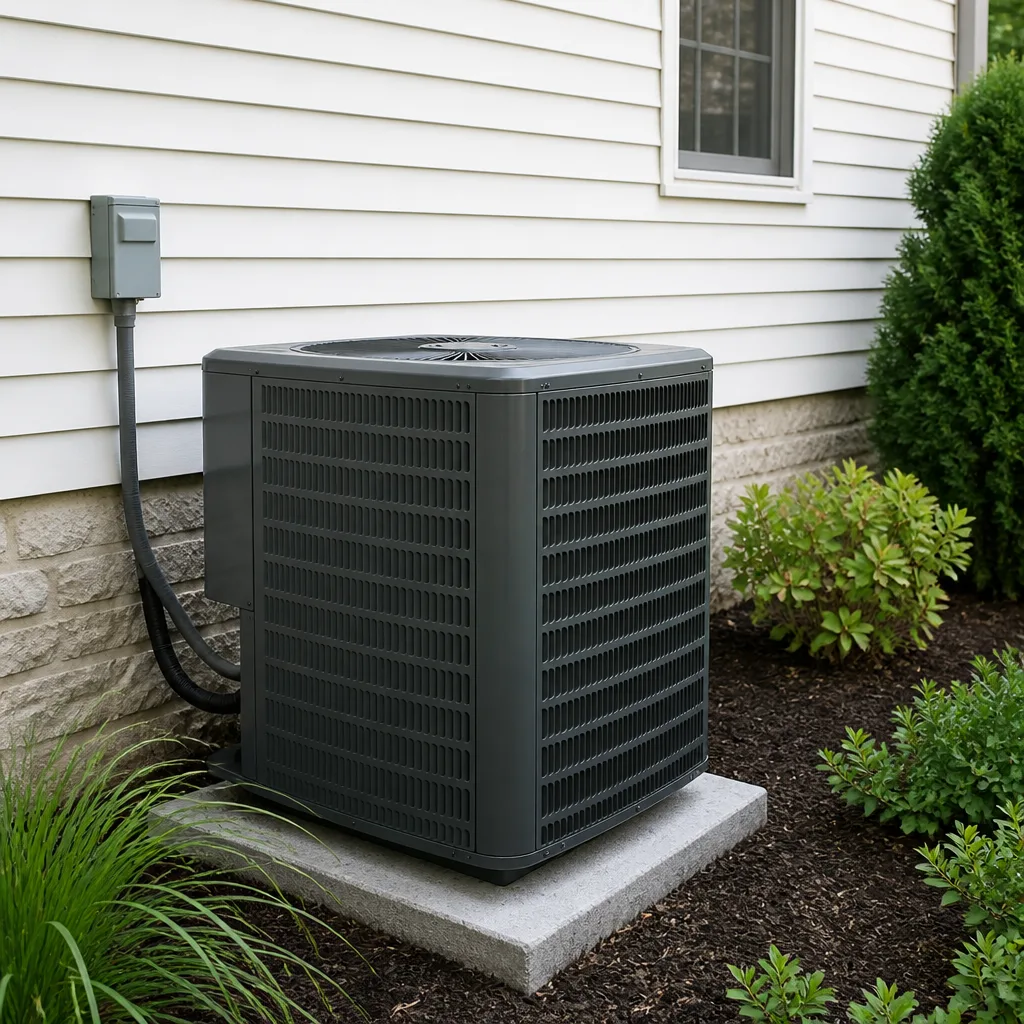 Goodman
Seasonal tune-up and full diagnostic on your Carrier, Trane, or Goodman system - readings shown to you before any repair is proposed
Diagnosis first, numbers second - you approve the repair price before a single part goes in.
Get your free estimateStyles & brands we work with
- AC repair
- Furnace & heating
- Heat pumps
- Ductless mini splits
- Carrier
- Trane
- Goodman
See the difference
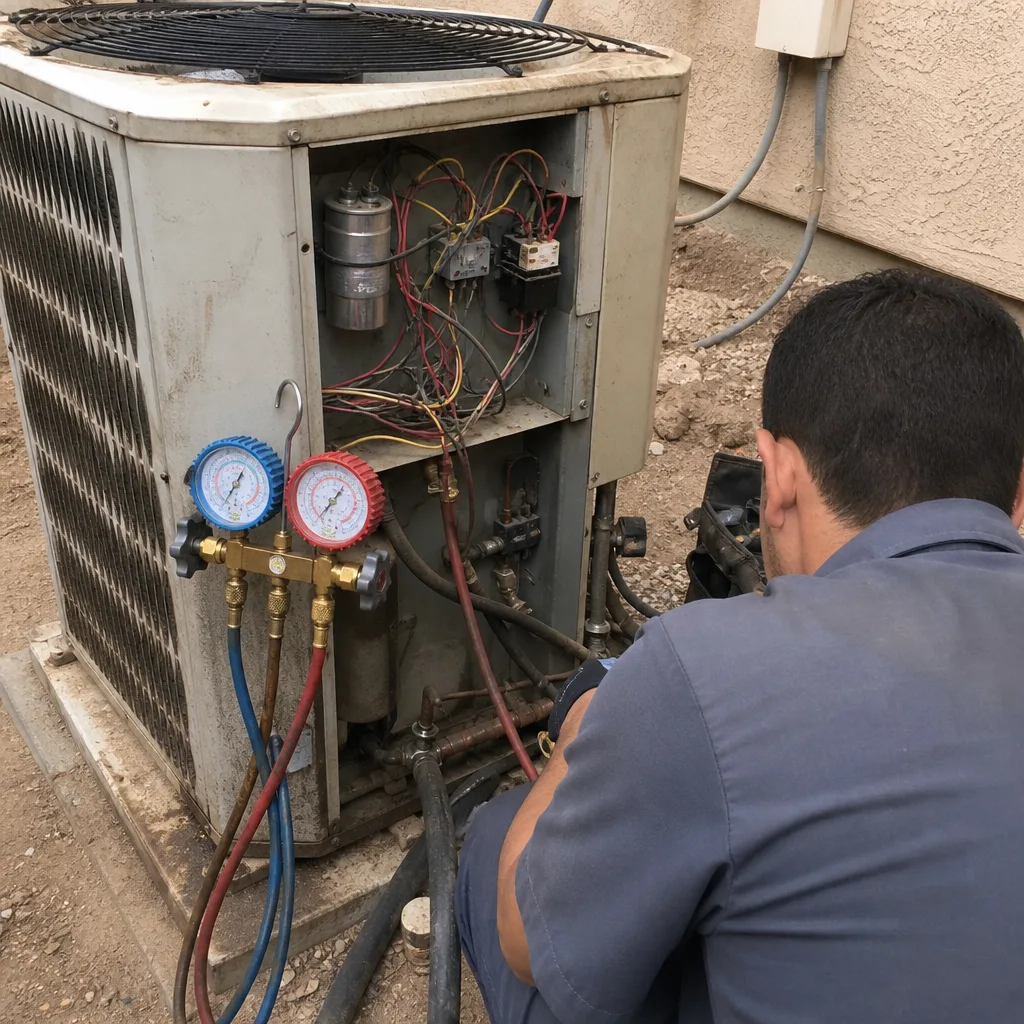 Before
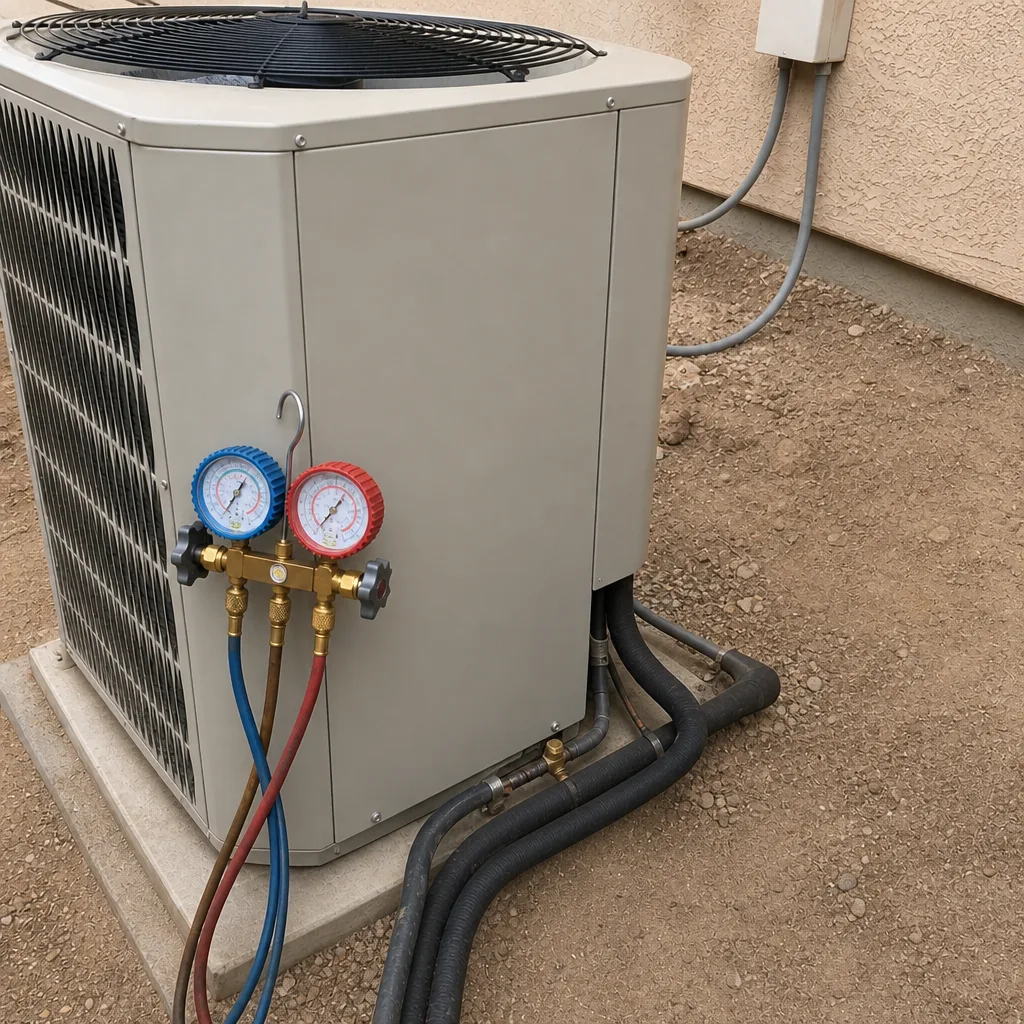 After
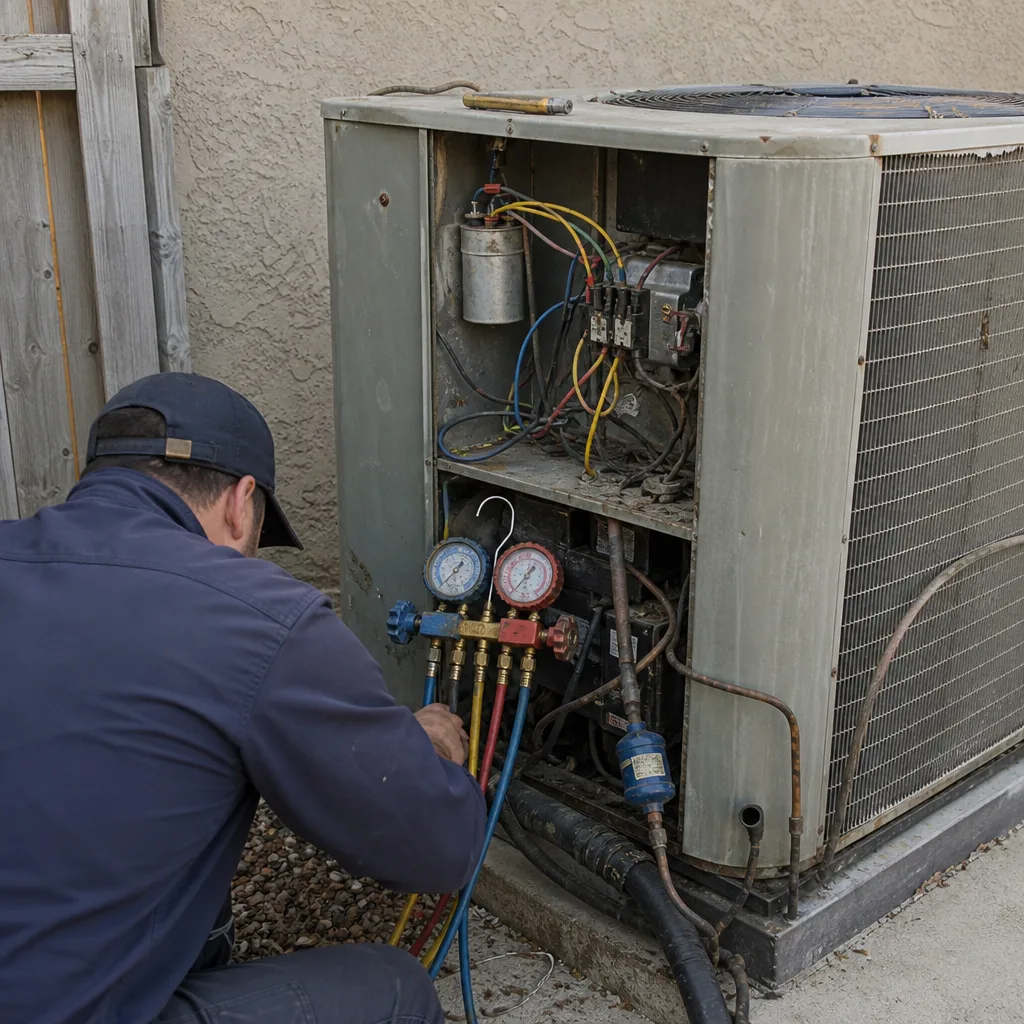 Before
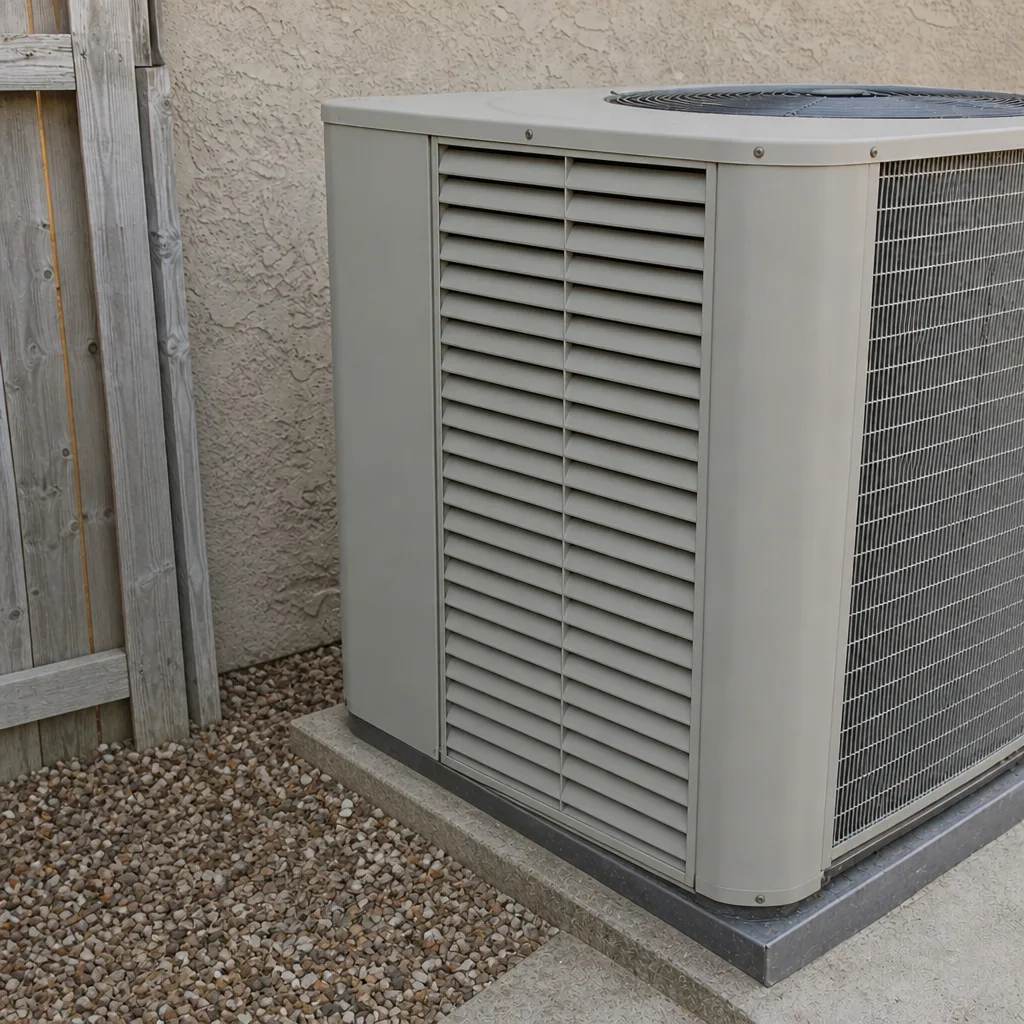 After
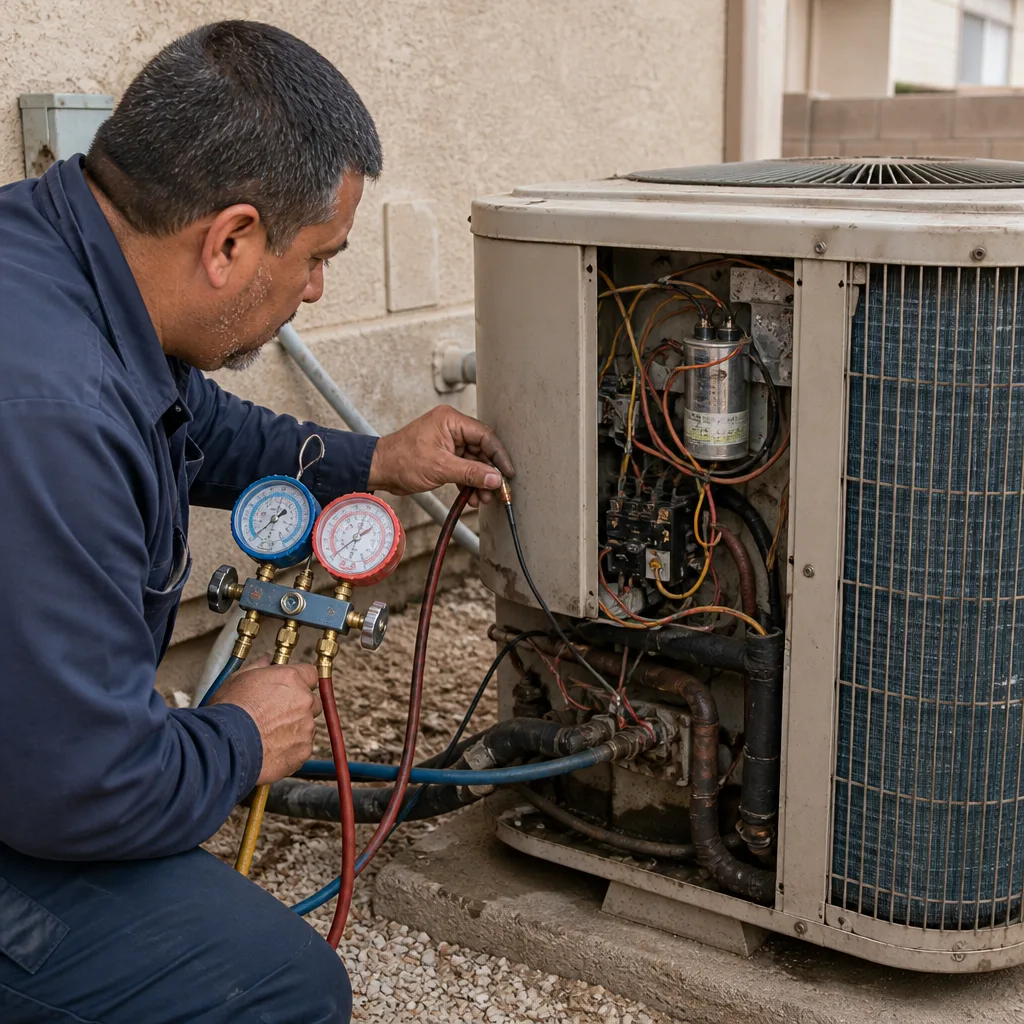 Before
 After
Heat Pump vs Furnace in Henderson, NV: Choose a Heat Pump Unless You Have a Specific Reason to Stay on Gas
For most Henderson homes, a modern variable-speed heat pump is the better choice than a gas furnace. Henderson’s coldest month averages a low of about 36°F, which is well above the temperature where a quality cold-climate heat pump starts losing efficiency, so there’s no real heating penalty to worry about here. A gas furnace in the Las Vegas Valley is essentially a $3,000 piece of equipment you run for roughly 60 days a year. The math looks very different in Henderson than it does in Denver, and it’s worth walking through before you commit either way. If you want a straight read on your own system, call Coldharbour Heating & Air Henderson at (844) 797-5122 for a free estimate.
Why the Henderson Climate Flips the Usual Heat Pump Argument
Almost every heat pump vs furnace comparison you’ll find online is written for a cold climate. The authors assume a real winter, then explain that heat pumps struggle below freezing and a furnace is the safer bet. That framing doesn’t fit Henderson.
Heating degree days measure how much heating a climate actually demands. Henderson runs roughly 2,500 heating degree days. A mid-continental city like Denver runs 6,000 or more. In plain terms, we ask a heating system to work less than half as hard as a cold-climate city does. When you buy a heat pump here, you’re paying for a machine that spends most of its life in cooling mode and shifts to heating for a short shoulder season from October through February, when highs sit in the 50s and 70s. There’s no meaningful heating-deficiency penalty because our winters never push a variable-speed heat pump to its cold-weather limit.
The counterpoint that actually matters in Henderson isn’t cold. It’s the sealed desert home. Gas combustion inside a tight, low-humidity house adds moisture and combustion byproducts to air you’re recirculating all winter. In a home built during the 1990s-2000s boom, that’s a real comfort and air-quality consideration most comparison articles skip entirely. A heat pump moves heat instead of burning fuel, so there’s no flame, no flue, and no added humidity in a house that already runs dry.
Henderson’s Duct Problem Hits Furnaces Harder Than Heat Pumps
Here’s a detail that’s specific to how homes in Henderson are actually built. Most of the suburban tract housing here is stucco-clad, single-family, tile-roof, on slab, with the air handler and ductwork sitting up in the attic. In July, those attics run well past 140°F. Duct systems that leak in that environment bleed a lot of conditioned air into a superheated space before it ever reaches your rooms.
That leakage cuts both seasons. The same ducts that leak cool air in summer leak heat in winter. Here’s the part the national articles miss: a heat pump paired with a duct-seal project recovers more of its output than a furnace does in the same leaky system. A furnace blasts hot air in short cycles and much of that heat escapes the leaky duct before it reaches the room. A heat pump runs longer, lower-temperature cycles, and sealing the ducts means more of that steady output lands where you want it. If your home is one of the many Henderson houses still running original attic ducts, get the ducts looked at alongside any equipment decision. It’s often the cheapest capacity you’ll ever buy.
The Comfort Point Nobody Mentions: Slab Floors and Tile Roofs
Desert homes lose heat quickly at night. Tile roofs and slab foundations radiate warmth away fast once the sun drops, which is why a Henderson house can feel cold inside on a 45°F morning even though the daytime high was pleasant.
A furnace tends to blast and coast. It brings the air up to temperature, shuts off, and the slab slowly pulls the chill back in. A variable-speed heat pump delivers lower-temperature, continuous heating, so slab floors stay warmer through the night instead of cycling cold and warm. Homeowners who make the switch often notice the floor comfort before they notice anything about the thermostat. It’s a quiet difference, but in a slab-on-grade house it’s the one you feel.
Heat Pump vs Furnace: Side-by-Side for a Henderson Home
| Factor | Variable-Speed Heat Pump | Gas Furnace |
|---|---|---|
| Heating demand it faces in Henderson | Short shoulder season, lows near 36°F | Same short season, but sized for a much colder climate |
| Cold-weather efficiency loss | Minimal; modern units are rated well below our lows | Not applicable (burns fuel) |
| Cooling | Handles cooling and heating from one system | Needs a separate AC |
| Air quality in a sealed home | No combustion, no added humidity | Combustion byproducts and added moisture in winter |
| Duct leakage interaction | Long, low cycles recover more output through sealed ducts | Short hot blasts lose more to attic leaks |
| Nighttime slab-floor comfort | Continuous low heat keeps floors warmer | Blast-and-coast cycles leave floors colder |
The recommendation: choose a variable-speed heat pump unless your home has a specific constraint that makes it impractical (most often an old electrical panel, covered below) or you already have a relatively new furnace you’re happy to keep running. In Henderson, a heat pump is the dominant-use case with no meaningful heating penalty.
Which Heat Pump Brands Fit a Henderson Home?
Carrier, Trane, Daikin, and Lennox all make variable-speed heat pumps rated for the full Henderson climate, and each has its own strengths. The honest answer to “which brand” depends on what’s already in your home, not on which brand a company wants to sell you. Our technicians have up to 23 years of experience and are trained to service nine major residential HVAC brands, including Carrier, Trane, Lennox, Goodman, Rheem, York, Daikin, Bryant, and American Standard. That breadth matters: a technician who knows all nine platforms can tell you which heat pump fits the ductwork, thermostat, and electrical setup already in your house without steering you toward one brand’s upgrade path. See our Heat Pump & Mini Split in Henderson page for equipment options.
The One Honest Limitation: Your Electrical Panel
Plenty of Henderson homes built in the 1990s still have their original 100-amp electric panel. A variable-speed heat pump draws more current than a gas furnace plus a standard AC, and a 100-amp panel may not have the capacity for it. We’ll say it plainly: you might need a panel upgrade before a heat pump install, and that’s an added cost of roughly $1,500-$3,500 depending on what the panel needs. It’s a real number and we won’t surprise you with it after the fact. A written price comes before any work begins, so you’ll see the full picture up front.
How a heat pump install works with us
- Assessment. We check your existing ductwork, electrical service, and current equipment, and confirm whether the panel can carry a heat pump.
- Load calculation. We size the system to your home, not to the old equipment. In our heat, correct sizing and load matter more here than in most markets.
- Written price. You get a firm price before any tools come out. It doesn’t change at the door.
- Install and guarantee. Every job is covered by our 365-Day Done Right Promise, written on paper. If a repair fails within 365 days, we come back and fix it at no charge.
For more on our full range of work, visit our home page.
Key takeaways
- Henderson’s roughly 2,500 heating degree days mean a heat pump faces a light heating load here, not a brutal one.
- A gas furnace is about $3,000 of equipment run roughly 60 days a year in the Las Vegas Valley.
- Attic ducts that leak in summer also leak in winter, and a heat pump recovers more output through sealed ducts than a furnace does.
- Continuous low heat keeps slab floors warmer overnight than a furnace’s blast-and-coast cycles.
- Check your electrical panel before committing. A 100-amp panel may need an upgrade of about $1,500-$3,500.
FAQs
A variable-speed heat pump is generally the better choice in Henderson because our mild winters never push it past its efficient range, and it also handles your cooling. You only fall back to a furnace if you have a specific constraint like an undersized electrical panel or a nearly new furnace worth keeping.
A heat pump installation in Henderson typically runs within our AC installation range of $3,500-$7,500, and a panel upgrade, if needed, can add roughly $1,500-$3,500. Call (844) 797-5122 for an exact quote. Estimates are free.
Not always, but many Henderson homes built in the 1990s still have 100-amp service that may not carry a heat pump, so it’s worth checking first. We look at your panel during the assessment and tell you before you commit. Call (844) 797-5122 and we’ll walk you through it.
Yes. Henderson’s January lows average about 36°F, which is above the point where a modern variable-speed heat pump loses efficiency, so it heats fine. Continuous low-temperature output actually keeps slab floors warmer overnight than a furnace’s short, hot cycles.
If you’d rather have it looked at, Coldharbour Heating & Air Henderson offers a no-pressure assessment in Henderson - call (844) 797-5122. We’ll check your ducts, your panel, and your current system, then give you a written price before anything starts.
Written by the team at Coldharbour Heating & Air Henderson, serving Henderson, NV.