
Last updated November 17, 2026
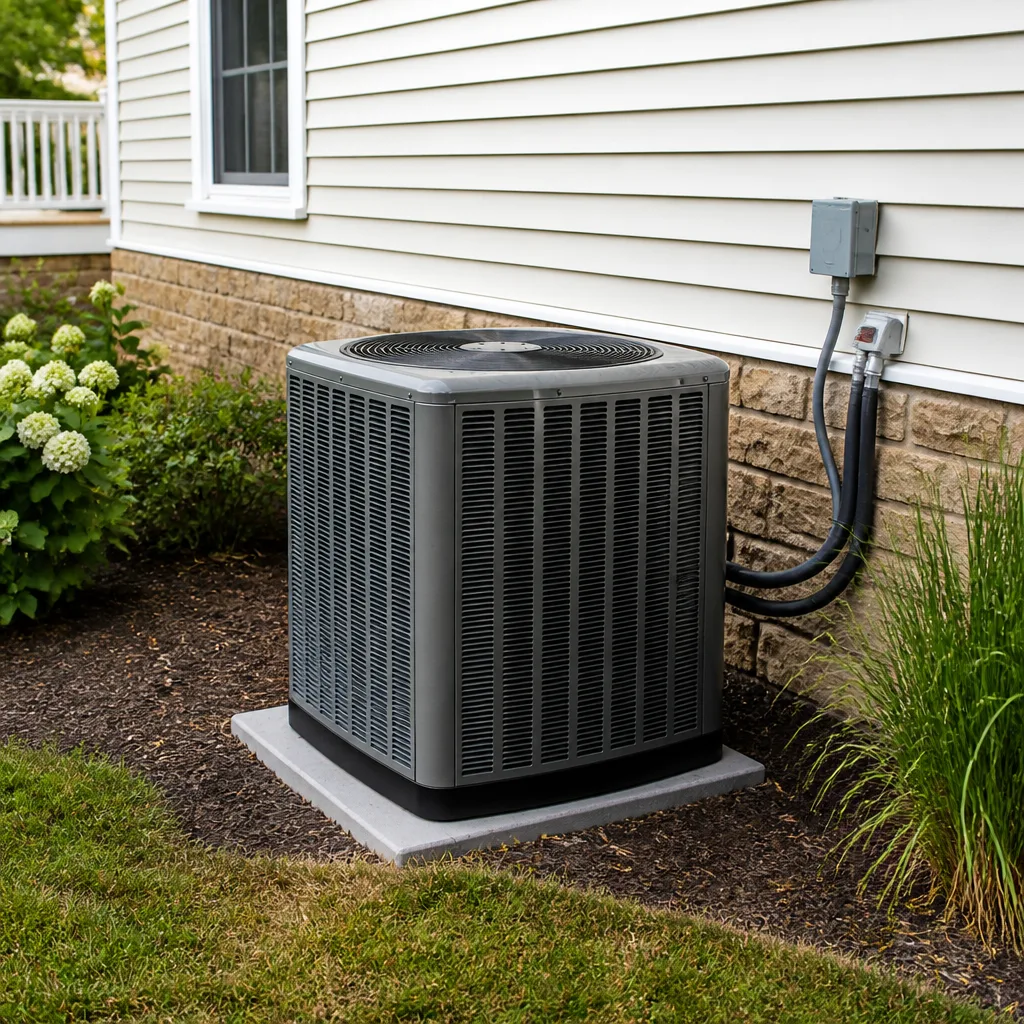 AC repair
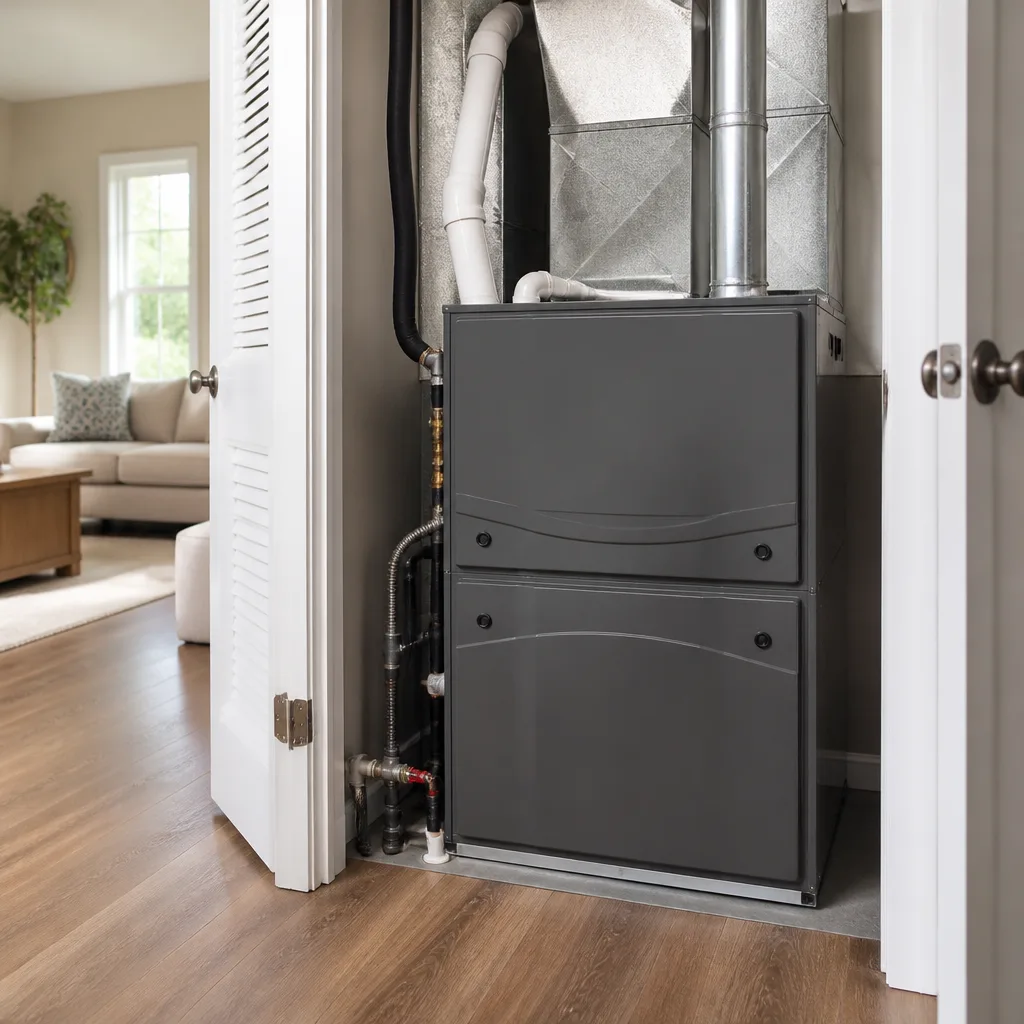 Furnace & heating
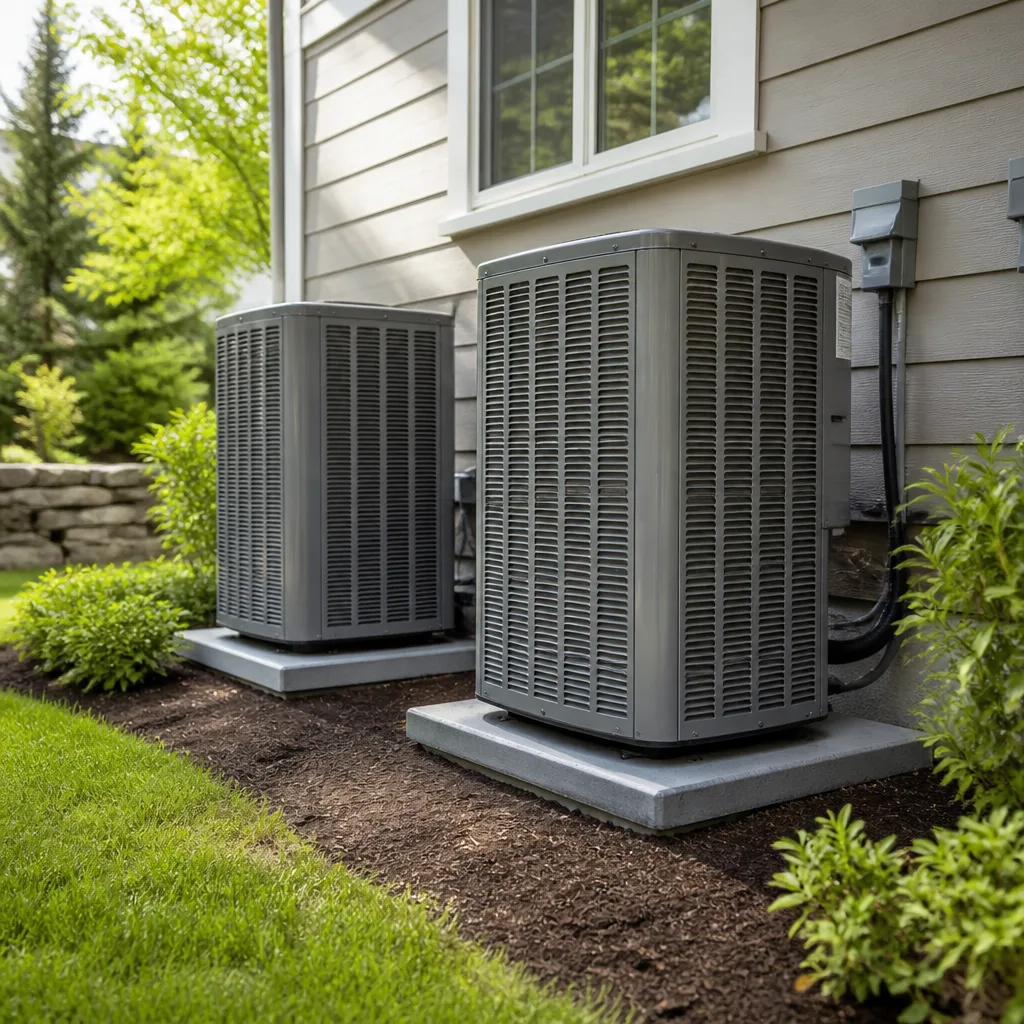 Heat pumps
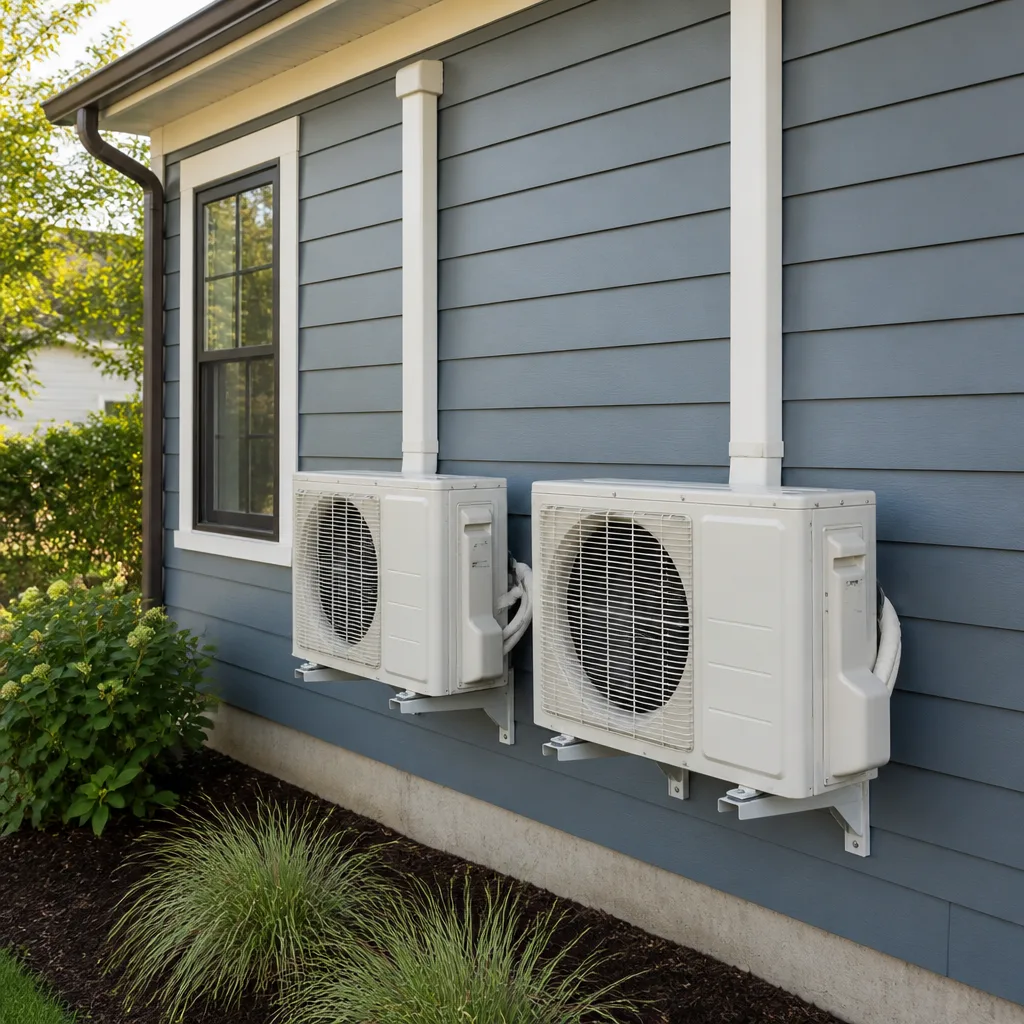 Ductless mini splits
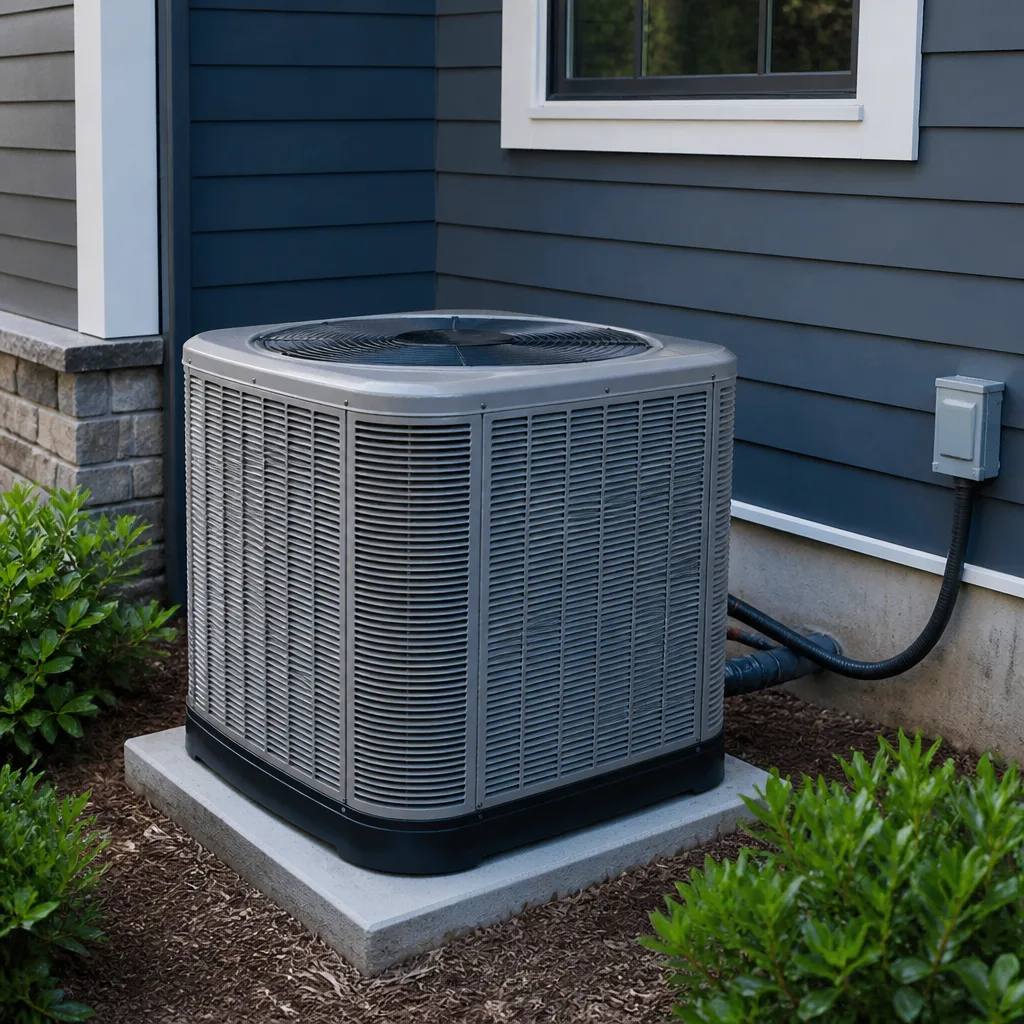 Carrier
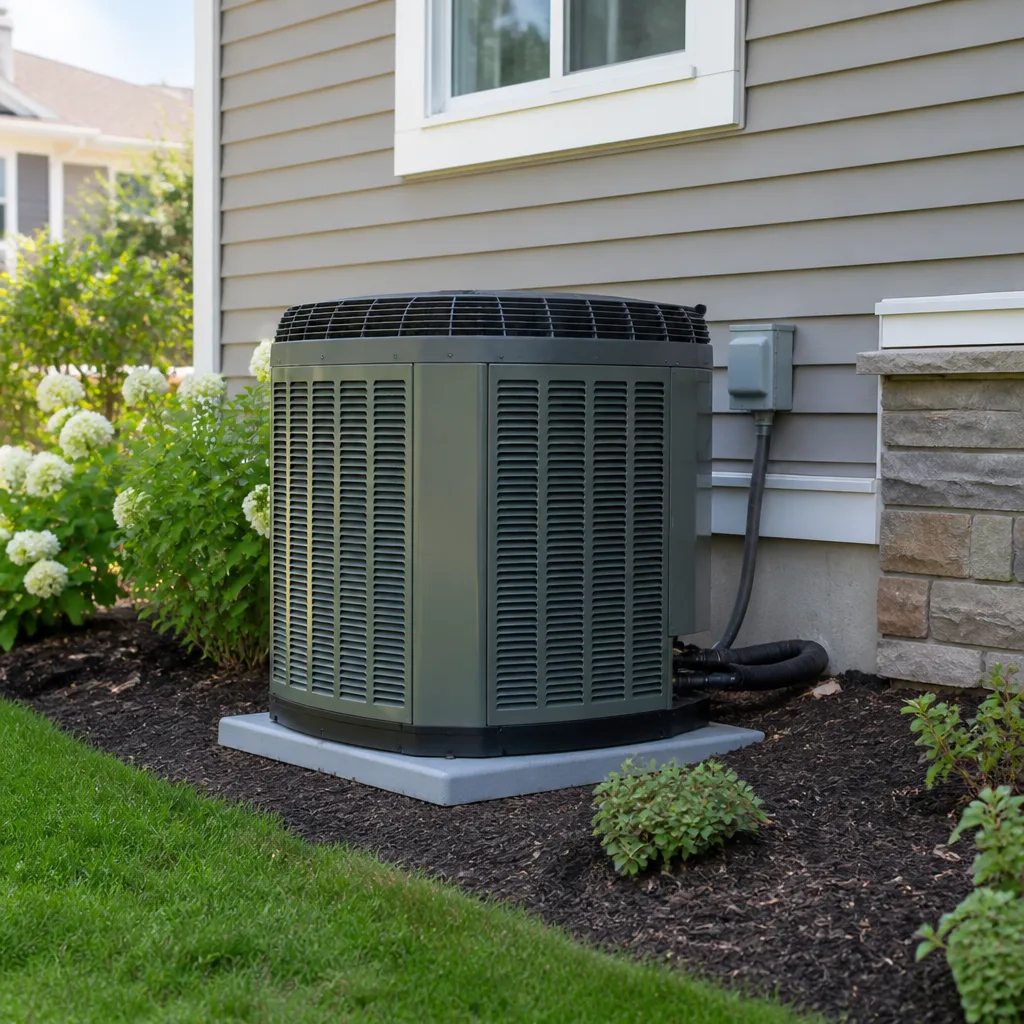 Trane
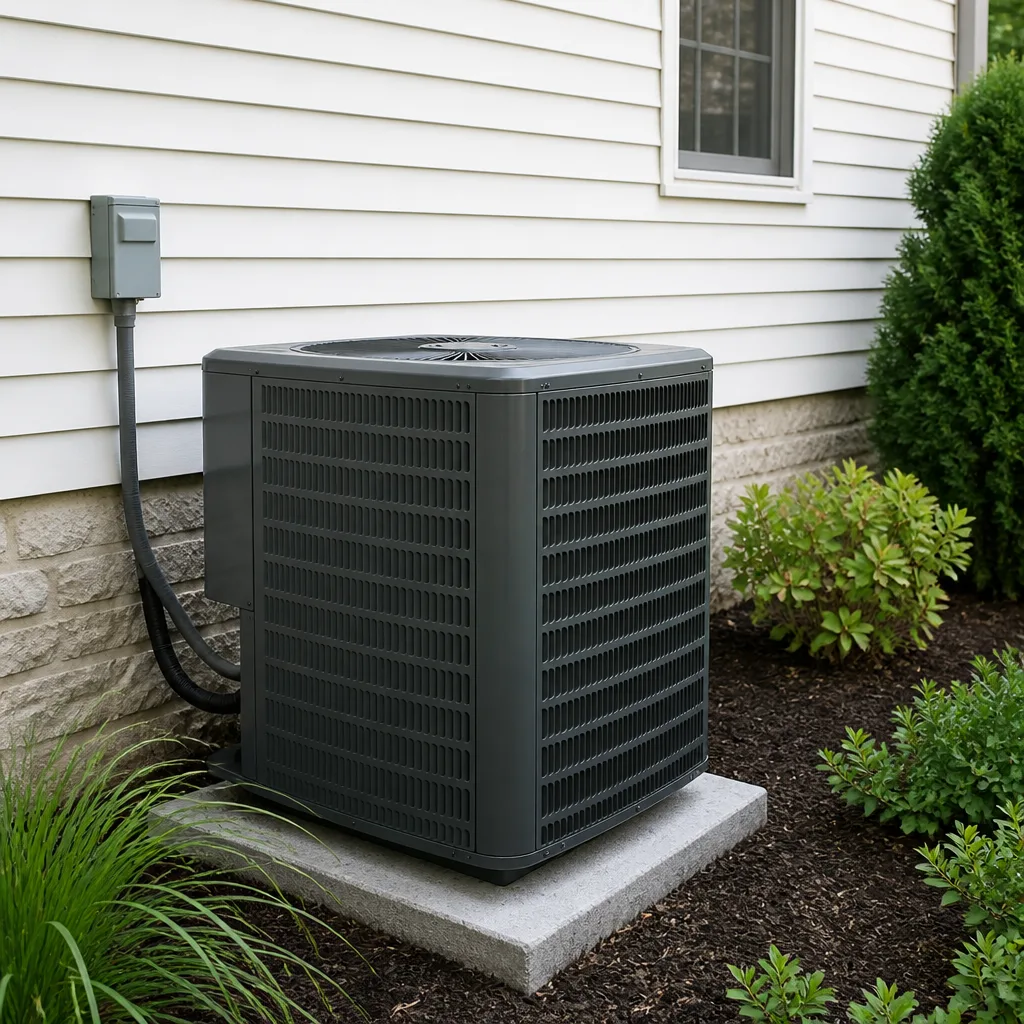 Goodman
Seasonal tune-up and full diagnostic on your Carrier, Trane, or Goodman system - readings shown to you before any repair is proposed
Diagnosis first, numbers second - you approve the repair price before a single part goes in.
Get your free estimateChoosing the Right HVAC Brand: A Buyer’s Guide for Henderson
Three of the most heavily marketed HVAC brands in Henderson are built at the same two plants in Tennessee and Mexico. They share most internal components. What separates them is warranty language, dealer markup, and the color of the cabinet. The industry doesn’t advertise this. A brand nameplate feels like a decision about quality; often it’s a decision about paperwork. This guide walks through what actually differs between brands, what’s just marketing, how manufacturer families relate to each other, and how to weigh NV Energy rebates when the equipment you want has to qualify. You’ll learn which questions separate a good installation from a bad one, and why the contractor standing in your garage matters more than the logo on your condenser.
Quick Answer
The best HVAC brand for a Henderson home is the one a qualified local contractor is factory-trained to install and service, sold with a 10-year registered parts warranty, backed by a next-day parts network for Clark County, and available in a model that qualifies for NV Energy rebates. Contractor quality drives system lifespan more than the brand name. Choose the installer first, then the equipment.
Styles & brands we work with
- AC repair
- Furnace & heating
- Heat pumps
- Ductless mini splits
- Carrier
- Trane
- Goodman
Table of Contents
- Which Brands Are Actually the Same Brand?
- Parts Availability in Clark County: Why It Matters in a Desert
- What HVAC Warranty Language Actually Means
- Why Your Contractor’s Factory Training Beats Any Ranking
- How to Weigh NV Energy Rebates When Choosing a Brand
- Seven Steps to Choosing a Brand for Your Henderson Home
- Common Mistakes to Avoid
- Frequently Asked Questions
Which Brands Are Actually the Same Brand?
The HVAC industry consolidates manufacturing under a handful of corporate umbrellas. Carrier Global owns Carrier, Bryant, and the ICP family, which includes Heil, Tempstar, Comfortmaker, and Day & Night. Trane Technologies owns Trane and American Standard, which share cabinet platforms and many internal parts. Daikin owns Goodman and Amana, and manufactures compressors through its own supply chain. York sits under Johnson Controls, alongside Coleman and Luxaire.
What this means for a Henderson homeowner: a Bryant system and a Carrier system at similar efficiency tiers may share a compressor, a control board, and a cabinet stamping. The differences that matter are warranty terms, dealer pricing, and model line availability in this market. American Standard and Trane systems work the same way on a repair; what differs is what you paid and what the fine print says.
That doesn’t mean all brands are equal. There are genuine differences worth paying for:
- Compressor design. Some brands use scroll compressors with fewer moving parts; others still use reciprocating designs at the entry tier. Ask which one is inside the model you’re quoted.
- Coil construction. In Henderson’s hard water and dust-heavy air, coil material and fin coating matter more than the badge on the door.
- Communicating controls. Premium tiers from Trane, American Standard, Carrier, and Daikin support communicating systems that adjust in finer steps and run quieter. Entry tiers from any brand don’t.
- Parts distribution contracts. A brand with a warehouse relationship in Las Vegas gets you a compressor in a day. A brand without one leaves you waiting on freight.
If someone pitches you on the “best brand” without talking about which model tier, what warranty registration steps apply, and which distributor supplies Clark County, that pitch is marketing, not engineering.
Parts Availability in Clark County: Why It Matters in a Desert
Here’s a fact most brand comparisons skip: in Henderson, an AC that sits broken for five days in July isn’t a warranty problem, it’s a health problem. Indoor temperatures in a Henderson home with a failed condenser routinely hit 95°F by afternoon. The desert climate doesn’t just make comfort harder, it shortens equipment life. Systems here run more hours per year than in most of the country, and dust loading on coils adds strain. When a part fails, speed of replacement decides how the next week goes.
Parts availability breaks down into two layers:
- Local distribution. Major brands maintain parts depots in the Las Vegas valley. York, Daikin, Carrier, and Trane all have distribution relationships that can put common parts (capacitors, contactors, control boards, blower motors) in a technician’s hands same day or next day. Rare parts, like a specific condenser fan motor or a communicating thermostat, may take longer.
- Contractor relationships. Even a well-distributed brand can be slow for a contractor without an account at the local supply house. If your installer doesn’t regularly buy from the distributor that stocks your brand, you’re relying on retail parts channels, which adds days.
We’ve seen Henderson homeowners wait a week for a compressor because the installing contractor used a brand with no local stock and ordered the part through a generic online supplier. The part arrived, but the homeowner spent six nights in a hot house. That’s a brand choice that failed on distribution, not on quality.
When you get a quote, ask this: “Which local distributor stocks parts for this brand, and if my blower motor fails in August, how fast can you get one?” A contractor who can answer without checking is a contractor with real local supply relationships. For a deeper look at how quickly repair work can reasonably move in this climate, see our page on AC Repair in Henderson.
What HVAC Warranty Language Actually Means
A “10-year parts warranty” sounds like ten years of covered repairs. It isn’t. It’s ten years of covered parts, provided you registered the equipment after installation and performed required maintenance. Labor is almost always separate and usually covered for one year, sometimes two. When a compressor fails in year eight, here’s what the typical warranty actually delivers: a replacement compressor part, free of charge, plus a labor bill for the swap, which in Henderson runs $600 – $1,200 depending on system size and access. Refrigerant is usually not covered either.
Three things determine what a warranty is actually worth to you:
- Registration. Most manufacturers give 10 years of parts coverage only if the equipment is registered online within 60 days of installation. Skip that step and the warranty may default to 5 years. Ask the contractor who registers it, and get confirmation in writing.
- Maintenance requirements. Many brands require documented annual maintenance to keep the parts warranty valid. If you skip a tune-up, a compressor claim can be denied. Keep the invoices.
- Compressor-specific clauses. Some brands extend a separate, longer compressor warranty (lifetime on certain premium models). Those clauses are real but conditional; read them before you buy.
Warranty terms also differ by brand more than cabinet color does. Bryant and Carrier warranties at the same tier are often nearly identical in structure. American Standard and Trane follow similar patterns. Daikin and Goodman tend to offer competitive parts coverage at lower price points. A Goodman system isn’t a worse compressor than a Trane system. It’s a different warranty structure and a different price point.
What matters most is whether your installer backs the repair itself. A manufacturer’s warranty covers the part; a contractor’s own guarantee covers the work. That’s why we issue a written 365-Day Done Right Promise on every repair and hand it over before the technician leaves. If the repair fails inside that year, we come back at no charge, whether or not the manufacturer covers the part. You can see what that looks like on our Furnace Repair in Henderson page, where the same guarantee applies to heating work.
Why Your Contractor’s Factory Training Beats Any Ranking
Consumer reports and magazine rankings have their place, but they don’t tell you what happens when a compressor won’t start in a Henderson attic in August at 4 p.m. That answer depends on whether the contractor standing in front of you has the training, tools, and diagnostics for your specific brand.
Here’s how to ask a contractor about factory certification without sounding like you’re interrogating them:
- “Which brands are you factory-certified to service?” Every major brand has a certification ladder (Carrier Factory Authorized Dealer, Trane Comfort Specialist, Daikin Comfort Pro, etc.). The certification means access to brand-specific training and diagnostic software.
- “Do you have the service tools for the communicating systems?” Premium brands use proprietary diagnostic tools. A contractor without the tool can’t fully diagnose a communicating system.
- “What brands do you install most?” Volume drives skill. A contractor who installs mostly American Standard will know that equipment cold.
- “Can you get a same-day answer on a warranty claim?” Brand-authorized dealers can call manufacturer technical support directly. Independent contractors without dealer status rely on retail hotlines.
The brands a contractor is trained on matters because HVAC components are proprietary. A technician who only works on Trane and American Standard can’t casually diagnose a Daikin communicating board without training. It’s not that the Daikin is worse; it’s that the technician’s knowledge is narrower.
Our technicians are trained to service nine major brands: Carrier, Trane, Lennox, Goodman, Rheem, York, Daikin, Bryant, and American Standard. That’s why the technician who arrives at a Henderson home can work on whatever system is already there, regardless of what brand the homeowner picked before. Some have up to 23 years of experience in desert-climate systems. To see how that plays out when installing new equipment, our page on AC Installation in Henderson covers load calculations, permit timelines, and what to expect on install day.
How to Weigh NV Energy Rebates When Choosing a Brand
NV Energy’s residential equipment rebate program is one of the few places a homeowner can get cash back for choosing higher-efficiency equipment. The catch: rebates are tied to specific SEER2 thresholds, and not every brand has qualifying models at every price point. A brand’s entry-tier system may miss the threshold; its mid-tier may hit it. That changes the true cost of choosing brand X over brand Y.
Here’s how to weigh it:
- Find the current threshold. NV Energy publishes rebate tiers by SEER2 rating for air conditioners and heat pumps. Quantities and amounts change; check the current program sheet rather than an old blog post.
- Get the SEER2 rating, not SEER. The old SEER rating on a spec sheet doesn’t tell you what rebate tier you’re in. Ask for SEER2.
- Compare qualifying models across two or three brands. A Trane qualifying unit at SEER2 16 and a Bryant qualifying unit at SEER2 16 may pay the same rebate; which one costs less installed matters more.
- Add the rebate to the comparison on a calendar. Rebate amounts vary based on program year. A $600 rebate on a $9,000 install is a 6.6% cost reduction; on a $6,500 install it’s 9.2%.
- Confirm the contractor will file it. Some contractors file rebate paperwork for you; others don’t. Ask before you sign, and get it in writing.
In Henderson, where summer cooling load dominates the energy bill, choosing a qualifying SEER2 model can matter more than the brand nameplate. Two similar systems with different ratings can differ by $30 – $60 per month in July and August.
Seven Steps to Choosing a Brand for Your Henderson Home
Here’s a sequence that produces a real answer instead of a guess.
- Start with the contractor, not the brand. Get quotes from two or three contractors who hold factory certification for at least three brands. Ask each to explain the difference between their top two brand options in plain language. The contractor who can articulate it is the one who understands the equipment.
- Calculate your cooling load for real. A proper quote includes a Manual J load calculation based on your Henderson home’s square footage, window orientation, insulation, and the desert’s design temperature. A quote that doesn’t include one isn’t a quote, it’s a guess. A brand doesn’t matter if the system is oversized or undersized.
- Pick the model tier, then the brand. Every brand sells a builder-grade, mid-tier, and premium line. A mid-tier Carrier often outperforms a builder-grade Trane for the same money. Compare within tiers, not across them.
- Check SEER2 against the NV Energy rebate threshold. Only the qualifying models get the rebate. Build the rebate into your cost comparison.
- Look up local parts distribution for your top two brands. Call the local supply house and ask if they stock the model. Contractors may not tell you if they don’t have a relationship; the supply house will.
- Ask about warranty registration and maintenance requirements. Get written confirmation that registration will be filed and what the maintenance schedule requires.
- Get the written price and the written guarantee before work starts. Both should be on paper before the technician opens a tool bag. That’s not a premium upgrade, it’s a standard. That’s how we run every job, and you can read more on the Coldharbour Heating & Air Henderson home page.
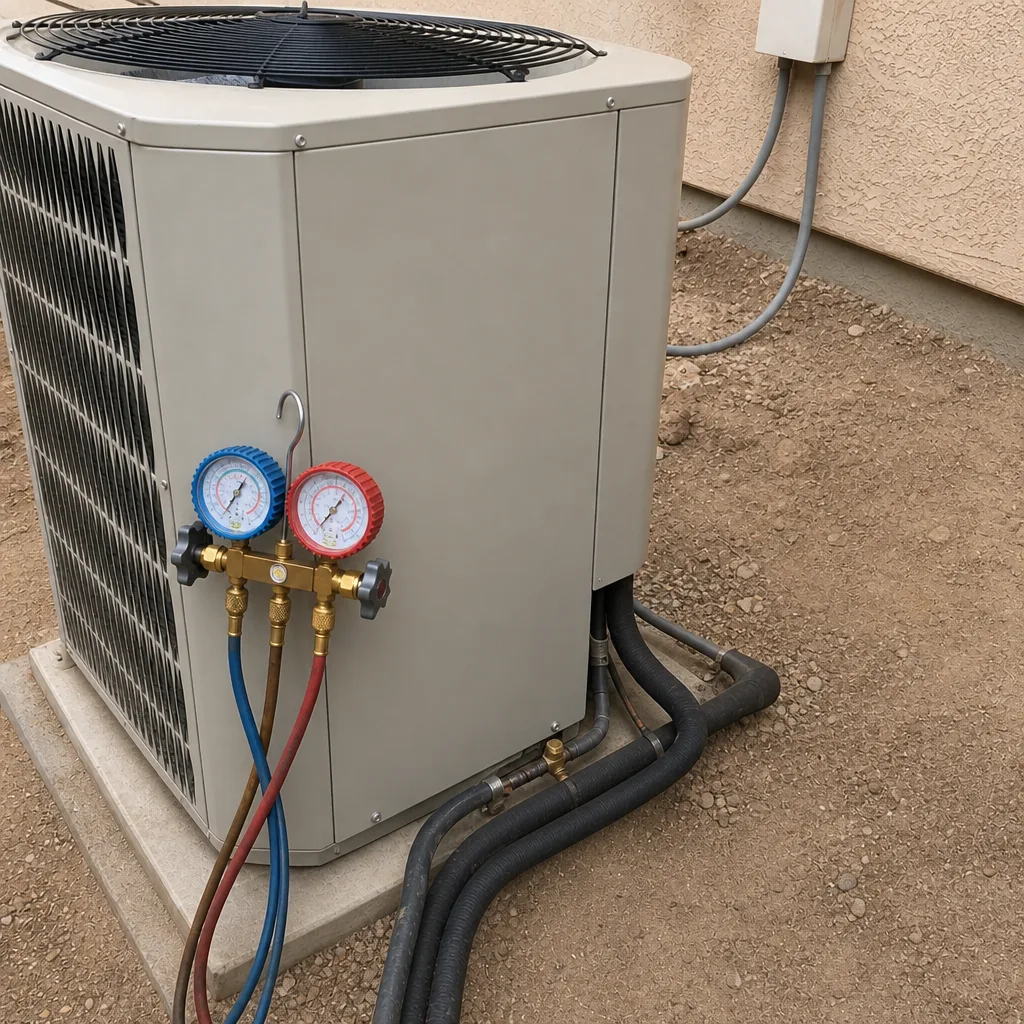
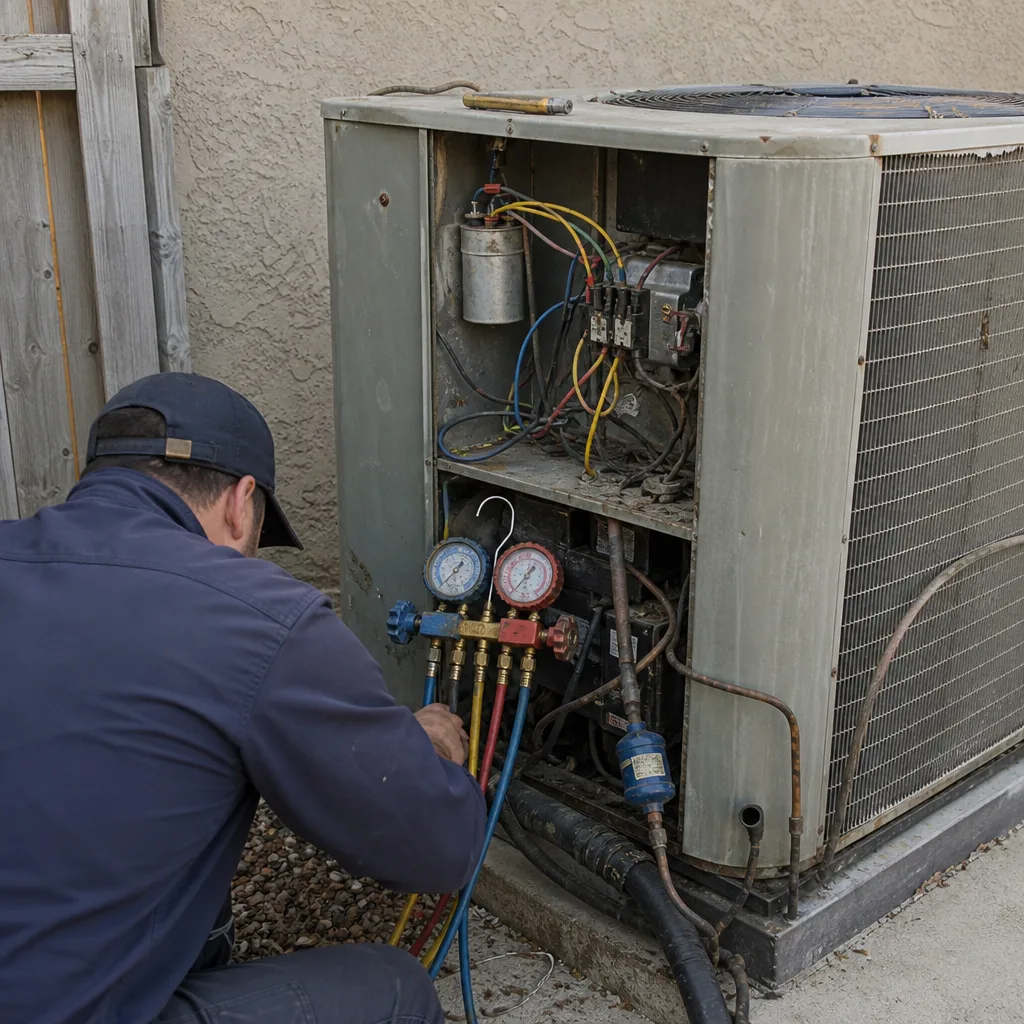
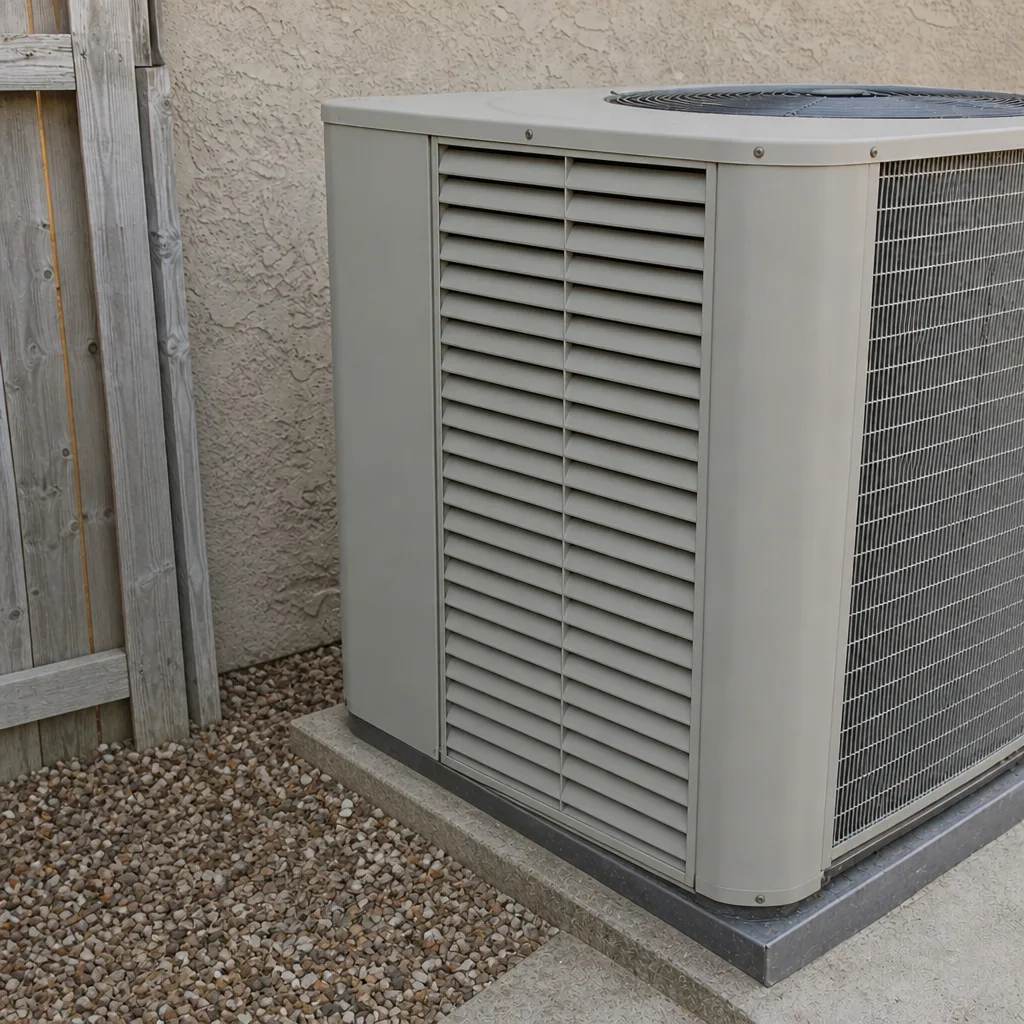
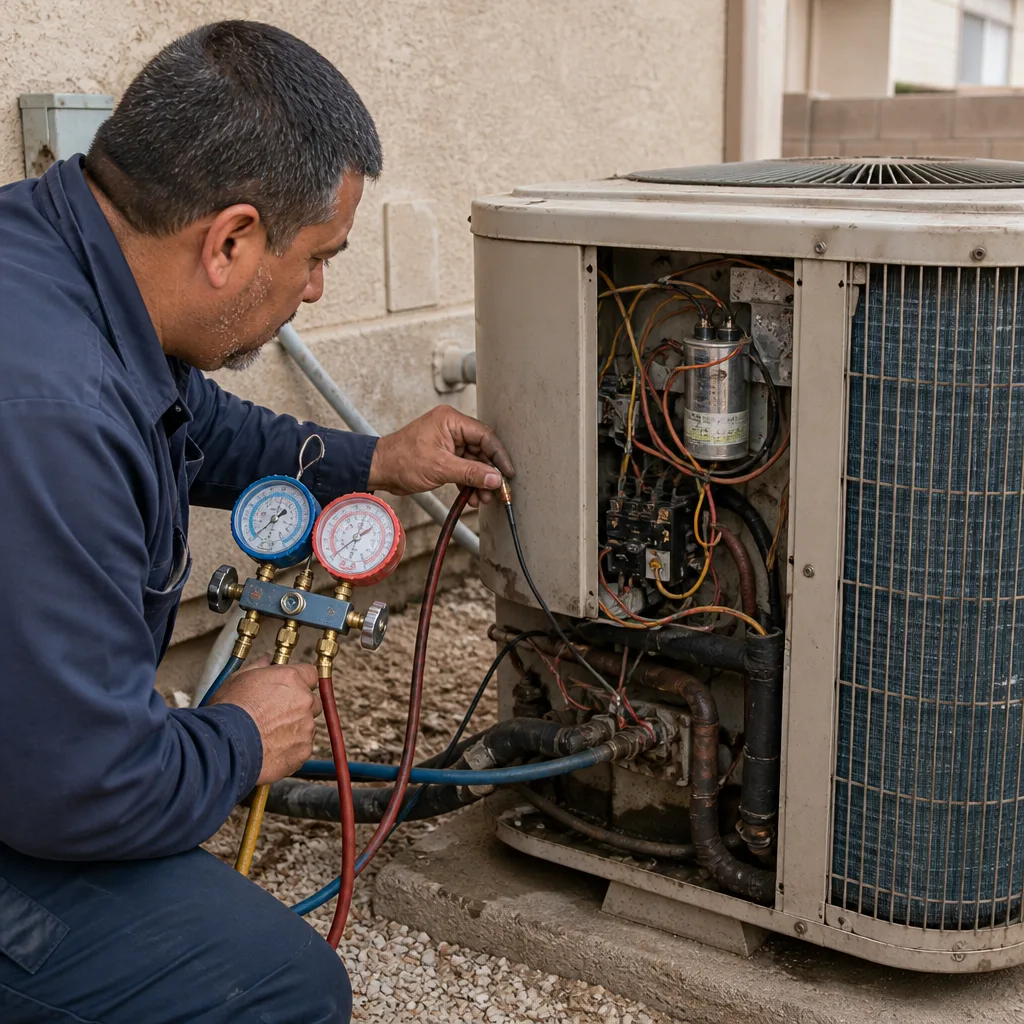
See the difference
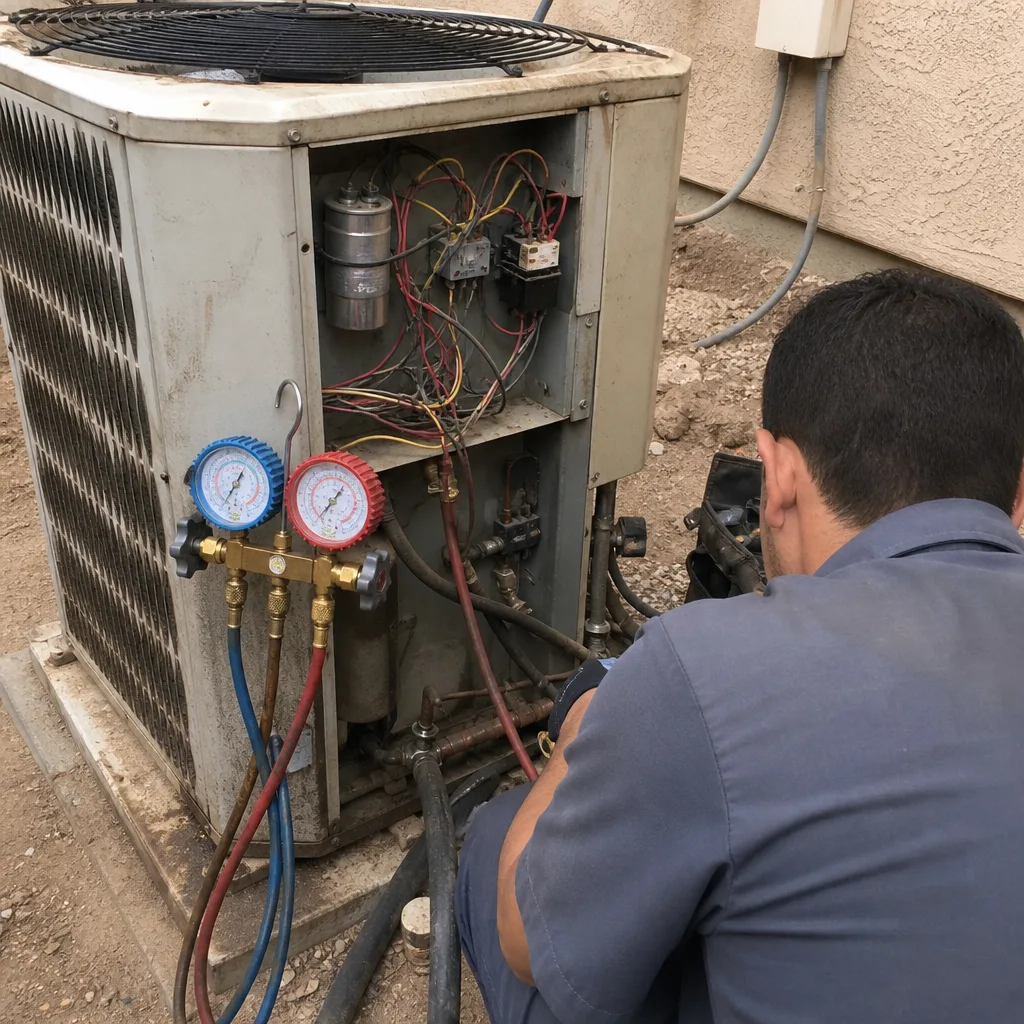 Before
 After
 Before
 After
 Before
 After
Common Mistakes to Avoid
- Choosng the brand before the installer. Two contractors installing the same Carrier system can produce systems that last 8 years and 18 years. The installation quality (line-set sizing, evacuation, charge verification, airflow measured and adjusted) drives lifespan more than the nameplate.
- Comparing SEER numbers instead of SEER2. Old ratings and new ratings aren’t interchangeable. A quote using the old SEER spec is using outdated comparisons, which in Henderson can also mean missing a rebate threshold.
- Trusting a “10-year warranty” without reading the conditions. Registration deadlines, maintenance requirements, and labor exclusions all change what you actually collect. In Henderson, where labor for a compressor swap can run over $1,000, labor coverage matters.
- Ignoring the parts network. A brand with no local distribution becomes a five-day outage in July. Ask before you buy.
- Assuming premium tier is always better. A premium system with poor duct work or an undersized return will underperform a mid-tier system installed correctly. Load calculation and duct sizing come first.
- Skipping the Manual J. A quote based on “one ton per 500 square feet” is a rule of thumb for a different climate. Henderson design temperatures require real calculation.
- Not asking who files the rebate. If the contractor won’t file, you’re responsible for it, and the program window may close before you get around to it.
When to Call a Professional
There are situations where brand research can wait, and situations where it can’t. If your current system is more than 12 years old and has needed two or more repairs in the last year, you’re past the brand question and into the replacement question. If a compressor fails, a control board burns out, or refrigerant leaks recur, that’s a call now, not next month. Henderson summers don’t give homeowners a grace period; a failed AC becomes an indoor temperature problem fast. Refrigerant work, electrical panel connections, and gas line connections behind a furnace all carry genuine safety risk and require a trained, licensed professional. Don’t attempt them yourself.
Coldharbour Heating & Air Henderson offers free estimates in Henderson. Estimates include a written price and a written explanation of what’s driving the recommendation, before any work starts. Phones are answered by a live person around the clock. Call (844) 797-5122.
Frequently Asked Questions
Reliability in Henderson depends on installation quality, duct sizing, and maintenance more than brand alone. Across the major brands we service, including Carrier, Trane, Lennox, Goodman, Rheem, York, Daikin, Bryant, and American Standard, a well-installed mid-tier system outlasts a poorly installed premium one. Pick the installer first, then the model tier, then the brand.
Bryant and Carrier share manufacturing platforms and many internal components, including compressors and control boards, at comparable model tiers. The differences are in warranty terms, dealer pricing, and model line availability. For a Henderson homeowner, the practical difference is usually the installed price and the warranty paperwork, not the equipment.
Generally no. Most 10-year parts warranties cover the replacement part, not the labor to install it, and labor typically falls under a separate 1 – 2 year contractor labor warranty. When a compressor fails in year eight in Henderson, expect the part covered and a labor bill in the $600 – $1,200 range. Ask your contractor exactly what their labor warranty covers before you sign.
Ask for the model’s SEER2 rating and compare it against the current NV Energy rebate tier for air conditioners or heat pumps. Not every model in a brand’s lineup qualifies at every price point, so two brands can offer different rebate amounts for similarly priced systems. Ask the contractor to confirm the rebate amount and that they’ll file the paperwork.
Common parts like capacitors, contactors, and control boards can often be sourced same day or next day from local Las Vegas valley distributors for brands with established local supply. Compressors and specialty motors may take several days. Before you buy a system, ask which local distributor stocks parts for that brand.
Not necessarily. Factory certification matters for proprietary diagnostics on premium systems, and brand-specific training matters for anything outside common repairs. Ask a contractor which brands they’re factory-certified to service before buying a system they may not be trained on. Our technicians are trained to service nine major brands, and for a free estimate call (844) 797-5122.
The Bottom Line
The HVAC brand nameplate matters, but less than the industry suggests. Brand families hide shared manufacturing. Lifespan depends more on the installing contractor’s setup quality than on the cabinet stamping. What brand actually determines is warranty language, model availability at your price point, parts distribution in Clark County, and whether your contractor has factory training for it. Choose the installer, verify their certifications, compare within model tiers, check SEER2 against the NV Energy rebate threshold, and get the price and guarantee in writing. That order produces the right answer in Henderson, and it holds up in year six when a part fails and speed of service matters more than a logo.
For help weighing brands for your Henderson home, call (844) 797-5122. We’ll walk through the options, provide a written price before any work starts, and back every repair with the 365-Day Done Right Promise.
Written by the team at Coldharbour Heating & Air Henderson.