
Last updated November 17, 2026
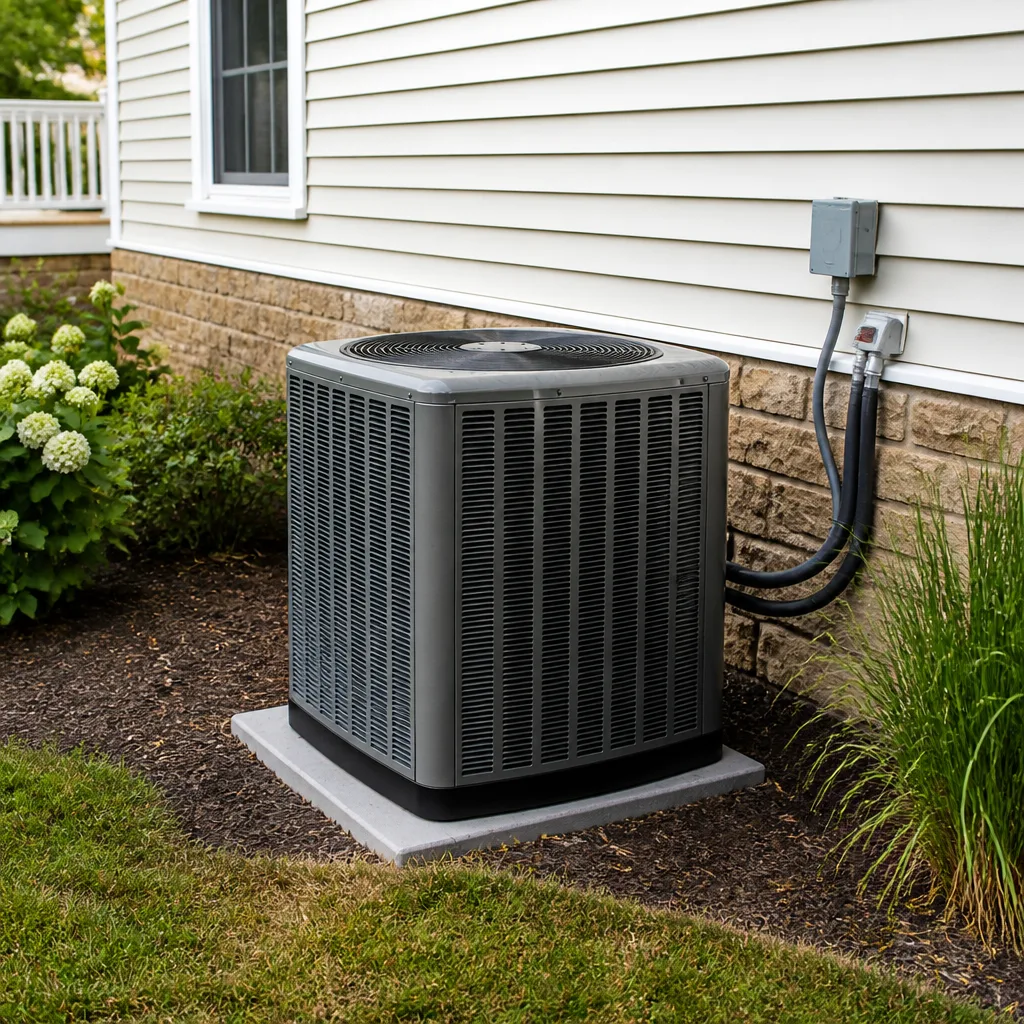 AC repair
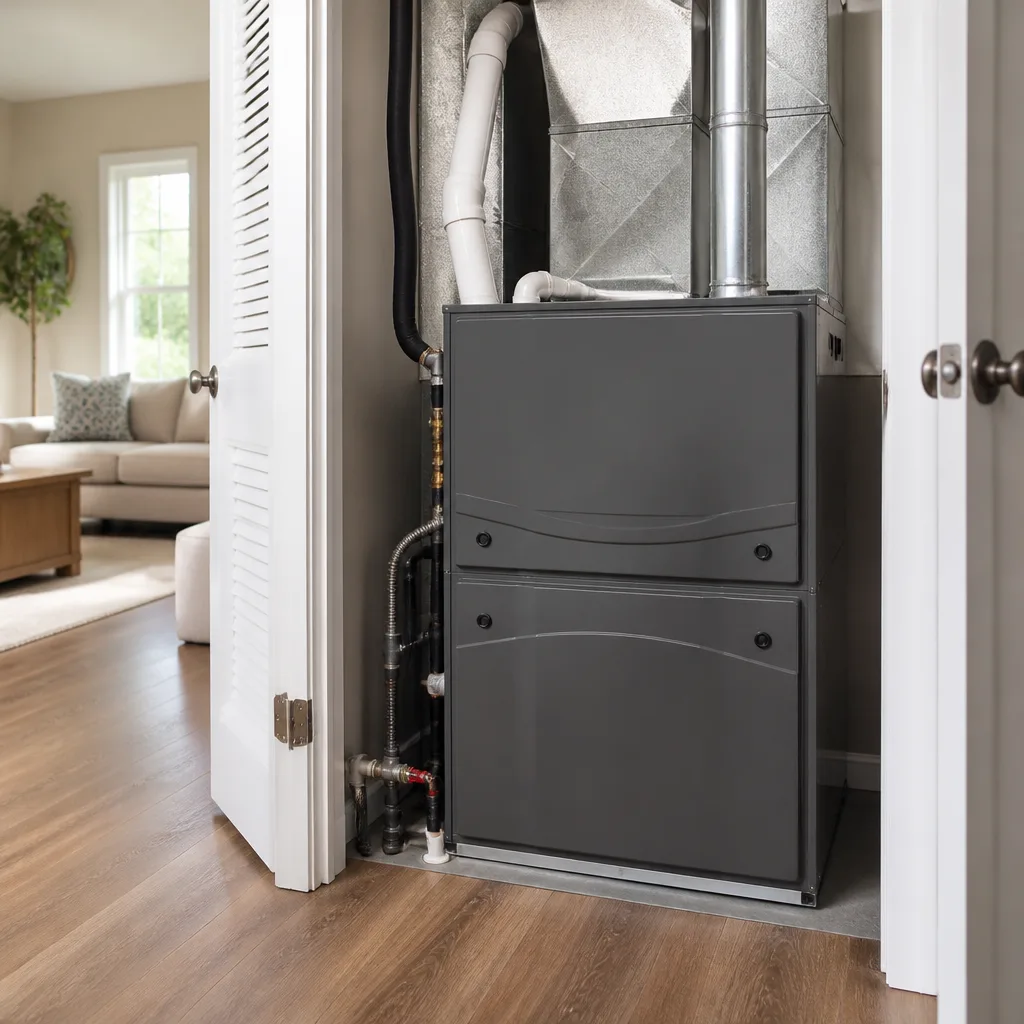 Furnace & heating
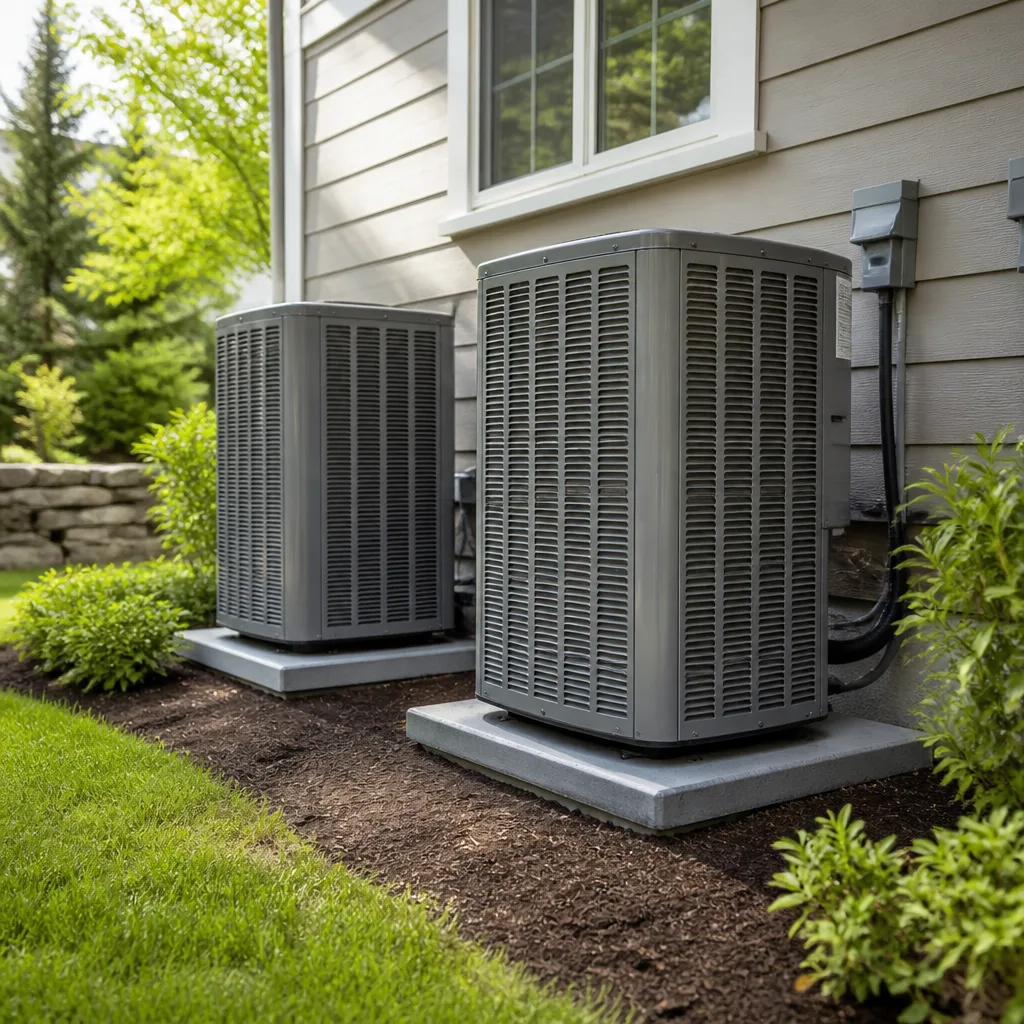 Heat pumps
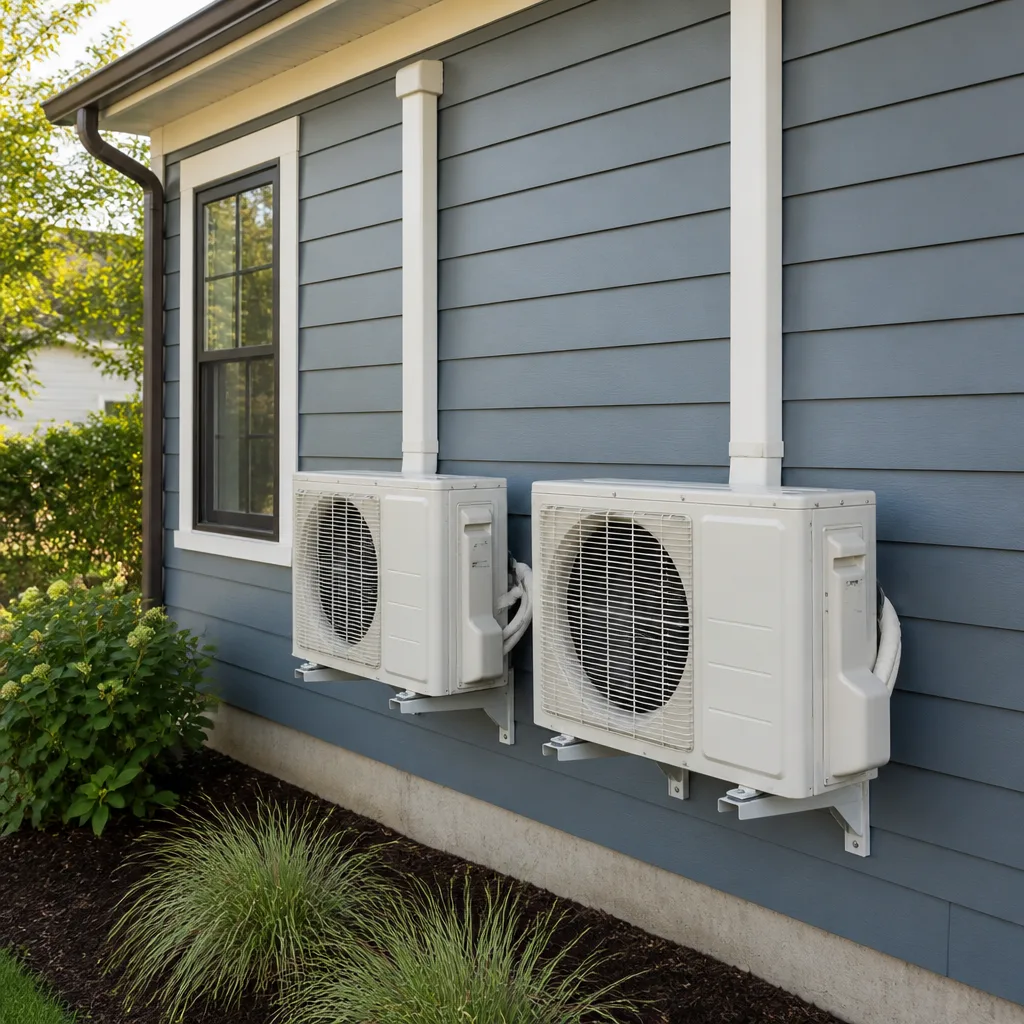 Ductless mini splits
 Carrier
 Trane
 Goodman
Seasonal tune-up and full diagnostic on your Carrier, Trane, or Goodman system - readings shown to you before any repair is proposed
Diagnosis first, numbers second - you approve the repair price before a single part goes in.
Get your free estimateDIY vs Professional Furnace Repair: What’s Safe to Do Yourself
Replacing a furnace filter, cleaning a flame sensor, and swapping a thermostat are all legitimate homeowner tasks that cost under $20 in parts. Most Henderson homeowners we talk to can handle those three without hesitation. But the moment a repair puts you near the heat exchanger or the gas line, the risk profile changes from “possible mistake” to “possible fatality.” That’s the part of furnace work nobody advertises. Carbon monoxide has no smell, no color, and no warning until it’s already in your lungs. This guide draws the line clearly between what you can do yourself, what a licensed technician must handle, and the gray zone in between – so you know exactly when to stop and call.
Quick Answer
Safe DIY furnace tasks are limited to filter replacement, thermostat batteries and programming, and cleaning a dirty flame sensor with fine steel wool. Everything that involves the heat exchanger, gas valve, flue, or combustion air is licensed-only work. Igniter replacement and limit switch swaps fall in a gray zone – technically doable for a confident homeowner, but risky enough that we recommend professional hands.
Styles & brands we work with
- AC repair
- Furnace & heating
- Heat pumps
- Ductless mini splits
- Carrier
- Trane
- Goodman
Table of Contents
- The Three Tiers of Furnace Repair
- How to Clean a Dirty Flame Sensor (Step-by-Step)
- Why Cracked Heat Exchangers Are Uniquely Dangerous
- The Gray Zone: Igniters and Limit Switches
- Henderson Permit Requirements for Furnace Work
- How to Verify a Technician’s Diagnosis Before Authorizing Work
- Common Mistakes to Avoid
- When to Call a Professional
The Three Tiers of Furnace Repair
Not all furnace repairs carry the same risk, and treating them as one category is where homeowners get hurt. We sort every job into three tiers based on what could go wrong if the work is done poorly.
Tier 1: Safe homeowner tasks
- Filter replacement – a $10-$25 pleated filter swapped every 60-90 days. This is the single most important furnace maintenance task and requires no tools.
- Thermostat batteries and programming – replacing AA batteries or resetting a schedule. Zero risk of gas or electrical hazard.
- Flame sensor cleaning – the most valuable DIY task on the list, covered below. Requires steel wool, a screwdriver, and 20 minutes.
- Exterior vent checks – confirming the PVC intake and exhaust pipes on the outside of the house aren’t blocked by debris, bird nests, or desert dust buildup. In Henderson, sidewall vents regularly clog with fine dust during spring winds.
Tier 2: Licensed-only tasks
- Heat exchanger inspection and replacement – the part that separates combustion gases from the air you breathe. A crack here leaks carbon monoxide directly into the supply air.
- Gas valve service or replacement – any work on the gas train can create leaks, improper pressure, or delayed ignition.
- Flue and venting repairs – incorrect flue sizing or slope causes backdrafting of exhaust into the home.
- Combustion air assessment – verifying the furnace gets enough oxygen to burn cleanly. In tightly sealed newer Henderson homes, this is a real issue.
Tier 3: The gray zone
Igniter replacement and limit switch swaps sit in the middle. A confident homeowner with a multimeter can do both. But both involve working inside the burner compartment, both require disconnecting power completely, and both can go wrong in ways that cost more than the original repair if a component gets damaged. We cover that zone below.
How to Clean a Dirty Flame Sensor (Step-by-Step)
A dirty flame sensor is the most common cause of a furnace that lights, runs for 5-10 seconds, then shuts off – a symptom called short-cycling on flame sense. It’s also the highest-value DIY repair a homeowner can safely perform. The part costs under $20 to replace and costs nothing to clean. Here’s the exact procedure.
- Turn off power at the furnace switch and the breaker. Not just the thermostat – the physical switch on or near the unit, plus the breaker at the panel. Confirm the blower stops.
- Turn off the gas valve if you’re not comfortable working near it. The valve is typically a lever or knob on the gas pipe leading into the furnace. Turn it perpendicular to the pipe to close.
- Remove the burner compartment cover. Usually two screws on the front panel. Set them aside where they won’t roll under the unit.
- Locate the flame sensor. It’s a thin metal rod, 3-4 inches long, mounted on a ceramic base near the burners. One wire attaches to it. Don’t confuse it with the igniter, which is usually a silicon nitride or hot-surface element nearby.
- Disconnect the single wire (often a white or yellow lead) and unscrew the sensor from its bracket.
- Clean the metal rod with fine steel wool or a dollar bill. Light pressure only. Don’t use sandpaper – it removes the thin metallic coating. Wipe clean with a dry cloth.
- Reinstall in reverse order. Sensor back in the bracket, wire reconnected, cover screwed back on, gas valve on, power restored. Watch the furnace run through a full cycle.
If the furnace still short-cycles after cleaning, the sensor may need replacement, or the problem may be elsewhere – a weak igniter, a failing gas valve, or a control board issue. That’s when a professional diagnostic is worth the cost. Our Furnace Repair in Henderson team handles this exact call several times a week during the cold snaps, and we quote the repair price before any work starts.
Why Cracked Heat Exchangers Are Uniquely Dangerous
A cracked heat exchanger is the reason furnace work has a lower DIY threshold than AC work. On an air conditioner, the main physical risk is a charged capacitor or a live wire – real hazards, but visible. The heat exchanger hazard is invisible. It’s carbon monoxide leaking into the air you breathe.
The heat exchanger is a 30-40 pound metal chamber that separates the burner flame from the supply air. When it cracks or rusts through, combustion gases (including CO) blow directly into the ductwork. You won’t smell it. You might get headaches, dizziness, or nausea – or you might get nothing until someone in the household collapses.
Here’s the part most homeowners don’t know: a visual inspection cannot reliably detect heat exchanger cracks. A technician with a flashlight and a mirror can see obvious damage, but hairline cracks and internal failures require a combustion gas analyzer – a calibrated meter that measures CO in the flue and supply air. That’s the tool that catches what the eye misses. No homeowner DIY inspection replaces it.
Henderson homes add a specific wrinkle here. The desert climate means furnaces often sit unused for 8-9 months, then get fired up in November. Rust and corrosion accumulate during the dormant season, and the first cold snap is when cracks become active leaks. If your system is 15+ years old and you’ve never had a combustion analysis, book one before winter – not after. Our AC Repair in Henderson team runs the same CO testing on dual-fuel systems all summer.
The Gray Zone: Igniters and Limit Switches
Two common repair calls sit in the middle – not obviously dangerous, not trivially safe. Here’s what we tell homeowners who ask whether they can do these themselves.
Igniter replacement
A hot-surface igniter is a fragile silicon nitride element that heats to over 2,000°F to light the burners. Replacement parts run $25-$80; a professional replacement runs $150-$280 parts and labor. The part is usually held by two screws and one connector. Sounds easy. It is, until a homeowner drops the replacement, cracks it on installation, or touches the element with bare fingers (skin oils cause premature failure). If you’ve replaced one before, you can do it again. If you haven’t, the risk of breaking a new part is real. Our technicians have up to 23 years of experience on Goodman, Rheem, York, and Daikin systems, and we carry the most common igniter part numbers for same-day replacement.
Limit switch swap
A limit switch is a safety device that shuts the furnace down when it overheats. When it fails, the furnace short-cycles or won’t run at all. Replacement is a simple screw-out, screw-in job with two wires. The problem is diagnosis: a failed limit switch is often a symptom of restricted airflow, not a failed part. Replace it without finding the root cause and you’ve masked a real problem – an overheating furnace safety-cycling on a hidden airflow restriction. That’s a combustion safety issue, not a parts swap.
Henderson Permit Requirements for Furnace Work
Like most Nevada jurisdictions, the City of Henderson requires permits for furnace replacement and for any work that modifies the gas line or venting system. Straight parts replacement – an igniter, a flame sensor, a limit switch – generally does not require a permit. A full furnace replacement does, and the work must be inspected before final sign-off.
Why this matters for a homeowner considering DIY or an unlicensed handyman: unpermitted furnace work is a future liability. When you sell your home, a buyer’s inspector will spot an unpermitted gas appliance install in about 30 seconds, and the deal can stall until the work is brought up to code and inspected. In Henderson, we regularly see this hit sales in Green Valley and Anthem, where homes from the 1990s and 2000s are now cycling through their first or second furnace replacement. Unpermitted work can also void your homeowner’s insurance if a gas-related claim arises.
If you’re replacing a furnace, use a licensed contractor who pulls the permit. The permit is not paperwork overhead – it’s the inspection that verifies your gas connections and venting meet current code. Our AC Installation in Henderson team pulls the required permits on every install and schedules the inspection as part of the job.
How to Verify a Technician’s Diagnosis Before Authorizing Work
Most homeowners have been burned by a vague diagnosis and an inflated price at least once. Here’s how to check a technician’s work before you sign off on the repair.
- Ask what part failed and how they know. “The flame sensor is dirty” is not a diagnosis. “The flame sensor is reading 1.2 microamps, and the spec is 4-6, so the control board is cutting the gas on safety” – that’s a diagnosis. Numbers, spec, part.
- Ask to see the failed part or the meter reading. A qualified technician has no problem showing you the multimeter reading, the flame sensor rod, or the crack in the heat exchanger under a combustion analyzer reading. If they can’t show you anything, ask why.
- Ask what the total price is, in writing, before work begins. A fair technician hands you a written price before they touch a tool. If the price changes after they start, ask why. Our written price is part of the job, not an upgrade.
- Ask what the repair is guaranteed for. A credible contractor guarantees the repair in writing for at least a year. Ours is 365 days – if the repair fails inside that window, we come back and fix it at no charge, guaranteed in writing before we leave.
- Ask whether the repair needs a permit. If it does, the answer should be immediate. If they dodged the question, walk away.
A company confident in its work will answer all five without hesitation. If a technician can’t or won’t, you have your answer. Every repair from our team comes with the written price, the written guarantee, and a background-checked, uniformed technician – that’s how we run Coldharbour Heating & Air Henderson home service, and every job in the Henderson area is covered by the 365-Day Done Right Promise.
Common Mistakes to Avoid
- Skipping the power-off at the breaker. Turning the thermostat off is not the same as cutting power. The furnace switch and breaker must both be off before removing any panel. We’ve seen a homeowner take a 120V shock from a control board because he trusted the thermostat setting.
- Using sandpaper on a flame sensor. The sensor rod has a thin metallic coating that sandpaper removes. Clean with fine steel wool or a dollar bill only. A scrubbed sensor fails faster than the original.
- Ignoring a short-cycling furnace for weeks. In Henderson, a furnace that runs for 10 seconds then shuts off is usually a sensor issue – but it can also be a combustion safety shutdown. Two cycles in a row warrant a professional call before you keep trying.
- Blocking combustion air with storage. Henderson garages and utility closets are prime candidate spaces for holiday storage stacked against the furnace. Keep 3 feet clear on all sides, especially in front of intake louvers.
- Replacing a limit switch without finding the airflow restriction. A failed limit switch is often a symptom, not a cause. A dirty filter, a blocked return, or a failing blower can create the same failure. Replace the part and the problem returns.
- DIY-ing a gas valve or heat exchanger. These are in Tier 2 for a reason. A wrong-size gas valve or a mis-seated heat exchanger gasket leaks carbon monoxide silently. No homeowner task is worth that risk.
- Trusting an unpermitted install to save $200 in permit fees. The unpermitted gas furnace becomes a disclosure item at resale, and the inspection to clear it can run 3-5x the permit cost.
See the difference
 Before
 After
 Before
 After
 Before
 After
When to Call a Professional
Call a licensed technician immediately if you smell gas, hear the furnace rumbling or popping after it fires, or see soot around the burner compartment – those are gas and combustion symptoms, not parts failures. Call the same day if the furnace short-cycles repeatedly after a flame sensor cleaning, if any part of the heat exchanger looks cracked or rusted through, or if your carbon monoxide alarm has ever gone off. Coldharbour Heating & Air Henderson offers free estimates in Henderson – call (844) 797-5122. Our phones are answered by a live person 24 hours a day, every day, and technicians are trained on nine major brands including Carrier, Trane, Lennox, and American Standard.
Frequently Asked Questions
Yes. Replacing a furnace filter is a safe homeowner task that costs $10-$25 and takes five minutes. Swap 1-inch filters every 60-90 days, more often in Henderson’s dusty spring months when desert winds push fine grit through the return air. Locate the filter slot on the return duct or inside the blower compartment, slide the old filter out, and match the size printed on the frame.
Yes, cleaning a flame sensor is safe if you cut power at both the furnace switch and the breaker first. The sensor is a thin metal rod, not a high-voltage component. Use fine steel wool or a dollar bill, not sandpaper. If the furnace still short-cycles after cleaning, call for a diagnostic – the problem may be the igniter, gas valve, or control board.
You generally can’t know from visual inspection – that’s the honest answer. A cracked heat exchanger requires a combustion gas analyzer reading, not a flashlight check. Warning signs include soot around the burners, a yellow or orange flame instead of a steady blue one, a CO alarm going off, or a persistent headache in the household. If any of these are present, shut off the furnace and call a technician immediately.
Yes. Furnace replacement and any gas line or venting modification require a permit from the City of Henderson, and the work must be inspected. Straight component replacement (flame sensor, igniter, filter) generally does not. Use a licensed contractor who pulls the permit – unpermitted furnace work becomes a resale disclosure item and can complicate an insurance claim.
Most Henderson furnace repairs run $150-$450 depending on the part. Igniter replacement is typically $150-$280 parts and labor. Flame sensor cleaning or replacement runs $120-$220. A gas valve replacement is $350-$650 and includes permit and inspection. A heat exchanger replacement is $1,200-$2,400 and often signals it’s time to price a full system. Call (844) 797-5122 for a written price before any work starts – free estimate, no hassle.
Yes for most parts-level repairs. Igniters, flame sensors, limit switches, and control boards are common enough that a trained technician carries many of them. Gas valve and heat exchanger replacements often require a second visit because the part is ordered for your specific model. In either case, your price is written down before work starts, and your repair is guaranteed for 365 days.
The Bottom Line
Safe DIY furnace work is a short list: filters, thermostats, and flame sensors. Everything else – heat exchanger, gas valve, flue, combustion air, and usually igniters and limit switches – belongs to a licensed technician. The reason the line sits lower on furnaces than on air conditioners comes down to carbon monoxide. Electric shock is a real risk you can see coming. CO isn’t. If you’re in Henderson and any part of that second-tier risk is in play, call Coldharbour Heating & Air Henderson at (844) 797-5122 for a free estimate. You’ll get a written price before work starts, a live person on the phone 24/7, and a 365-day guarantee in writing – the kind of promises most companies only make with a handshake.
Written by the team at Coldharbour Heating & Air Henderson.