
Last updated November 17, 2026
 AC repair
 Furnace & heating
 Heat pumps
 Ductless mini splits
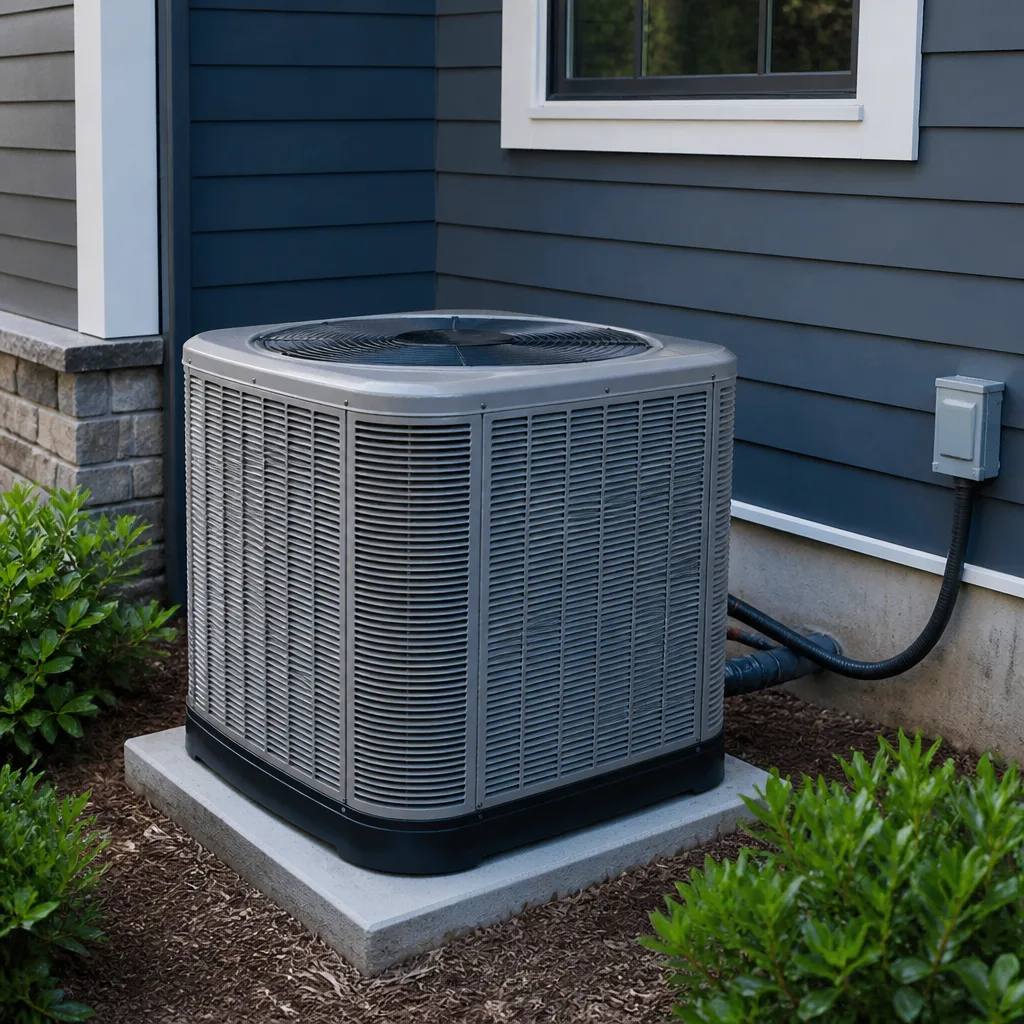 Carrier
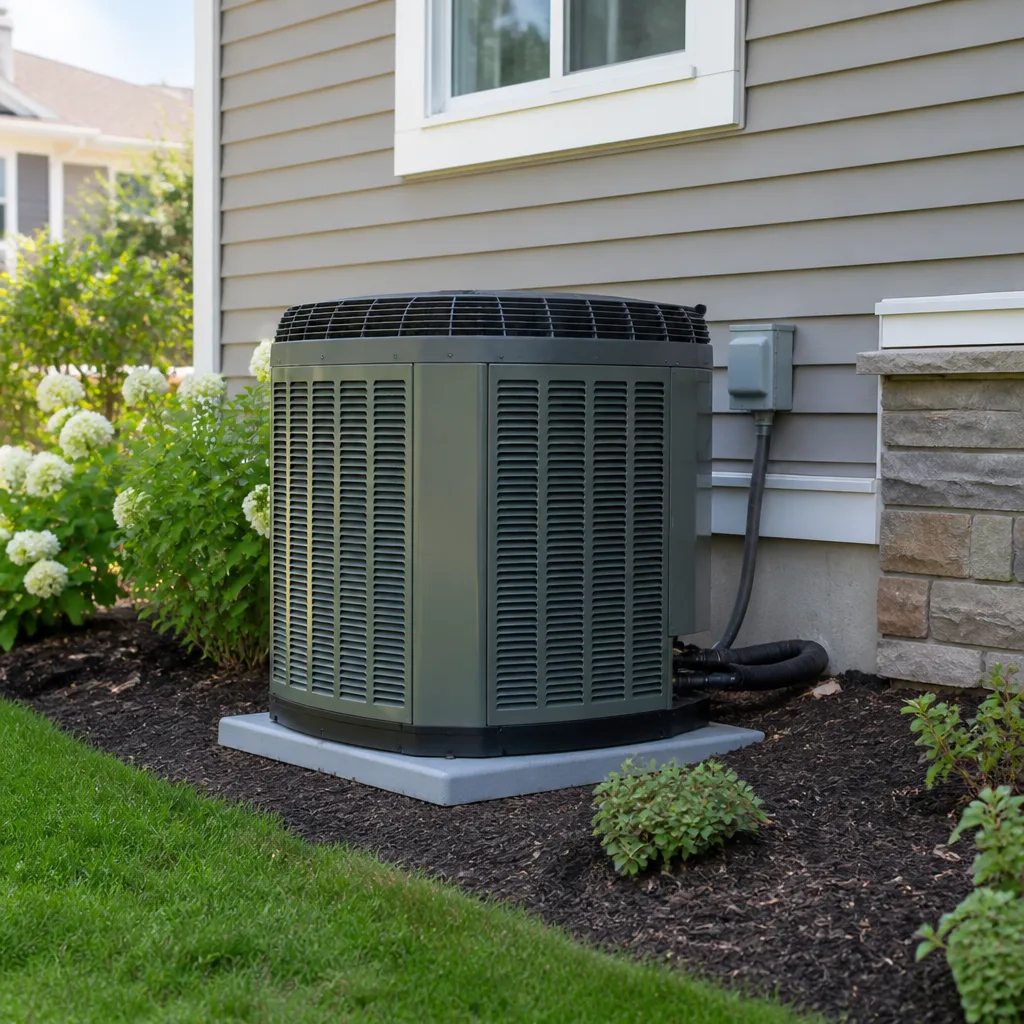 Trane
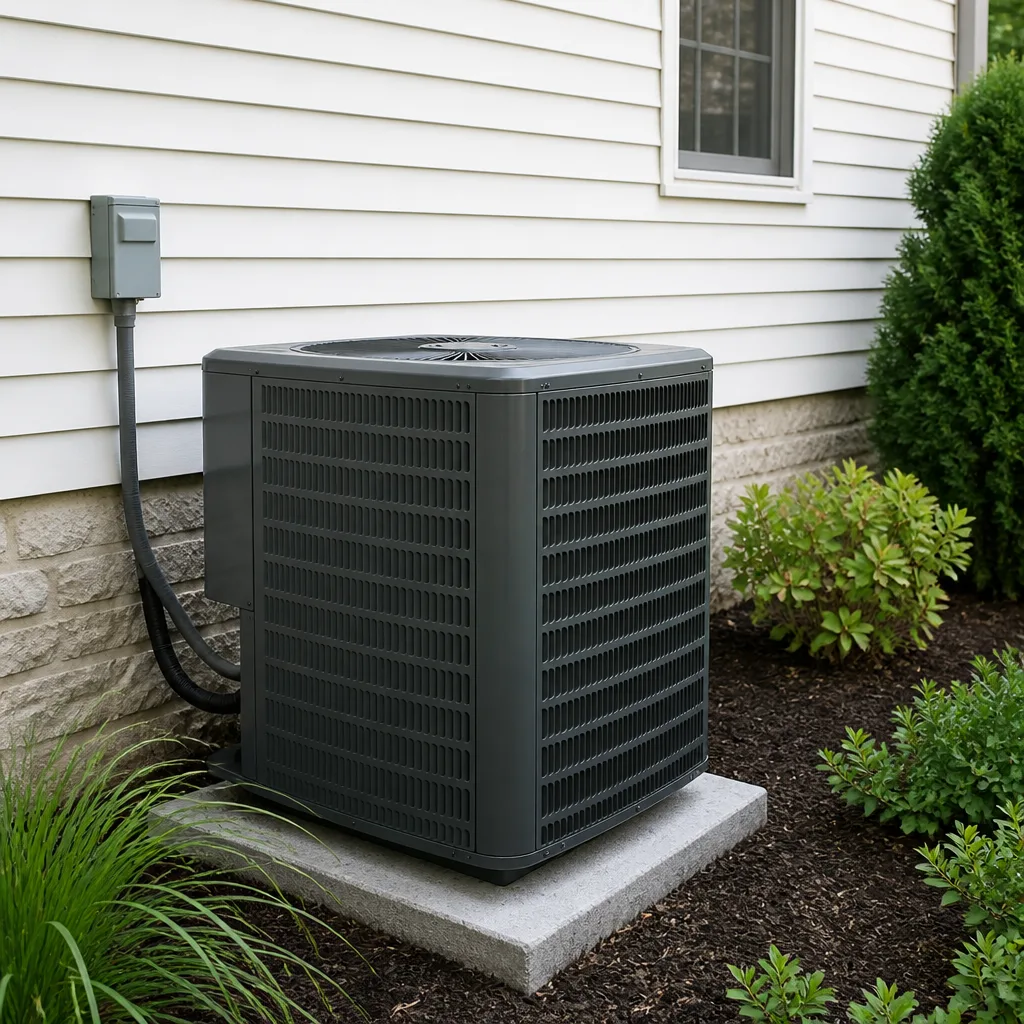 Goodman
Seasonal tune-up and full diagnostic on your Carrier, Trane, or Goodman system - readings shown to you before any repair is proposed
Diagnosis first, numbers second - you approve the repair price before a single part goes in.
Get your free estimateHVAC Permits, Codes & Inspections in NV: What You Need to Know
Here’s a fact that catches Henderson homeowners off guard: a new air conditioner installed without a permit can fail a home inspection years later, and the buyer’s lender doesn’t care that the unit runs fine. Nevada runs on the 2021 International Mechanical Code with state amendments, and the refrigerant containment and duct-sealing rules in that code didn’t exist when a lot of the equipment sitting in Henderson garages was built. When a swap happens without a permit, nobody checks whether the new system meets today’s requirements. The gap sits there quietly until a sale, a fire claim, or an insurance adjuster finds it. This guide walks through which HVAC jobs need a permit in Henderson, what the process costs in 2025, how inspections work from application to final sign-off, and what to do if you discover unpermitted work left behind by a previous owner.
Quick Answer
In Henderson, like the rest of Clark County, most HVAC work that involves replacing equipment, running new refrigerant lines, or altering ductwork requires a mechanical permit and at least one inspection before the system can be signed off. Simple repairs like swapping a thermostat or replacing a fan motor generally don’t. A residential mechanical permit in Henderson typically runs a few hundred dollars and the inspection timeline is usually a few business days from application to final, depending on how busy the jurisdiction’s inspection queue is. Unpermitted HVAC work can cloud an insurance claim and stall a property sale, and it’s the homeowner who ends up paying to make it right.
Styles & brands we work with
- AC repair
- Furnace & heating
- Heat pumps
- Ductless mini splits
- Carrier
- Trane
- Goodman
Table of Contents
- Which HVAC Jobs Require a Permit in Henderson and Clark County?
- Henderson vs. Clark County: The Jurisdictional Line
- What Does a Mechanical Permit Cost in Henderson, and How Long Does It Take?
- How Unpermitted HVAC Work Affects Insurance Claims
- Refrigerant Transitions: R-22 to R-410A to R-454B
- What the Inspection Actually Checks: A Step-by-Step Walkthrough
- Found Unpermitted Work During a Sale? Here’s What Happens
- Common Mistakes to Avoid
Which HVAC Jobs Require a Permit in Henderson and Clark County?
The line between “needs a permit” and “doesn’t” is where homeowners and, honestly, some contractors get sloppy. The rule of thumb: if the work touches the building’s mechanical system in a way a future inspector would want to verify, it needs a permit. If it’s a like-for-like repair of a component, it usually doesn’t.
Work that requires a permit in Henderson
- Replacing a furnace, air handler, package unit, or condenser
- Installing a new split system, heat pump, or mini-split
- Running new refrigerant lines or relocating existing ones
- Adding, extending, or substantially modifying ductwork
- Converting from one refrigerant type to another where the system design changes
- Adding a new gas line for a furnace or replacing a gas-fired appliance
- Any structural or electrical work needed to support HVAC equipment
Work that generally does not require a permit
- Thermostat replacement, including smart thermostats
- Replacing a capacitor, contactor, fan motor, or igniter
- Cleaning coils or ducts
- Filter changes and routine tune-ups
- Minor refrigerant top-offs where no equipment is replaced
If you’re replacing a whole system in Henderson, plan on the permit. When a homeowner calls us about a full system swap, we expect the paperwork to be part of the job. Our AC Installation in Henderson work always starts with the permit pulled in the homeowner’s name and the inspection scheduled before the crew leaves the driveway.
Henderson vs. Clark County: The Jurisdictional Line
Here’s where it gets confusing, and where we’ve seen homeowners get caught. Henderson is a fully incorporated city with its own building department. That means if your home is inside Henderson city limits, your HVAC permit runs through the City of Henderson, not Clark County. But properties in the unincorporated pockets surrounding Henderson, or in nearby communities like Green Valley Ranch, Anthem, and parts of the slower-growth edges near Lake Mead, sometimes sit in Clark County’s jurisdiction.
Why it matters: the code is the same base (2021 International Mechanical Code with Nevada amendments), but the submittal requirements, fee schedules, and inspection scheduling are different. A contractor who only pulls Clark County permits might assume a Henderson home is county territory, file in the wrong place, and delay the job by a week or more. Worse, the permit can be invalidated at the point of inspection, and the homeowner is left holding the paperwork.
The practical fix is simple. Before work begins, confirm the address on the county assessor’s parcel map and check which jurisdiction it falls under. In our experience running calls across Henderson, we verify jurisdiction before we quote, not after. A permit that was filed with the wrong building department is not a permit. It’s a note saying you tried.
What Does a Mechanical Permit Cost in Henderson, and How Long Does It Take?
Permit fees vary by valuation and system size, but homeowners should plan for the cost to be a real line item in any HVAC project. Here’s the range we see in Henderson in 2025 and the timeline from application to final sign-off.
- Residential mechanical permit, straight system replacement: typically $150 – $350, depending on declared project valuation
- New system install with new refrigerant lines and ductwork: often $250 – $500
- Gas line work attached to a furnace replacement: can add $75 – $150 in permit fees
- Re-inspection fee (if the first inspection fails): commonly $75 – $150
- Single inspection scheduling: usually 1 – 3 business days out
- Application to final sign-off, typical Henderson timeline: 1 – 3 weeks from permit submission to completed inspection
The inspection itself is often quick. A mechanical inspector checks that the equipment matches the permitted scope, that the refrigerant lines are properly sized and insulated, that the electrical disconnect is correct, and that the ductwork is sealed. They’ll also verify the refrigerant charge line and confirm the label for the refrigerant type, which matters in Henderson specifically because summer temps routinely top 110°F and systems run near-limit for weeks. A visible leak in a poorly installed line gets flagged fast here.
If you need an AC Repair in Henderson that turns out to be an equipment replacement, plan the permit into the schedule. It’s not a weekend job once the paperwork is involved.
How Unpermitted HVAC Work Affects Insurance Claims
This is the part most homeowners don’t hear until it’s expensive. Standard Nevada homeowners insurance policies generally require that work affecting the home’s systems be done in a code-compliant, permitted manner. If a fire, water leak, or refrigerant release tied to unpermitted HVAC work happens, the insurer can investigate whether the work was permitted and inspected. If it wasn’t, that opens the door to a denied or reduced claim.
Two specific scenarios we’ve seen come up in Henderson:
- An electrical fire originating near an unpermitted condenser install. The insurer can argue the equipment was not verified to code, and coverage for the resulting damage can be contested.
- Water damage from a condensate line installed without inspection. If the line was run in a way that didn’t meet code, the insurer can deny or reduce the claim for the resulting drywall and floor damage.
The safest read: if you can’t produce a permit and a passed inspection for the work that caused the loss, you’re negotiating with your own insurer from a weak position. Permits are the paper trail that says the work was done by the book. If you’re scheduling any substantial HVAC work and want the paperwork handled correctly, Furnace Repair in Henderson and system installs we handle always include the permit and inspection in the quote.
Refrigerant Transitions: R-22 to R-410A to R-454B
Nevada’s adoption of the 2021 International Mechanical Code with state amendments tightened the refrigerant containment and transition rules. If you’re replacing older Henderson equipment, you’re likely moving from an older refrigerant to a newer one, and the code path is specific.
Here’s the timeline in plain English:
- R-22 (the old standard): phased out of new equipment. If your existing system runs R-22 and the condenser fails, you can’t simply drop in a new R-22 condenser; the refrigerant isn’t being produced for new equipment.
- R-410A (the transition refrigerant): the system most Henderson homes have installed between roughly 2010 and the mid-2020s. Still serviceable, still in production for replacement parts, but being phased down under federal rules.
- R-454B and other low-GWP refrigerants: the current target for new residential equipment. New installs in Henderson are increasingly quoted on R-454B or A2L-class refrigerant systems as production shifts.
What this means for you: if you’re replacing an older system, the refrigerant change is a code event, not a swap. The new equipment’s refrigerant handling, label, and line set requirements need to be inspected. Doing this without a permit means the new system’s refrigerant compliance is unverified, which is exactly the problem that shows up in a home inspection or an insurance review.
When we quote a Carrier or Trane replacement in Henderson, we quote it with the permit and confirm the refrigerant class matches current code before delivery. If you’re curious what a full replacement looks like, the AC installation page walks through the paperwork step by step.
What the Inspection Actually Checks: A Step-by-Step Walkthrough
If you’ve never been through a mechanical inspection, here’s the sequence a Henderson inspector generally follows for a residential system replacement.
- Paperwork check. The inspector confirms the permit is pulled, the scope matches, and the contractor is licensed for the work.
- Equipment verification. Manufacturer label, model number, refrigerant type, and capacity are checked against the permitted scope.
- Electrical disconnect. The service disconnect near the condenser is checked for code compliance and proper labeling.
- Line set and insulation. Refrigerant lines are verified for correct sizing, insulation, and routing. This is where unpermitted work most often fails.
- Ductwork sealing. New or modified ductwork is checked for mastic, tape, and joint sealing per current code.
- Condensate management. Drain line routing, slope, and termination are checked. In Henderson’s dry heat this often gets overlooked, and inspectors flag it.
- Combustion air and venting (gas furnaces). If a gas furnace was replaced, the inspector verifies venting and combustion air are correct.
- Final sign-off. If everything passes, the permit gets its final status and the homeowner gets a copy.
One practical note from running Henderson jobs: the inspection is not adversarial. It’s the inspector’s job to confirm what’s already been done correctly. If you call a contractor who hides the permit process from you, that’s the red flag. A written price before work starts should include the permit line item, not bury it.
Found Unpermitted Work During a Sale? Here’s What Happens
Henderson’s market churns fast, and it’s not unusual for a buyer’s home inspector to flag an HVAC system that was installed without a permit. The system might work fine, but the permit and final inspection are missing from the county or city record. This is when the deal can stall.
The retroactive permit process usually works like this:
- Discovery. The buyer’s inspector, appraiser, or lender flags the missing permit.
- Disclosure. The seller usually has to disclose the unpermitted work, or the buyer’s agent finds it on the jurisdiction’s permit search.
- Retroactive permit application. The current owner (or the seller, negotiated through the sale contract) applies for a permit on the existing installation. This usually requires an inspection of the existing equipment to confirm it meets code.
- Inspection and correction. If the existing work doesn’t meet current code, corrections are required before the permit can be finalized.
- Cost negotiation. The cost of the retroactive permit, any corrective work, and the inspection fees is negotiated as part of the sale. In most Henderson transactions we’ve seen, the seller ends up bearing most or all of it, but the buyer can also take it on as a credit against the purchase price.
The takeaway: unpermitted work is not a small paperwork problem. It’s a documented liability that shows up at the worst possible time, which is a sale or an insurance claim. If you’re buying in Henderson or the surrounding neighborhoods like Green Valley, Anthem, or the older pockets closer to downtown, always run a permit search on the address before closing. A phone call to the jurisdiction’s building department takes five minutes.
Common Mistakes to Avoid
- Assuming Henderson is Clark County. It isn’t. Henderson has its own building department, and filing in the wrong jurisdiction is one of the most common permit delays we see. Check your parcel before you assume.
- Letting a contractor “handle” a permit that’s actually filed under your name after the work starts. The permit should be pulled before equipment delivery, not retroactively. A contractor who wants to file after the fact is asking you to carry the risk.
- Skipping the permit because the equipment is like-for-like. Same size, same brand, same model number doesn’t mean the current code requirements still match. The 2021 IMC amendments changed refrigerant and duct-sealing rules.
- Not asking for the final inspection copy. A permit that’s issued but never finalized is functionally incomplete. Ask for the final sign-off document and keep it with your home records.
- Treating the inspection as a formality. Failed inspections are common when ductwork isn’t sealed, condensate isn’t routed, or the line set is undersized. Those corrections cost more than the inspection fee.
- Ignoring prior unpermitted work when buying in Henderson. Run a permit check before closing, especially on homes built or renovated in the 2000s and 2010s, when refrigerant transition rules changed fastest.
See the difference
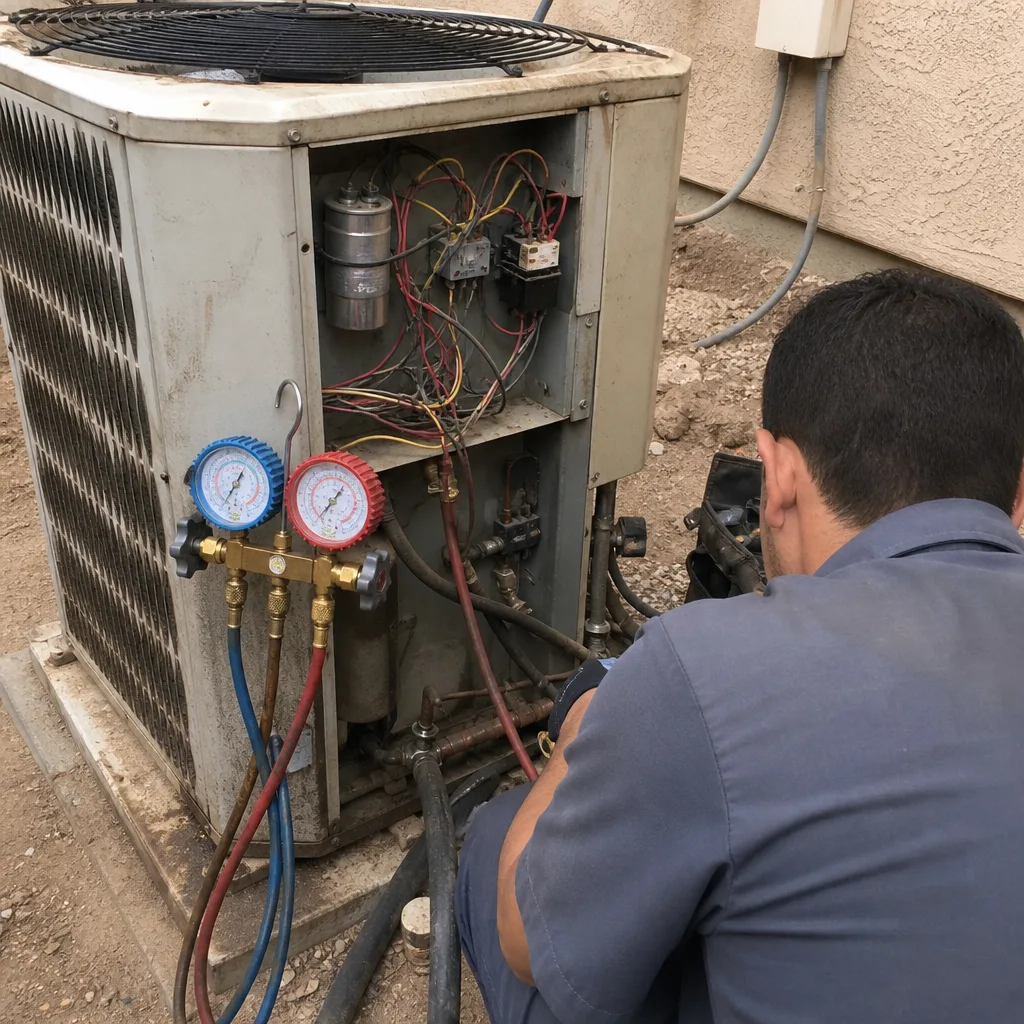 Before
 After
 Before
 After
 Before
 After
When to Call a Professional
Any HVAC job on this list that involves replacing equipment, adding refrigerant lines, or altering ductwork belongs in the hands of a licensed contractor who pulls the permit. That includes a furnace replacement that seems simple, a system swap where the old electrical doesn’t match the new equipment, and any job where a prior unpermitted install needs to be made whole. The safety side matters here too: refrigerant handling, electrical disconnects, and gas furnace venting are not DIY territory. An improperly vented gas furnace in a Henderson home can put carbon monoxide into living spaces, and a refrigerant line installed without inspection can discharge under pressure. Call a licensed technician for that work, every time. Coldharbour Heating & Air Henderson offers free estimates in Henderson. Call (844) 797-5122 and we’ll walk you through the permit requirements for your address before we quote the job.
Frequently Asked Questions
Yes. A straight condenser or air handler replacement in Henderson requires a mechanical permit through the City of Henderson, and a final inspection must be passed before the permit is closed. The equipment matches the permitted scope, the refrigerant type needs verification, and the electrical disconnect is checked. If your home is in an unincorporated pocket of Clark County, the permit runs through the county instead. Call (844) 797-5122 and we’ll confirm your jurisdiction and quote the permit with the job.
A residential mechanical permit in Henderson in 2025 typically runs $150 – $350 for a straightforward system replacement, and $250 – $500 for a new install that includes refrigerant lines and ductwork. Gas line work attached to a furnace replacement can add $75 – $150. Re-inspection fees, if the first inspection fails, generally run $75 – $150. Call (844) 797-5122 for a written quote that includes the permit line item up front.
The sale can stall, and the seller usually ends up paying for a retroactive permit, inspection, and any corrections the inspector requires. Nevada disclosure rules mean the unpermitted work has to be disclosed or found during the buyer’s inspection. In most Henderson transactions we’ve seen, the seller absorbs the cost through a negotiation, but the buyer can also take it as a credit. Get ahead of it by running a permit search before listing.
Yes. A new mini-split or heat pump installation in Henderson requires a mechanical permit, an electrical permit if a new circuit is being run, and inspections for both. The refrigerant handling and line set requirements are part of the mechanical inspection. Skipping the permit doesn’t save money; it just shifts the cost to a retroactive permit later. Call us for a written estimate that includes the permit.
Plan on 1 – 3 weeks from permit submission to final sign-off in Henderson, with the inspection itself usually schedulable within 1 – 3 business days. Straightforward system replacements move faster than jobs with new ductwork or gas work. If you’re on a tight timeline, schedule the permit application before the equipment order, not after. Call (844) 797-5122 and we’ll map the timeline for your project.
It can absolutely complicate a claim. If a fire, water leak, or refrigerant release is tied to unpermitted HVAC work, your insurer can investigate whether the work was code-compliant and permitted. If it wasn’t, coverage for the resulting damage can be denied or reduced. The permit and final inspection are the paper trail that shows the work was done to code. Keep the final inspection document with your home records.
The Bottom Line
In Henderson, an HVAC permit is not a bureaucratic formality. It’s the paper trail that protects your insurance claim, keeps a property sale moving, and confirms the equipment in your home meets the 2021 International Mechanical Code with Nevada amendments. The jurisdictional line between Henderson and Clark County trips people up, the refrigerant transition rules catch older installations, and unpermitted work left behind by a prior owner can cost thousands to correct at the worst possible moment. Get the permit pulled before the work starts, keep the final inspection document, and confirm the address’s jurisdiction before anyone orders equipment. If you want a contractor who treats the permit as part of the job rather than an upsell, that’s how we work. Our technicians have up to 23 years of experience, every repair comes with our 365-Day Done Right Promise in writing, and a live person answers the phone around the clock. Call (844) 797-5122 for a free estimate. You can also start with our Coldharbour Heating & Air Henderson home page to see how The Kingswell Way works on every job.
Written by the team at Coldharbour Heating & Air Henderson.