
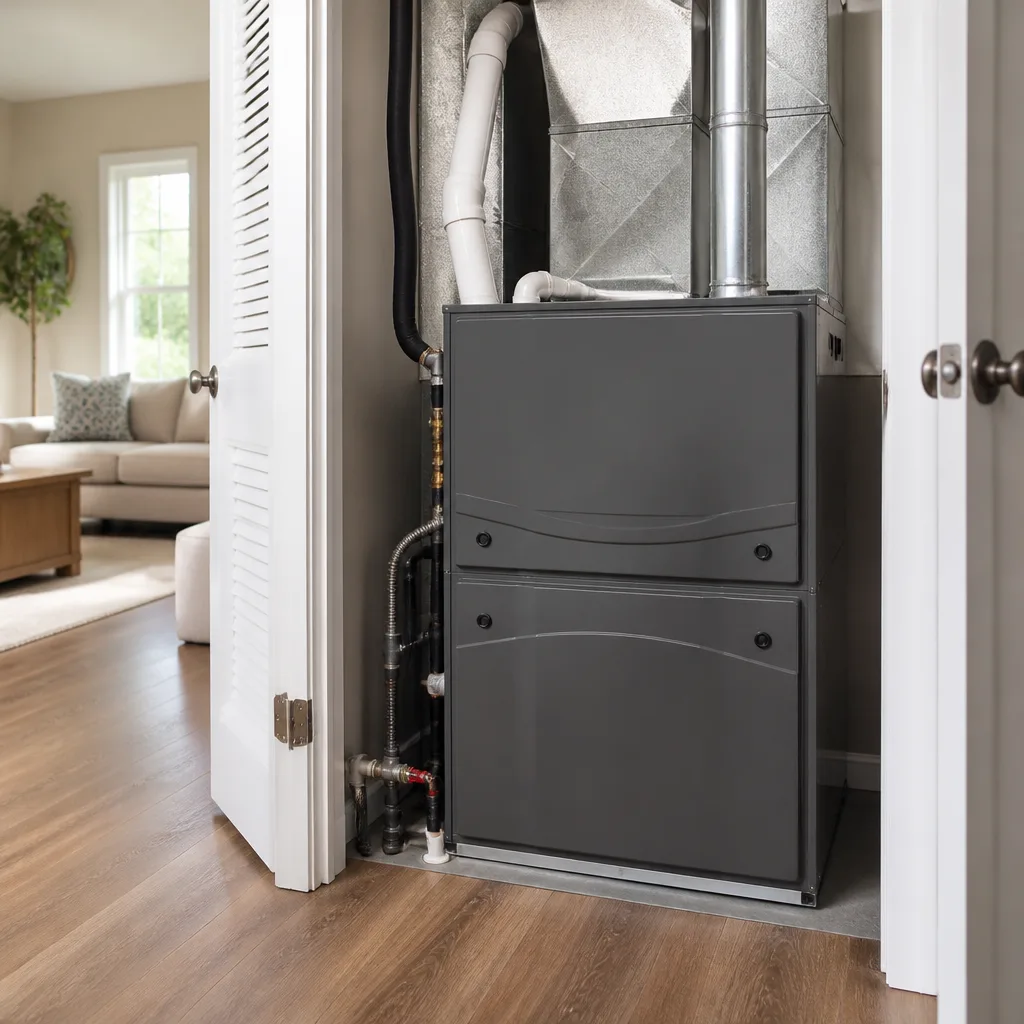
 Furnace & heating
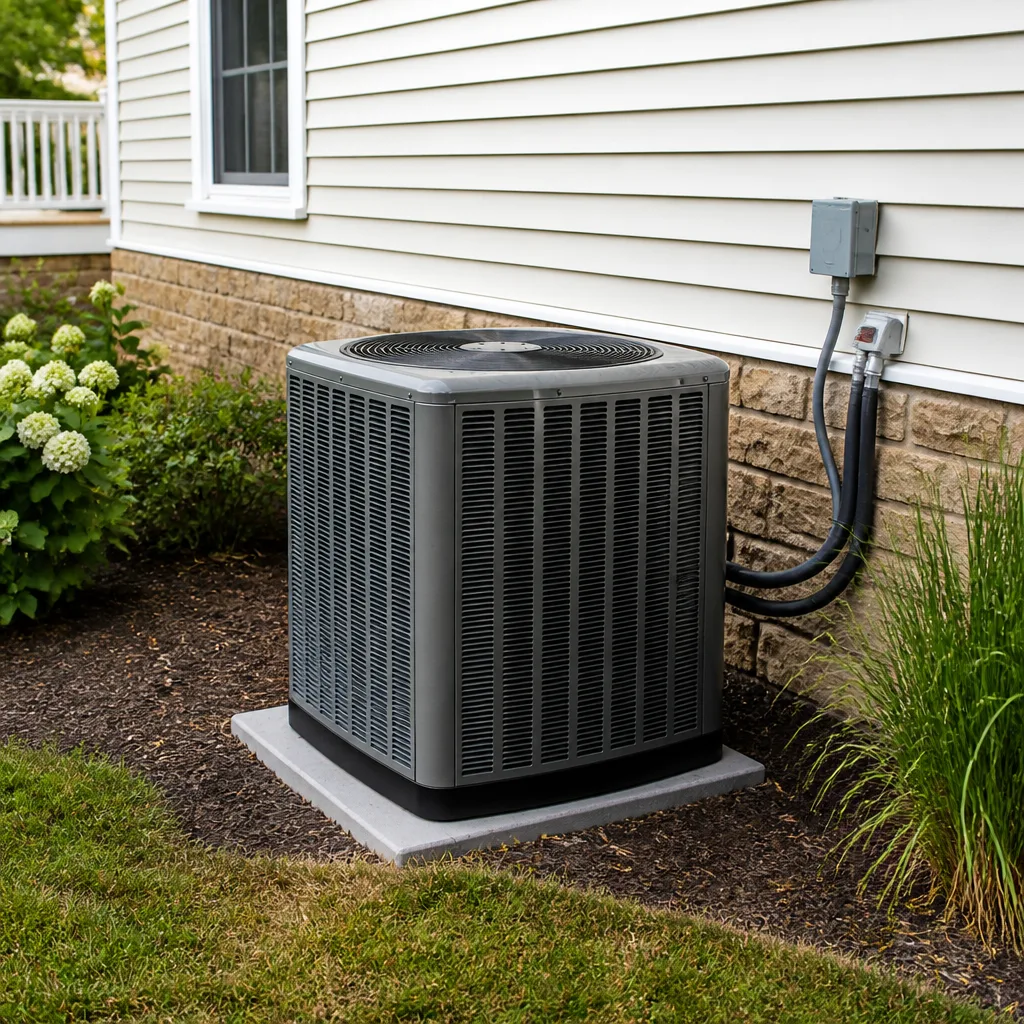 AC repair
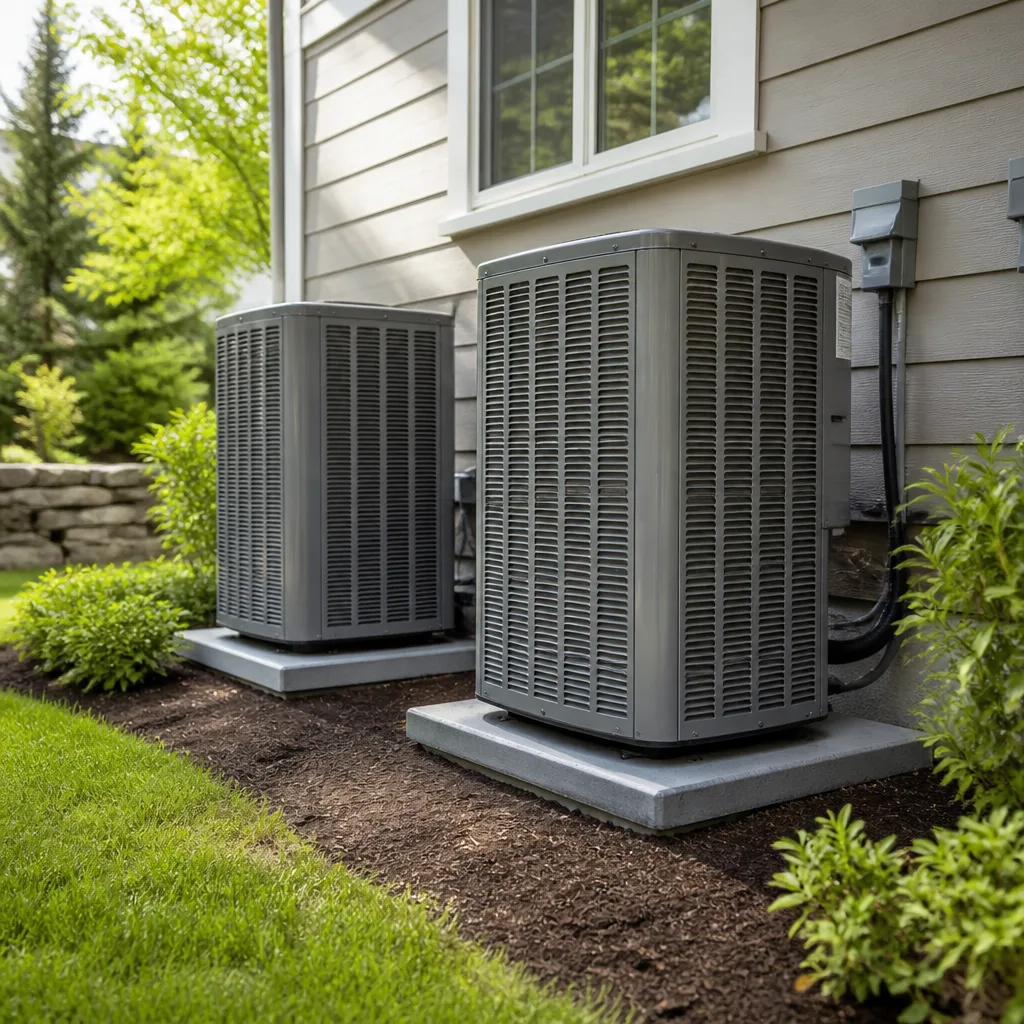 Heat pumps
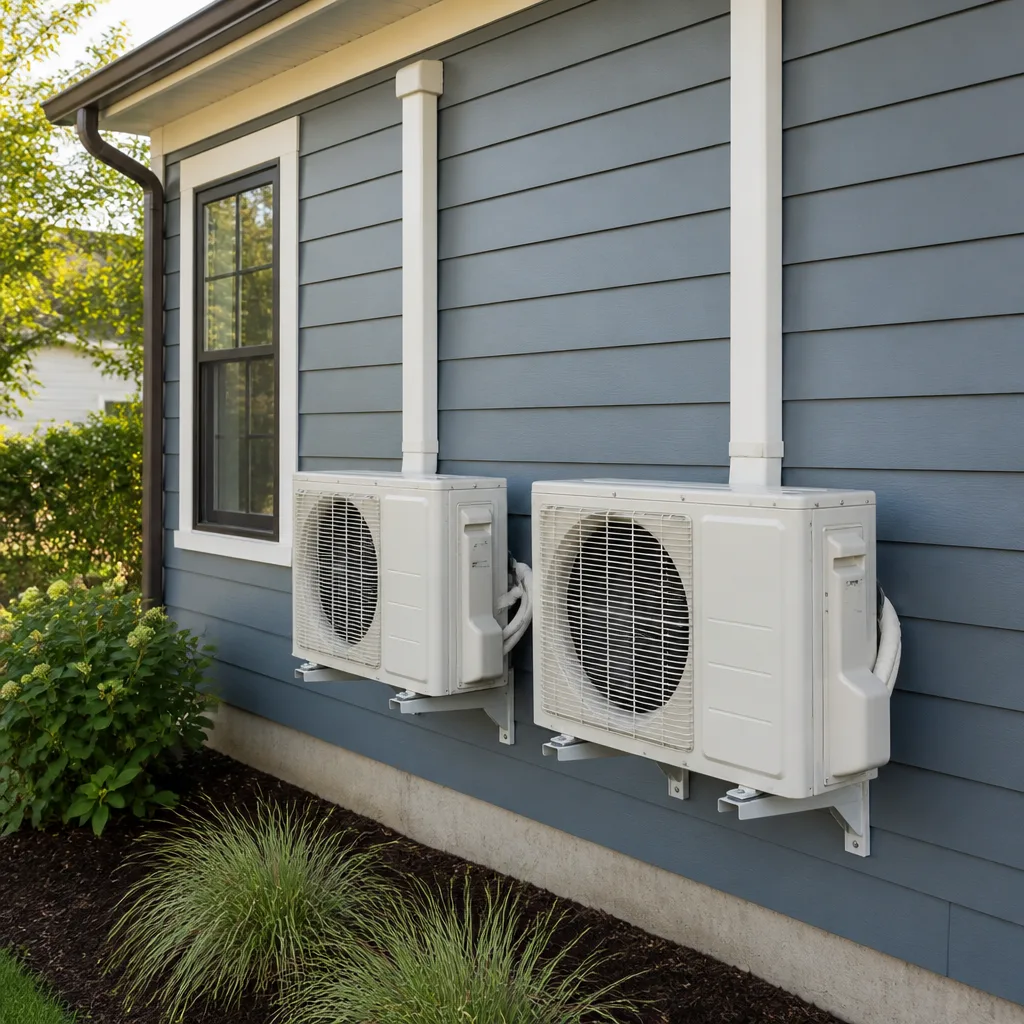 Ductless mini splits
 Carrier
 Trane
 Goodman
Seasonal tune-up and full diagnostic on your Carrier, Trane, or Goodman system - readings shown to you before any repair is proposed
Diagnosis first, numbers second - you approve the repair price before a single part goes in.
Get your free estimateStyles & brands we work with
- AC repair
- Furnace & heating
- Heat pumps
- Ductless mini splits
- Carrier
- Trane
- Goodman
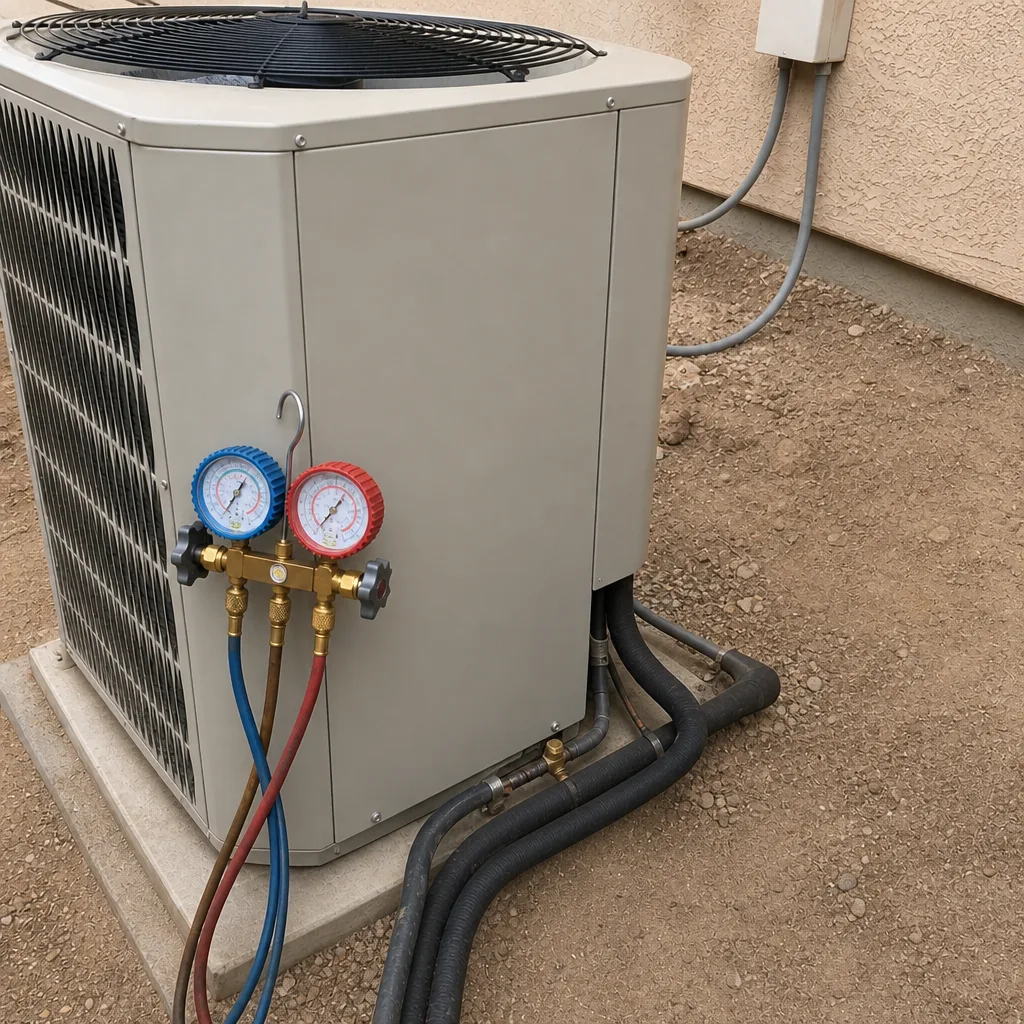
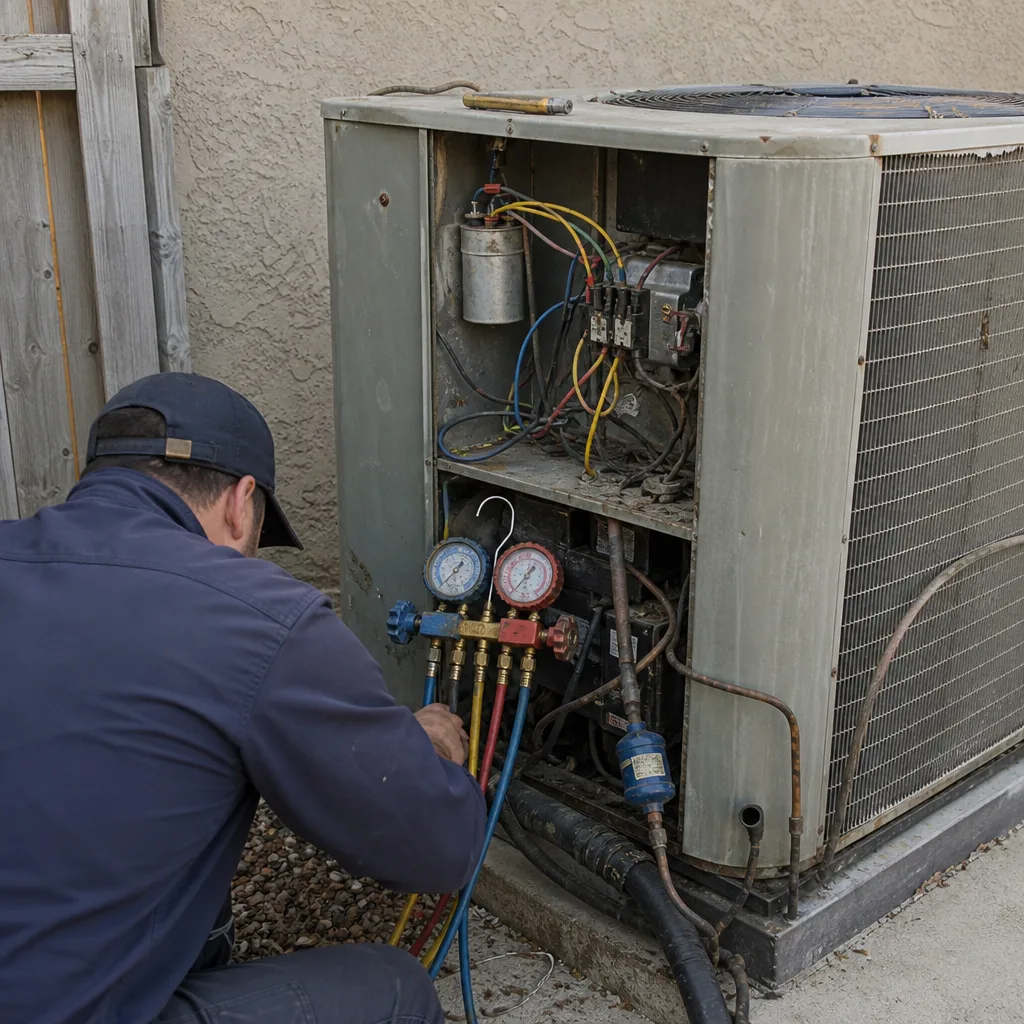
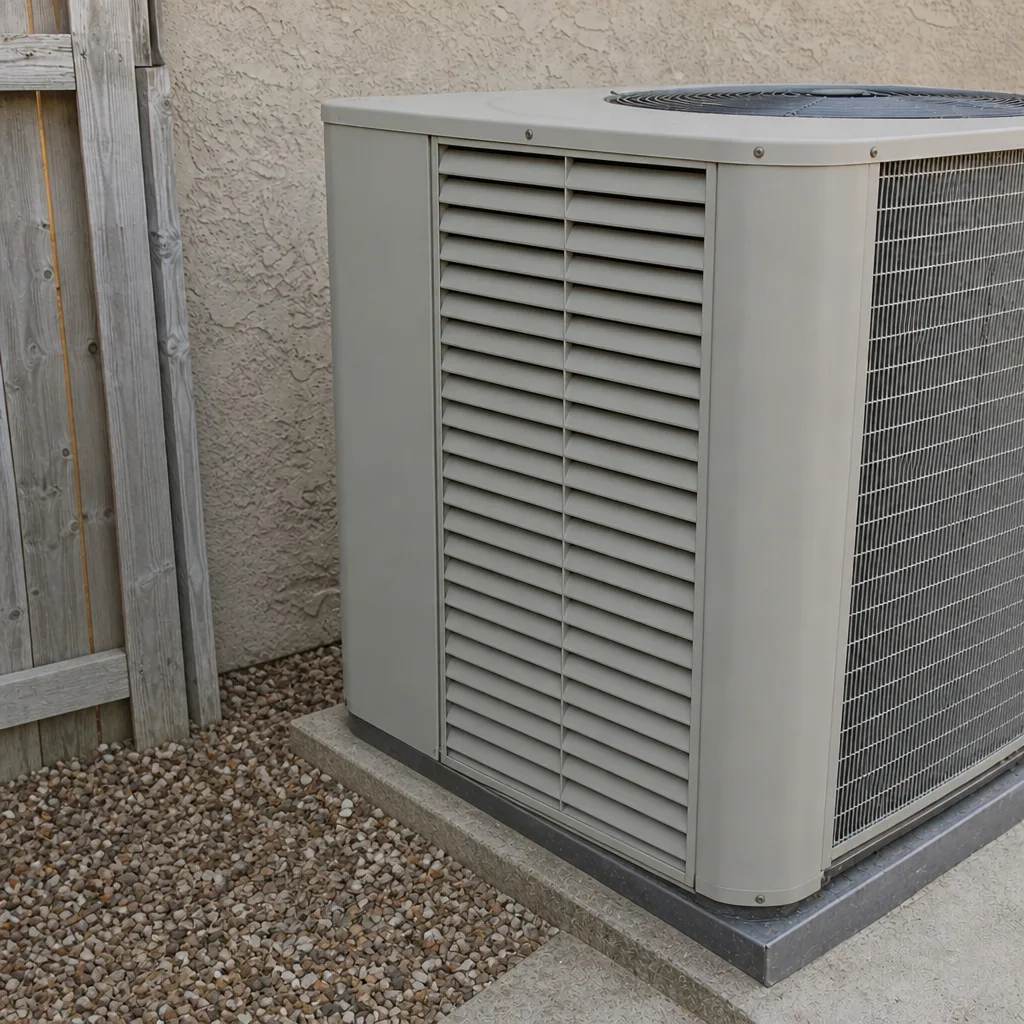
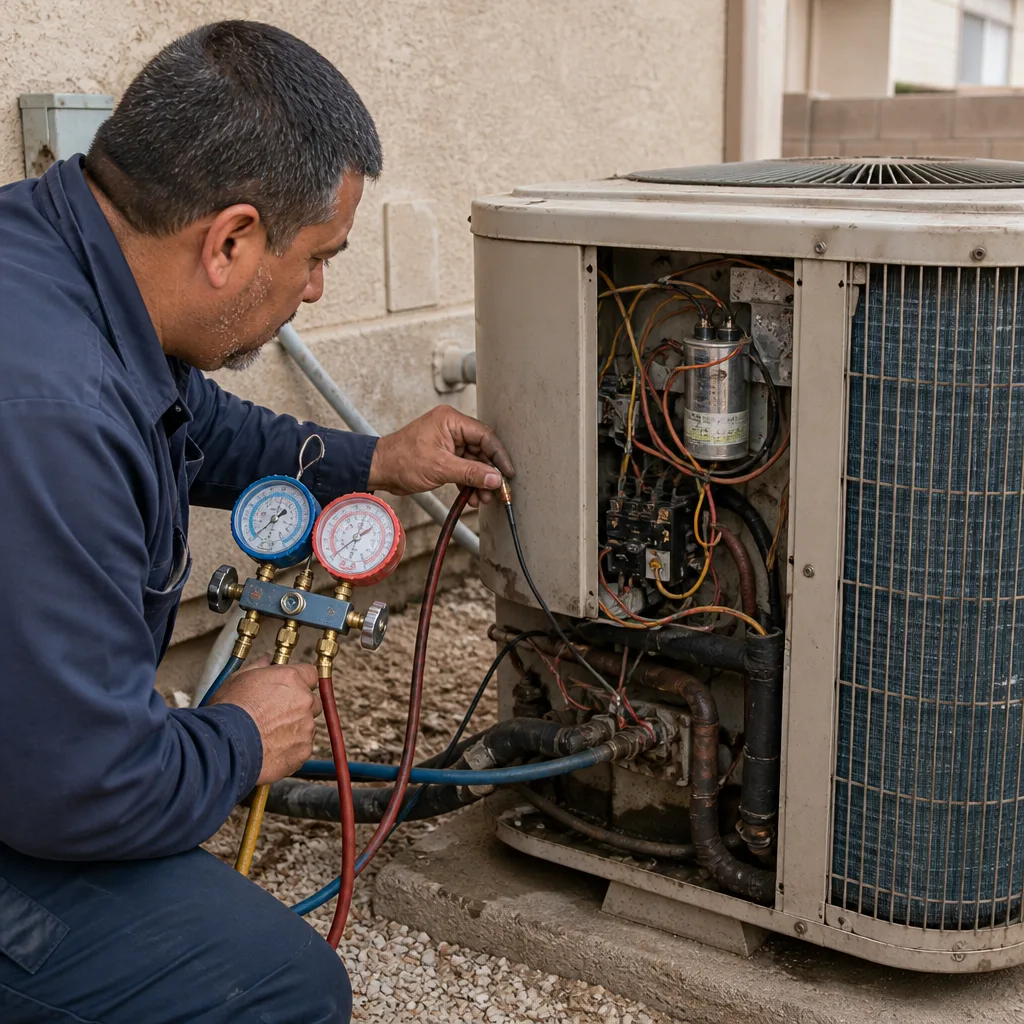
See the difference
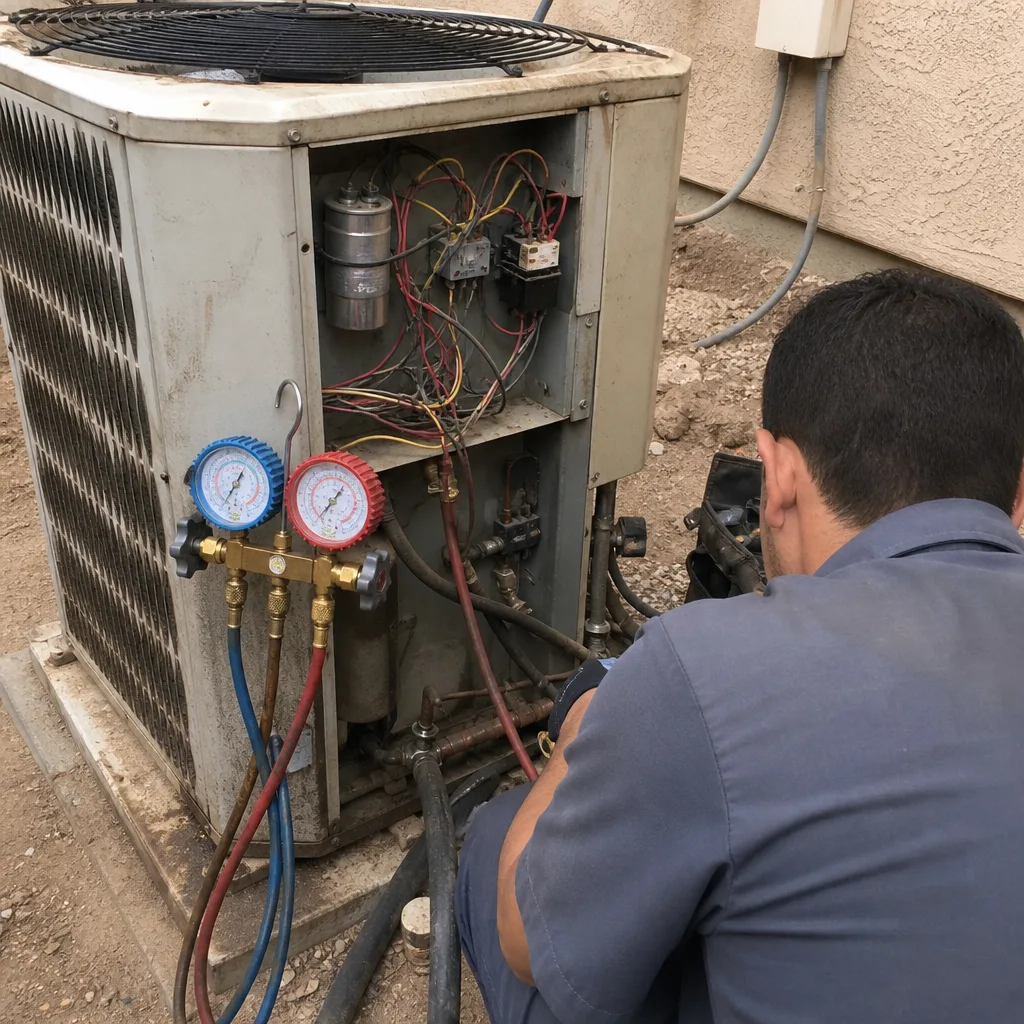 Before
 After
 Before
 After
 Before
 After
Furnace Blowing Cold Air in Henderson? Here’s What the Desert Does to It
The short answer: in Henderson, a furnace blowing cold air is most often a failed igniter, a dust-fouled flame sensor, or a heat exchanger that has tripped on its safety limit. Unlike colder climates, where cold air usually traces back to ductwork or thermostat trouble, our failures cluster around parts that sat idle through seven months of Mojave heat. Your furnace woke up in October and something gave out during the wait. Call (844) 797-5122 and we’ll diagnose it with a written price in hand before any part comes off the shelf.
Why Henderson Furnaces Fail Differently Than Everywhere Else
Most furnace guides are written for Minnesota and Ohio, where the heat runs for months and problems show up gradually. Henderson runs the opposite schedule. From roughly May through September, your furnace sits in an attic doing nothing while the Las Vegas Valley bakes above 110°F. Then a November cold snap arrives and you ask that same equipment to fire for the first time since spring. That long dormancy under extreme heat is what sets up the failures we see on first-of-season calls.
Three parts absorb most of the punishment. An igniter that sat hot and dry for seven months oxidizes and turns brittle, so it cracks when it finally gets a signal. A flame sensor picks up a fine coat of desert dust through the idle season, which keeps it from reading the flame, and the furnace lights then shuts down on a safety lockout while the fan keeps blowing room-temperature air. And a heat exchanger endures hard temperature swings, from a superheated attic in July to a cold snap in December, which stresses the metal more than a steady-climate furnace ever sees. That last one is a safety issue, not just a comfort one, and we’ll get to it.
Chasing the Cause: What Each Symptom Tells You
Before a technician arrives, your furnace is already giving you clues. The pattern of what you hear and what the burner does points to the likely culprit, and it helps to know which failure you’re looking at.
- The igniter clicks but the burner never lights. Likely a flame sensor that isn’t reading, or a gas valve that isn’t opening. Sometimes the igniter itself is cracked and clicking without any spark.
- The burner lights for a few seconds, then shuts off. Classic flame sensor fouling. The furnace proves a flame, loses the signal, and locks out as a safety measure while the fan runs cold. A heat exchanger limit trip can produce the same short cycle.
- Nothing happens at all. Dead igniter or a control board that isn’t sending the signal. In Henderson’s housing stock, an igniter that survived the summer but cracked on first use is a very common find.
- You smell exhaust or the house feels off. Stop and call. That is a heat exchanger or venting concern and should be treated as a safety matter, not a comfort complaint.
We’ve walked into Green Valley two-story homes and Anthem zoned systems with the same first-of-season story: the thermostat was set correctly all along. The equipment simply didn’t survive the idle months. Our technicians have up to 23 years of experience and are trained on the brands that fill Henderson’s 1990s-and-2000s tract housing, so diagnosing a Carrier, Trane, Lennox, Goodman, Rheem, or Bryant furnace isn’t guesswork.
When Cold Air Means a Cracked Heat Exchanger
A cracked heat exchanger matters more than any other cause on this list. In a working furnace, the burner fires inside a sealed metal chamber and the blower pushes house air across the outside of that chamber, so the two airstreams never touch. When the exchanger cracks, exhaust gases, including carbon monoxide, can mix into the air you breathe. The furnace’s high-limit switch often senses the trouble and shuts the burner down, which is why you feel cold air instead of heat. That shutdown is the furnace protecting you, and it should never be reset and ignored.
Henderson’s temperature swings are what make this more common here than the climate guides assume. The metal expands and contracts across a range that a mild climate never produces. If our technician finds a crack, we’ll show you the evidence and explain your options plainly. We won’t push a repair on a part that can’t be safely fixed, and a heat exchanger issue is one of the few times replacement may be the honest recommendation. For the wider picture on how we handle furnace work in this city, see our Heating & Furnace in Henderson page.
What a First-of-Season Furnace Repair Costs in Henderson
Most furnace repairs in Henderson fall between $150 and $700, parts and labor included. The exact number depends on the part, and a common igniter replacement lands in the lower half of that range while a heat exchanger or control board repair sits near the top. A seasonal tune-up, which is the best defense against a cold-air surprise in November, runs $80 to $200.
| Repair | Typical range in Henderson |
|---|---|
| Furnace repair (diagnosis through fix) | $150-$700 |
| Tune-up / seasonal inspection | $80-$200 |
| AC repair (for comparison, same visit) | $150-$650 |
| Full system replacement, if needed | $3,500-$7,500 |
Every Coldharbour repair comes with the 365-Day Done Right Promise: a written guarantee, handed to you before the technician leaves, that covers the work for a full year. If the repair fails inside those 365 days, we come back and fix it at no charge. That’s part of The Kingswell Way, which also means you get a written price before any tool comes out and a firm arrival window you can count on.
How We Diagnose a Cold-Air Furnace, Step by Step
Here’s what a proper call looks like, so you know what to expect when the technician arrives.
- Confirm the call and the thermostat. We check that the furnace is actually being asked for heat and that the thermostat isn’t set to fan-only, which is a surprisingly common false alarm.
- Watch the ignition sequence. We listen and watch for the igniter click, the burner light, and whether the flame holds. The pattern tells us which part to test first.
- Test the flame sensor and igniter. We meter both and inspect for the dust fouling and oxidation that desert idle seasons cause.
- Inspect the heat exchanger and limit switches. A thorough visual and combustion check confirms whether the high-limit trip is a safety shutdown we need to act on.
- Hand you a written price before any repair. You see the number and approve it before a single part is replaced. It doesn’t change at the door.
Because a heat exchanger inspection and gas-side work carry real safety stakes, this is not a job to attempt on your own. Carbon monoxide exposure and gas-line work belong with a trained technician every time.
Why the Desert Climate Shapes Your Furnace, Not Just Your AC
You already know your AC earns its keep here. Summer highs routinely top 110°F and the system runs near-continuously from May through September while attic-mounted air handlers climb past 140°F. Dust and monsoon wind events load the coils and filters fast. That same dust settles into a dormant furnace, and that same attic heat ages the parts inside it. A furnace in a milder climate gets exercised gently year-round; yours gets seven months of neglect followed by a hard cold-start.
The practical defense is a fall tune-up before the first cold snap, when we can catch a brittle igniter or a dusty sensor before it strands you. A yearly check is the cheapest way to avoid the October cold-air call entirely, and our home page lays out the full range of heating and cooling work we handle.
FAQs
Because it sat idle through the desert summer, the most common causes in Henderson are a cracked igniter, a dust-fouled flame sensor, or a heat exchanger that has tripped on its safety limit. Those parts take the most wear during seven months of high attic heat, so first-of-season cold air is usually a part failure, not a thermostat problem.
Most furnace repairs in Henderson run $150 to $700, parts and labor included, and a tune-up runs $80 to $200. An igniter replacement sits at the low end while a heat exchanger or control board repair sits near the top. Call (844) 797-5122 for an exact written price before any work begins, and estimates are free.
Sometimes, from the symptoms. If the burner never lights and you hear clicking, it’s more likely the igniter or a gas valve; if it lights for a few seconds and shuts off, a fouled flame sensor is the usual suspect. Confirming which one it is needs a meter and a trained eye, so call us for a real diagnosis rather than guessing.
Call right away if you smell exhaust, see sooty residue, or the furnace keeps shutting off after lighting. Those point to a heat exchanger or venting concern, and carbon monoxide safety is not something to wait on. Even without those signs, a cold-air furnace won’t fix itself, so call (844) 797-5122 and we’ll get a written price in front of you fast.
If you’d rather have it looked at, Coldharbour Heating & Air Henderson offers a no-pressure assessment in Henderson. Call (844) 797-5122 for a free estimate, and we’ll show you exactly why your furnace went cold and what it takes to fix it right, with the guarantee in writing before we leave.
Written by the team at Coldharbour Heating & Air Henderson, serving Henderson, NV.