
Last updated November 17, 2026
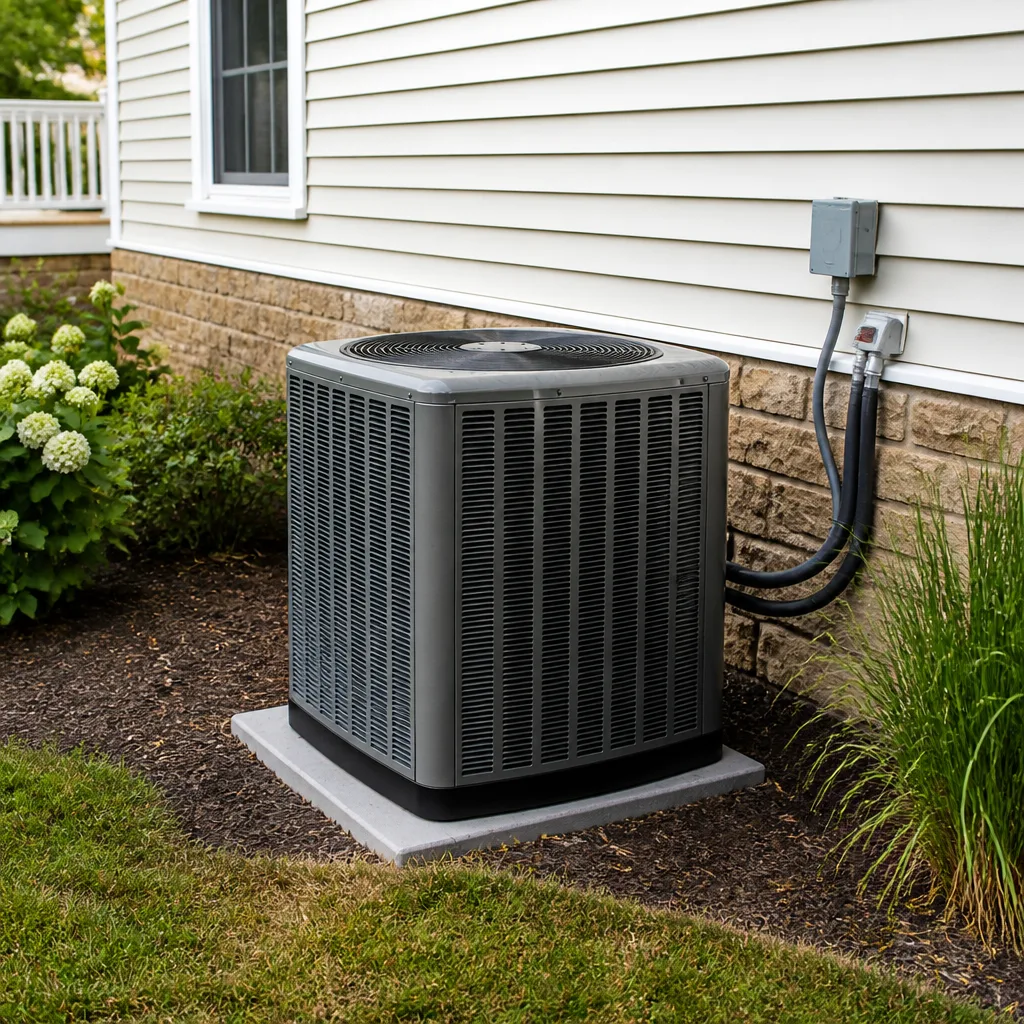 AC repair
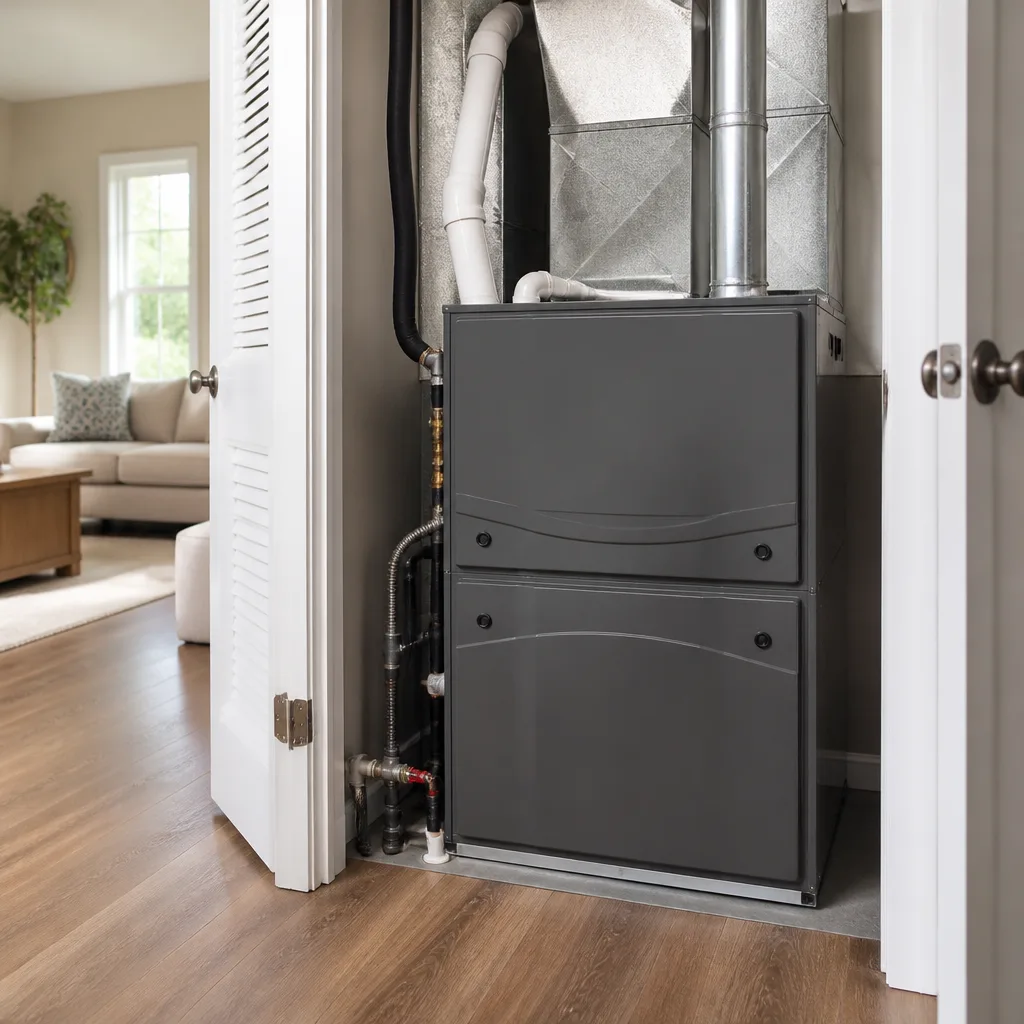 Furnace & heating
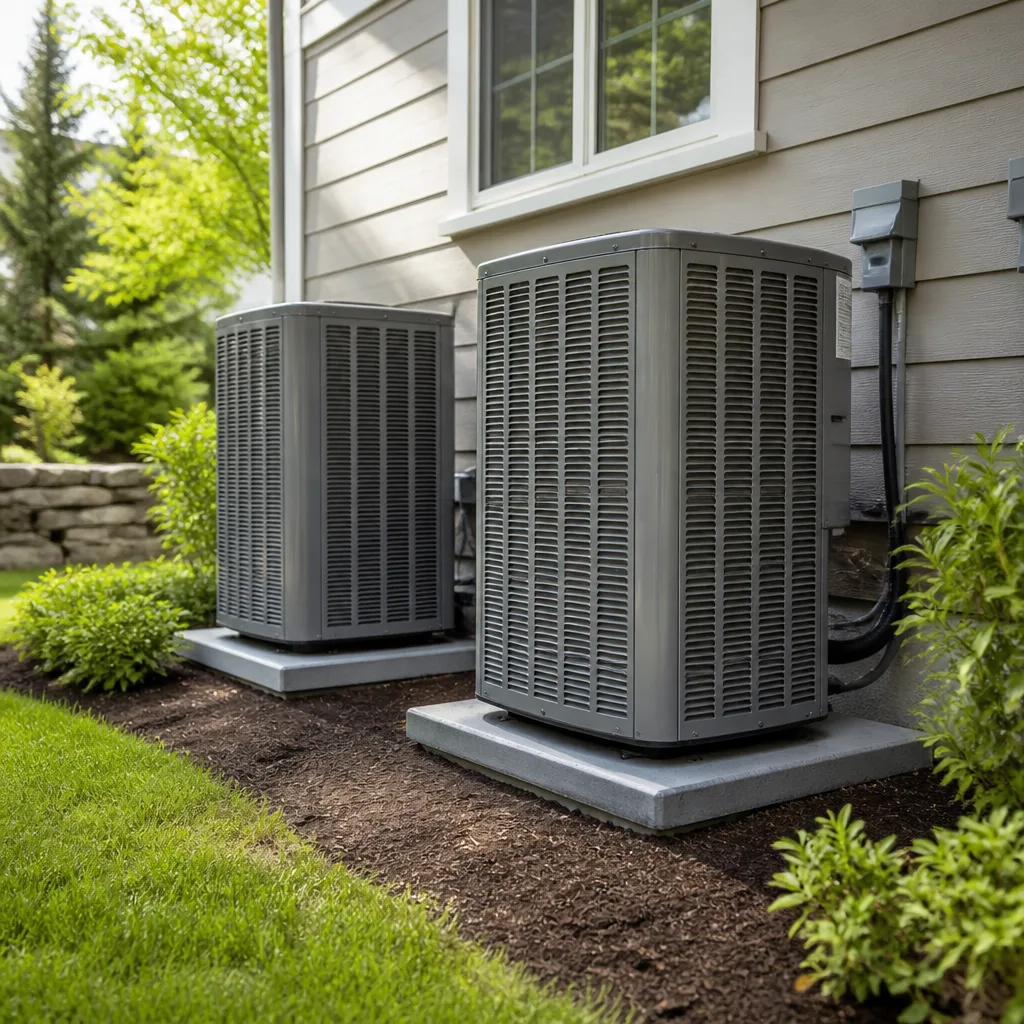 Heat pumps
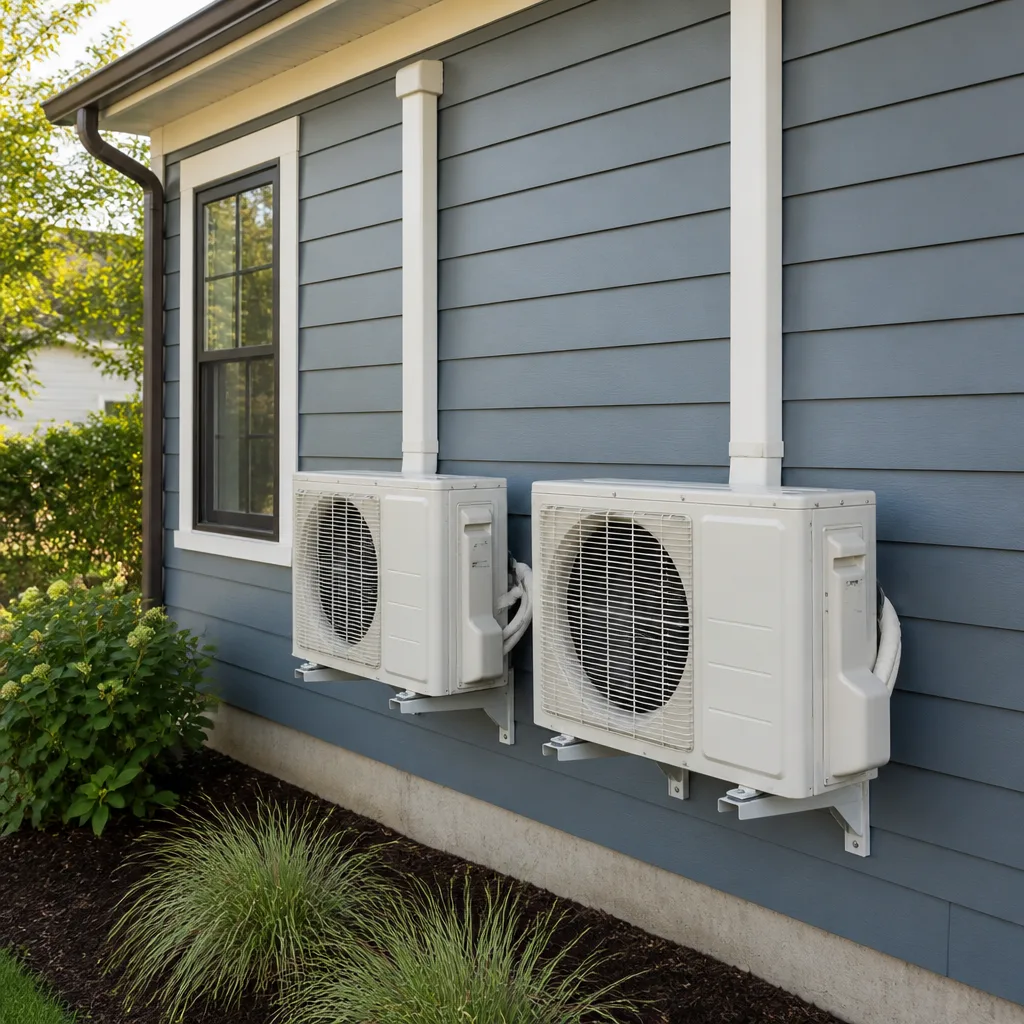 Ductless mini splits
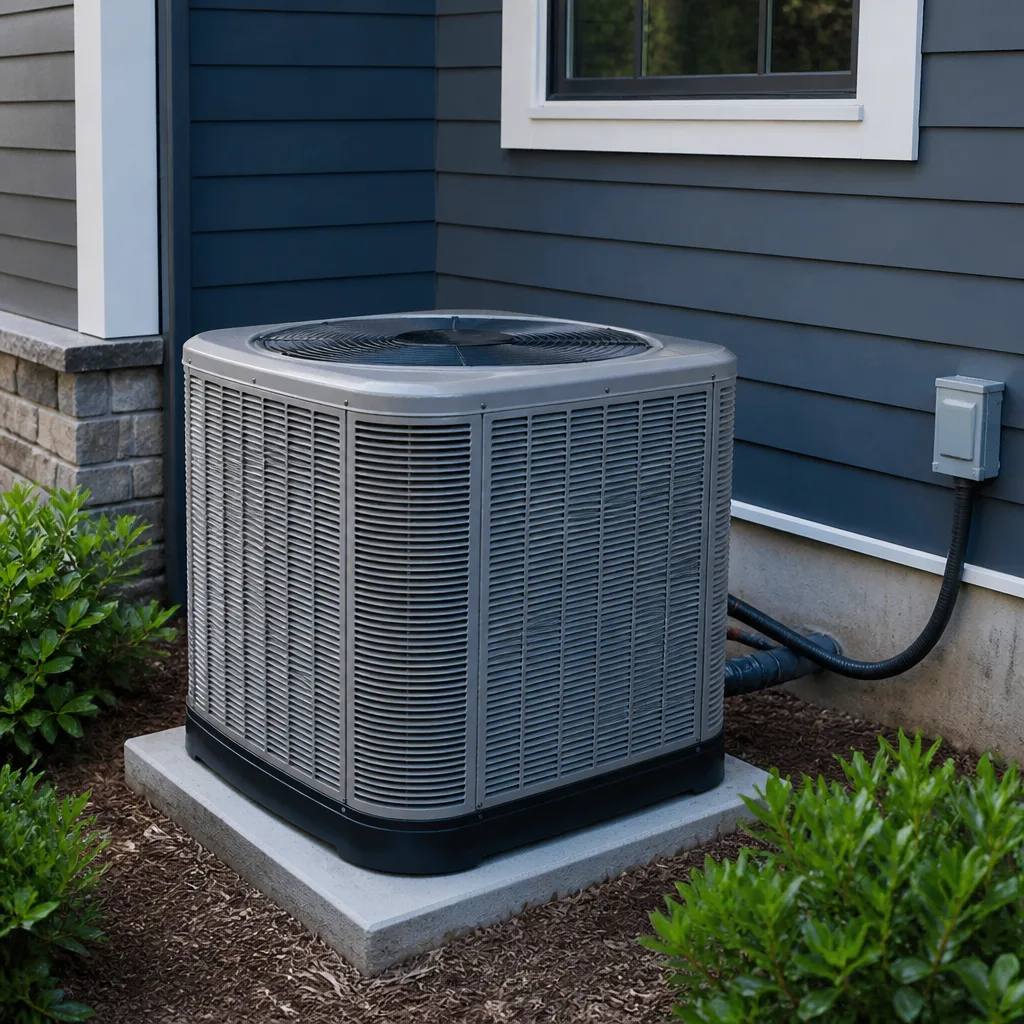 Carrier
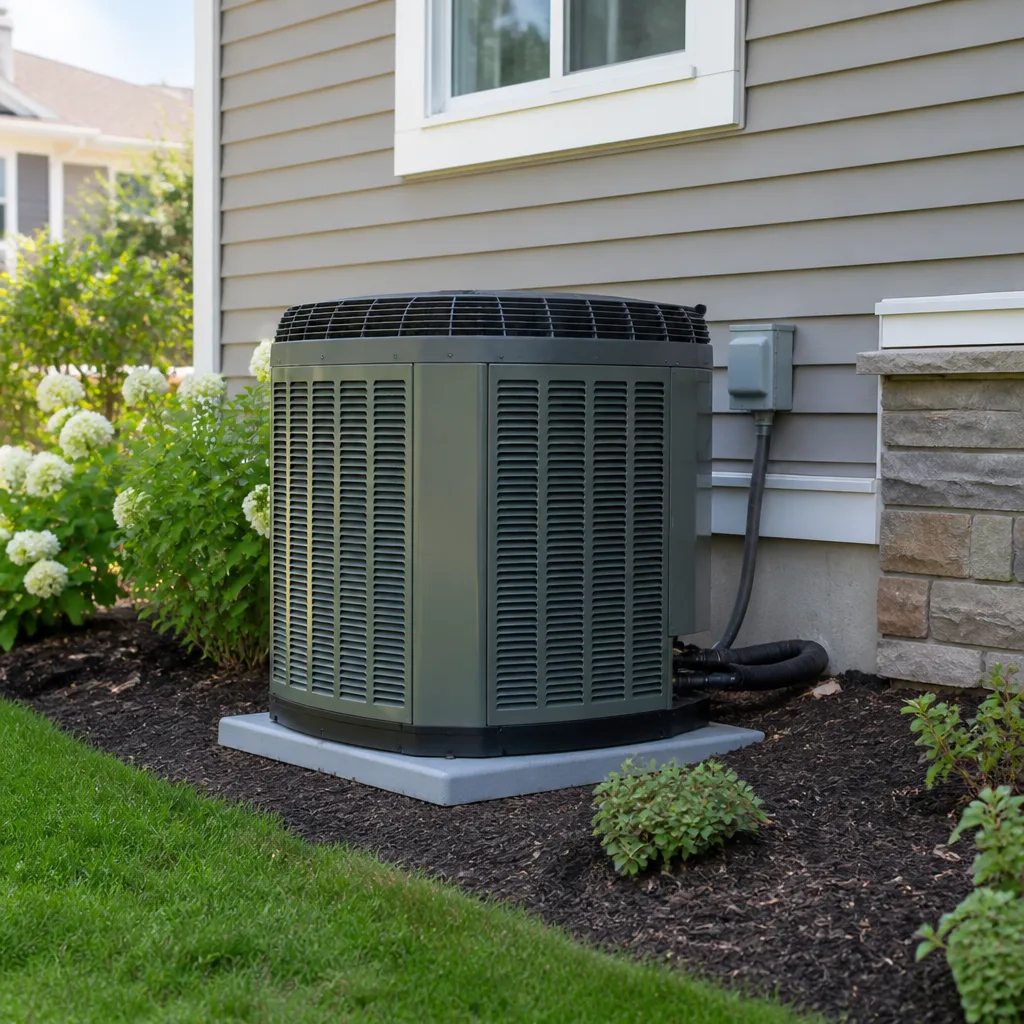 Trane
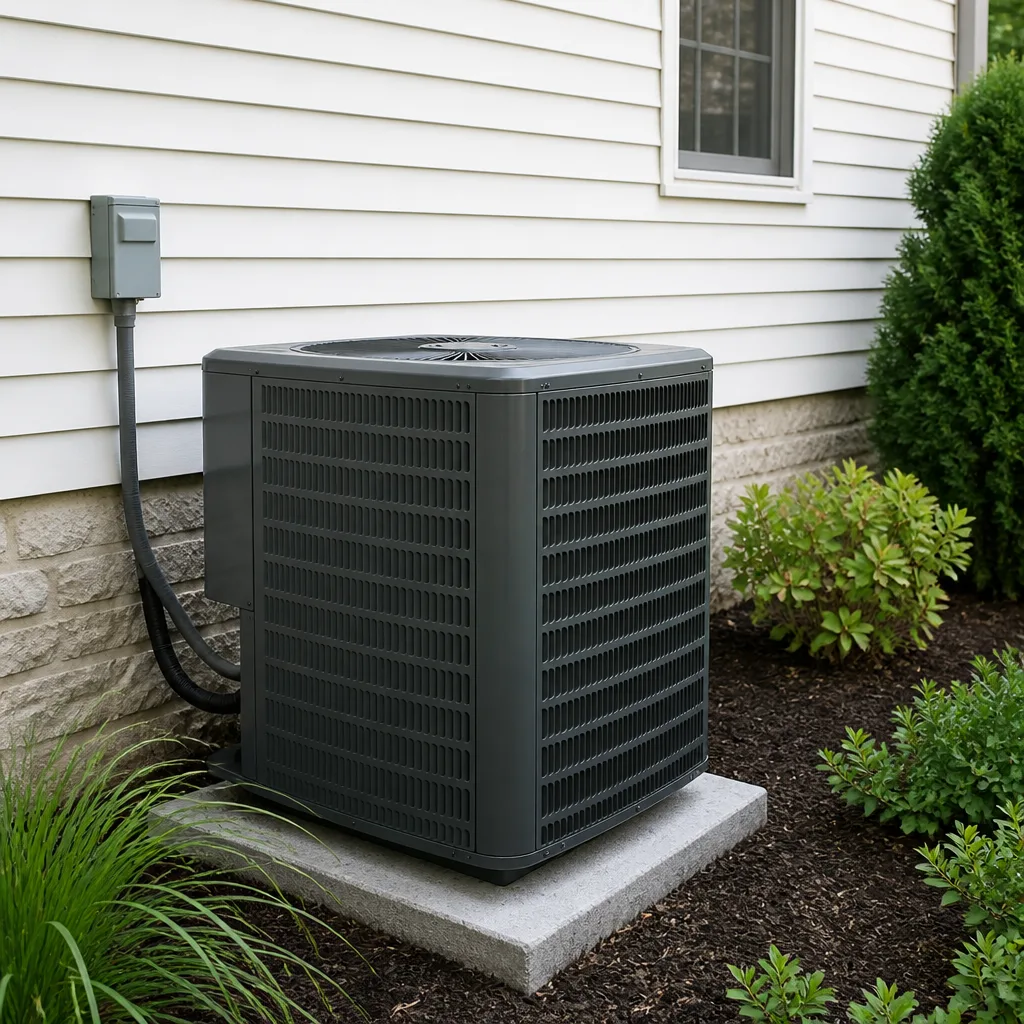 Goodman
Seasonal tune-up and full diagnostic on your Carrier, Trane, or Goodman system - readings shown to you before any repair is proposed
Diagnosis first, numbers second - you approve the repair price before a single part goes in.
Get your free estimateAC Repair Maintenance Schedule: What to Do and When
A Henderson AC system that gets the national-standard once-a-year tune-up is essentially going unserviced. By the time a May appointment rolls around, your condenser has already been running hard for six weeks, and the calendar most maintenance plans are built on was written for a country where summer lasts three months, not nine. We’ve pulled panels off Henderson units in June that hadn’t been touched since the previous August and found coils packed with caliche dust from a single spring haboob. This guide lays out a month-by-month schedule built for the desert, separates the tasks that genuinely extend equipment life from the add-ons that pad a service contract, and shows you how to keep records that hold up when a warranty claim is on the line.
Quick Answer
In Henderson, your AC needs attention on a desert calendar, not a national one: a pre-season check in February or early March, a coil and filter cleaning before Memorial Day, a mid-summer filter change every 30 days through the peak, a post-dust-storm inspection whenever a haboob rolls through, and a full post-season service in October. The single highest-value habit is changing the filter monthly from May through September. The lowest-value line item on most contracts is a “seasonal tune-up” that doesn’t include a coil clean.
Styles & brands we work with
- AC repair
- Furnace & heating
- Heat pumps
- Ductless mini splits
- Carrier
- Trane
- Goodman
Table of Contents
- Why a National Maintenance Schedule Fails in Henderson
- The Henderson Month-by-Month Maintenance Calendar
- High-Value Tasks vs. Low-Value Add-Ons
- The Post-Dust-Storm Checklist for Your Outdoor Unit
- How to Log Maintenance So It Protects Your Warranty
- How to Evaluate a Maintenance Contract
- What You Can Safely Do Yourself
- Common Mistakes to Avoid
Why a National Maintenance Schedule Fails in Henderson
Most maintenance schedules you’ll find online are built around a national average: one spring tune-up, one fall tune-up, and a reminder to change the filter “every one to three months.” That works in a place where the cooling season is short. Henderson isn’t that place. Our cooling season runs from roughly April into October, and we routinely see the first 95-degree days in May. A system that gets its first service in late May has already logged hundreds of hours of hard running with a dirty filter and a coil that’s been collecting dust since fall.
The second reason the national schedule misses is dust. Henderson sits at the edge of the Mojave, and the spring and summer wind events that locals call haboobs push fine, alkaline dust across the valley. That dust doesn’t just sit on top of your outdoor unit; it works into the coil fins and combines with condensation to form a crust that insulates the coil and forces the compressor to work harder. A coil that looks “fine” from three feet away can be significantly blocked at the fin level.
Water is the third factor. Henderson’s water is hard – high in dissolved minerals – and that matters for the condensate drain line that carries moisture away from your indoor unit. Mineral scale builds up in that line over a cooling season, and a clogged drain is one of the most common causes of a mid-summer callout. A maintenance schedule built for soft-water country won’t flag it. Ours does.
The Henderson Month-by-Month Maintenance Calendar
Here’s the calendar we’d give a neighbor. It’s built around our actual weather, not a generic quarterly reminder. Print it, tape it inside a cabinet, and set phone reminders for the first of each month listed.
February – pre-season prep
Book your pre-season service now, before the spring rush fills the schedule. A technician should check refrigerant charge, inspect the capacitor and contactor, test the compressor, clean the condensate drain, and confirm the thermostat is calibrated. This is also the month to replace the filter and clear anything stored against the outdoor unit. Airflow matters, and a unit boxed in by garden supplies runs hotter and less efficiently.
March – coil clean and full inspection
Have the outdoor coil cleaned before the heavy cooling load starts. A proper clean means rinsing the fins from the inside out, not just hosing the front. Ask specifically whether the coil clean is included; some “tune-ups” skip it. This is the appointment where you want the technician to check the capacitor, because capacitors fail more often in heat and a weak one is cheap to replace now and expensive to diagnose on a 108-degree afternoon.
April – first cooling test and filter change
Run the system for a full cycle on a warm day and note how quickly it reaches setpoint. Change the filter. If your system struggled last August, April is the month to address it, not July.
May through September – monthly filter changes
Change the filter every 30 days during peak season. This is the single most important thing a homeowner can do, and it costs a few dollars. In a dusty Henderson summer, a “3-month” filter is often loaded solid in five or six weeks. Mark the first of each month and just do it.
June and July – mid-season check
Mid-season, glance at the outdoor unit after any wind event and confirm the condensate drain is flowing. If you notice water near the indoor unit, call before it becomes a bigger problem. Listen for any change in the sound of the system starting up.
August – the hard month
August is when aging systems fail. If yours is 12 years or older, this is the month to have the refrigerant charge verified and the compressor checked. If you’re weighing repair against replacement, an honest assessment in August beats an emergency decision in a 110-degree week.
September – late-season inspection
Have the system checked once more before the cooling load eases. A technician should confirm the drain is clear and the coil is still clean after the summer dust.
October – post-season shutdown and furnace prep
This is the transition month. Book a post-season AC service to close out the cooling season, and have the heating side checked before the first cold night. A furnace that sat idle since March deserves a look at the burners, the igniter, and the flue. If anything needs repair, our Furnace Repair in Henderson team can take a look before the cold arrives.
High-Value Tasks vs. Low-Value Add-Ons
Not every line item on a maintenance contract earns its place. Here’s how we’d sort them, and why it matters for what you pay each year.
Tasks that genuinely extend equipment life
- Coil cleaning. A clean condenser coil lowers head pressure and reduces compressor strain. In Henderson dust, this is the highest-value task on the list.
- Filter changes on schedule. Restricted airflow is a leading cause of premature blower and compressor failure. Cheap, high-impact.
- Refrigerant charge verification (a check of the cooling fluid level). A system that’s low on charge runs longer and hotter. Catching a slow leak early prevents a compressor failure.
- Capacitor and contactor inspection. These small electrical parts fail in heat. Replacing a weak capacitor during a scheduled visit is far cheaper than a mid-summer emergency call.
- Condensate drain clearing. Henderson’s hard water scales the drain line. A clear drain prevents water damage and shutdowns.
Low-value add-ons that pad some contracts
- “UV light” or “air purifier” installs bundled into a service plan. These are separate products, not maintenance. Ask whether they’re being sold or serviced.
- Repeated “system sanitizing” sprays. Light value unless there’s a specific odor or mold issue.
- Generic “tune-up” that doesn’t include a coil clean. The most common way a cheap contract stays cheap.
- Multiple seasonal visits that repeat the same visual checks. Two visits are fine if both do real work. Two visits of the same checklist isn’t twice the value.
The honest test for any line item: does it touch a component that fails in heat or is stressed by Henderson’s dust and hard water? If not, it’s probably there to make the contract look fuller than it is.
The Post-Dust-Storm Checklist for Your Outdoor Unit
After a haboob rolls through, your outdoor unit needs attention. Here’s what to check, in order. For anything that involves opening the electrical panel or touching the refrigerant lines, stop and call a technician.
- Shut the system off at the thermostat. Don’t let it run with a dust-loaded coil.
- Look at the coil fins. If they’re visibly coated with a tan or grey film, they need cleaning. Fins bent flat by wind-blown debris reduce airflow and should be combed straight by a technician.
- Clear debris from around the unit. Remove tumbleweeds, palm fronds, and any trash that piled up against the cabinet. Keep two feet of clearance on all sides.
- Check the fan blade. Spin it gently by hand with the power off to confirm it turns freely and isn’t packed with debris.
- Inspect the condensate drain. Pour a cup of water into the drain pan and confirm it flows. If it backs up, the line needs clearing.
- Replace the indoor filter. Dust storms load filters fast. Swap it out.
- Restore power and watch one cycle. If the system short-cycles, makes a new noise, or doesn’t reach setpoint, call for service.
We’ve seen a single spring dust event knock a neglected unit offline for days. A 20-minute checklist after the storm prevents most of those calls.
How to Log Maintenance So It Protects Your Warranty
Manufacturers can deny a warranty claim if they can show a system wasn’t maintained. The defense is documentation. Keep a simple maintenance log, either a folder of paper receipts or a shared note on your phone, and record five things for every service visit:
- Date of service. Exact day, not just the month.
- What was done. “Coil cleaned, filter replaced, drain cleared, capacitor tested” – not just “tune-up.”
- Who did it. Company name and the invoice number.
- Parts replaced. Brand and part number if listed on the invoice.
- Readings taken. Refrigerant pressures, capacitor microfarad readings, and temperature split if the technician records them.
That log does two jobs. It protects a warranty claim if a component fails early, and it gives any future technician an accurate service history so they aren’t guessing. When you sell a home, a clean maintenance log is also a selling point. Our AC Repair in Henderson team leaves a written record of every visit, and every repair carries the 365-Day Done Right Promise: a written guarantee that if the repair fails within a full year, we return and correct it at no charge. That guarantee is on paper before the technician leaves, which means it’s already in your log.
How to Evaluate a Maintenance Contract
Maintenance contracts can be a fair deal or a loss-leader that leads to upselling during the visit. Here’s how to tell the difference before you sign.
- Does the price cover a coil clean? If the contract’s “tune-up” is a visual check and a filter swap, it’s thin. Ask for the checklist in writing.
- Is the visit count realistic? Two visits a year is standard and reasonable. Four visits is overkill unless each does real work.
- Are parts and labor included, or extra? A contract that excludes labor on every part replacement isn’t a maintenance plan; it’s a discount card. Know which you’re buying.
- What’s the cancellation policy? You should be able to leave if the service disappoints.
- Are there upsell incentives tied to the visit? If the contract is priced below the cost of the work, the business has to make it up somewhere. That somewhere is usually the technician’s upsell quota.
We don’t push maintenance contracts. Our approach is simpler: a written price before any work begins, a firm arrival window, and a written guarantee on every repair. If a contract’s numbers only work because of what it sells you during the visit, it’s priced wrong.
What You Can Safely Do Yourself
Some maintenance is genuinely homeowner work. Some of it isn’t, and the line matters for your safety.
Safe to do yourself
- Change the filter monthly during cooling season.
- Clear debris from around the outdoor unit.
- Rinse the outdoor coil with a garden hose from the inside out (power off first).
- Check and clear the condensate drain with water.
- Keep the thermostat set to a consistent temperature and change batteries annually.
- Log every visit and keep invoices.
Call a professional for
- Anything inside the electrical panel or involving the capacitor, contactor, or compressor wiring. These hold a lethal charge and can shock even with the disconnect pulled.
- Refrigerant handling. Refrigerant is regulated, requires a license to handle, and is under pressure. Never attempt to add or recover it yourself.
- Any gas furnace work. Gas lines and burners can cause carbon monoxide leaks and fire. This is not homeowner territory.
- Coil combing and deep cleans that require removing panels.
If a task involves opening a panel, touching wiring, or anything with gas, stop and call. The savings aren’t worth the risk.
Common Mistakes to Avoid
- Following a national calendar. A May tune-up in Henderson is too late. The system has already run hard for six weeks. Book pre-season service in February or early March.
- Trusting a “3-month” filter in summer. Henderson dust loads filters in five or six weeks during peak season. Change monthly from May through September.
- Skipping the coil clean to save a few dollars. A dirty coil is the number one reason a Henderson system runs hot and fails early. It’s the highest-value task on the list.
- Ignoring the condensate drain. Hard water scales the line, and a clogged drain causes water damage and shutdowns. Check it after every service visit.
- Not logging maintenance. Without a written record, a warranty claim can be denied for “lack of maintenance.” Keep every invoice and note what was actually done.
- Signing a contract without seeing the checklist. If the “tune-up” doesn’t include a coil clean and a drain check, it’s not maintenance; it’s a filter swap.
- Waiting until August to address an aging system. August is when old units fail. If yours is 12 years or older, have it assessed in spring. A planned AC Installation in Henderson beats an emergency replacement in a heat wave.
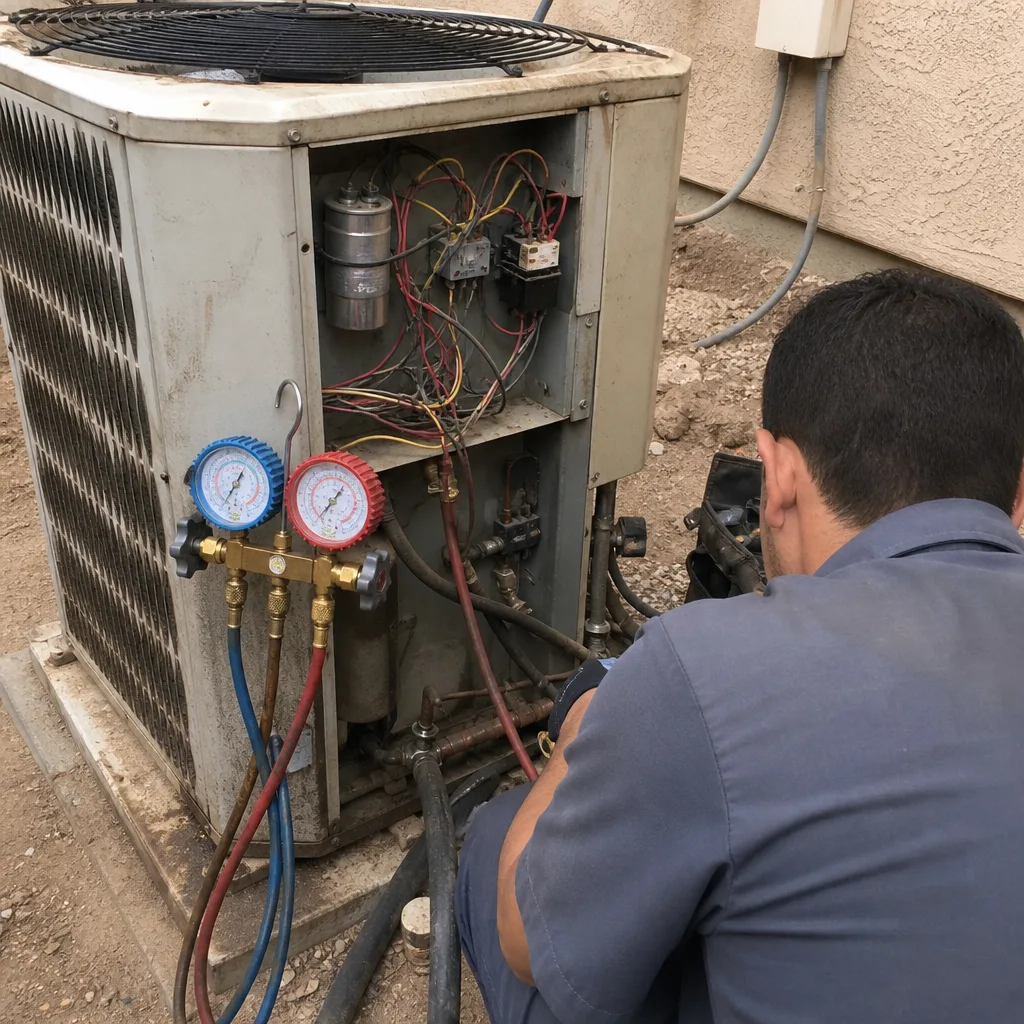
See the difference
 Before
 After
 Before
 After
 Before
 After
When to Call a Professional
Call for service when your system short-cycles, blows warm air, makes a new noise on startup, or leaves water near the indoor unit. Call if your outdoor coil looks coated after a dust storm and hosing it doesn’t clear it. Call if your system is 12 years or older and struggled last summer. Call if you smell gas near the furnace, which is a same-day emergency. And call if your maintenance log shows a repair that’s still under warranty and acting up – a written guarantee should mean the technician comes back at no charge, and ours does. Coldharbour Heating & Air Henderson offers free estimates in Henderson – call (844) 797-5122. Our technicians have up to 23 years of experience and are trained on Carrier, Trane, Bryant, and American Standard systems, so whoever shows up can work on what you already own.
Frequently Asked Questions
Twice a year on a Henderson calendar: a pre-season service in February or March and a post-season service in October, plus monthly filter changes during cooling season. A single annual tune-up misses the peak-load window, because our cooling season starts in April and runs into October, well before a May appointment.
Yes. During peak cooling season, change it every 30 days regardless of what the package recommends. Henderson dust loads filters faster than the national average, and a loaded filter restricts airflow and strains the blower. The package guidance assumes cleaner air than we have.
Shut the system off at the thermostat, clear debris from around the outdoor unit, rinse the coil with a garden hose from the inside out with the power off, replace the indoor filter, and check the condensate drain. If the coil is crusted, the fins are bent, or the system short-cycles after restart, call a technician.
Only if it covers real work. A contract is worth it when the price includes a coil clean, a drain check, and a refrigerant charge verification. It’s a poor deal when the “tune-up” is a visual check and the business makes its money on upsells during the visit. Ask for the checklist in writing before you sign.
It can. Manufacturers can deny a claim if they can show a system wasn’t maintained, which is why a written log matters. Keep every invoice, note what was actually done, and record the date of each visit. A repair covered by our 365-Day Done Right Promise is also documented on paper before the technician leaves, so it goes straight into your log.
You can rinse it with a garden hose from the inside out with the power off, and that helps after a light dust event. You shouldn’t remove panels, comb fins, or touch any wiring. For a deep clean or a crusted coil after a heavy haboob, call a technician. The electrical components inside carry a dangerous charge even with the disconnect pulled.
The Bottom Line
Henderson isn’t a national-average HVAC market, and your maintenance schedule shouldn’t be either. Book pre-season service in February, clean the coil before Memorial Day, change the filter every 30 days through the peak, inspect after every dust storm, and close out the season in October with a furnace check. Sort your contract’s line items by whether they touch a component that fails in heat or is stressed by our dust and hard water; skip the ones that don’t. Log every visit. And when something goes wrong, call a company that puts the price and the guarantee in writing before the technician leaves. That’s how you get a system that lasts through Henderson summers. If you’d rather hand the whole calendar to a team that knows this valley’s climate, we’re here. You can start with our Coldharbour Heating & Air Henderson home page or just call us.
Call Coldharbour Heating & Air Henderson at (844) 797-5122 for a free estimate. A live person answers the phone 24 hours a day, every day, and we’ll hand you a written price before any work begins. That’s The Kingswell Way.
Written by the team at Coldharbour Heating & Air Henderson.