
Last updated November 17, 2026
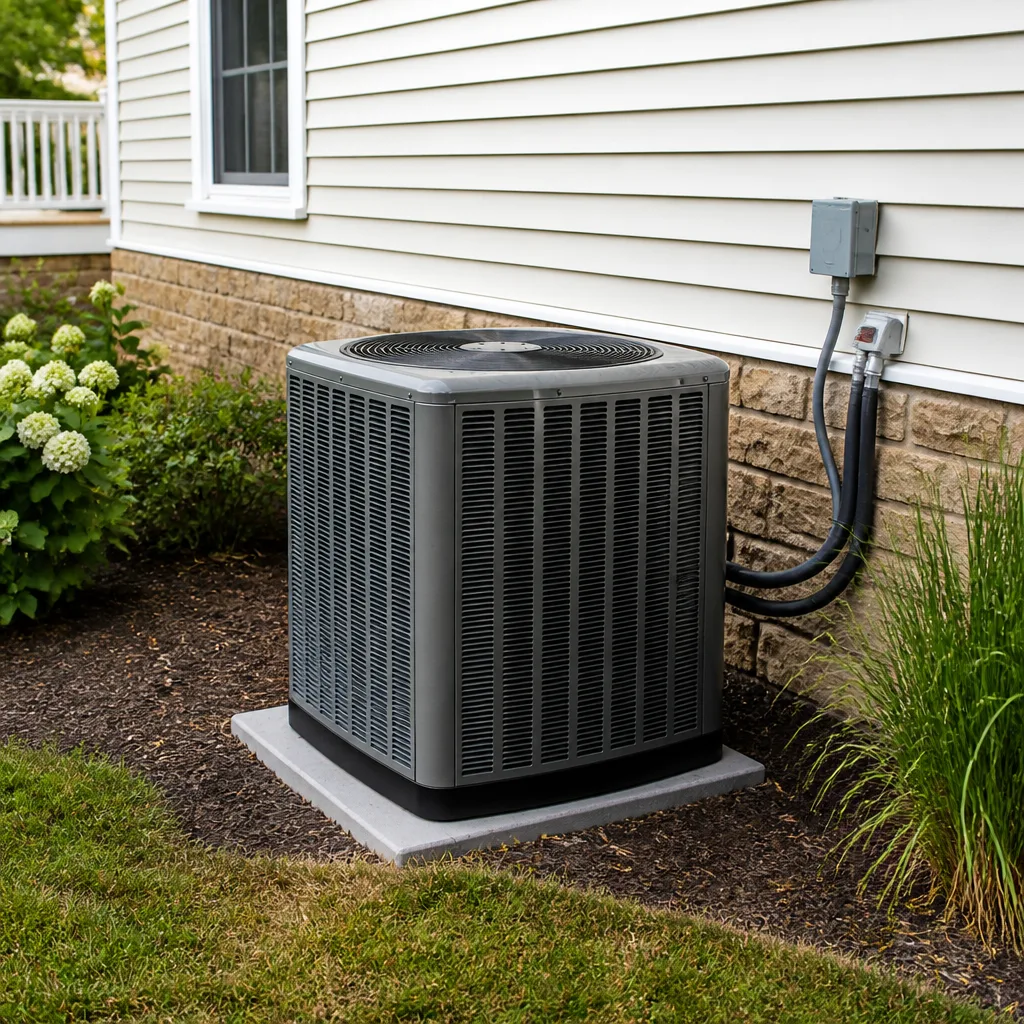 AC repair
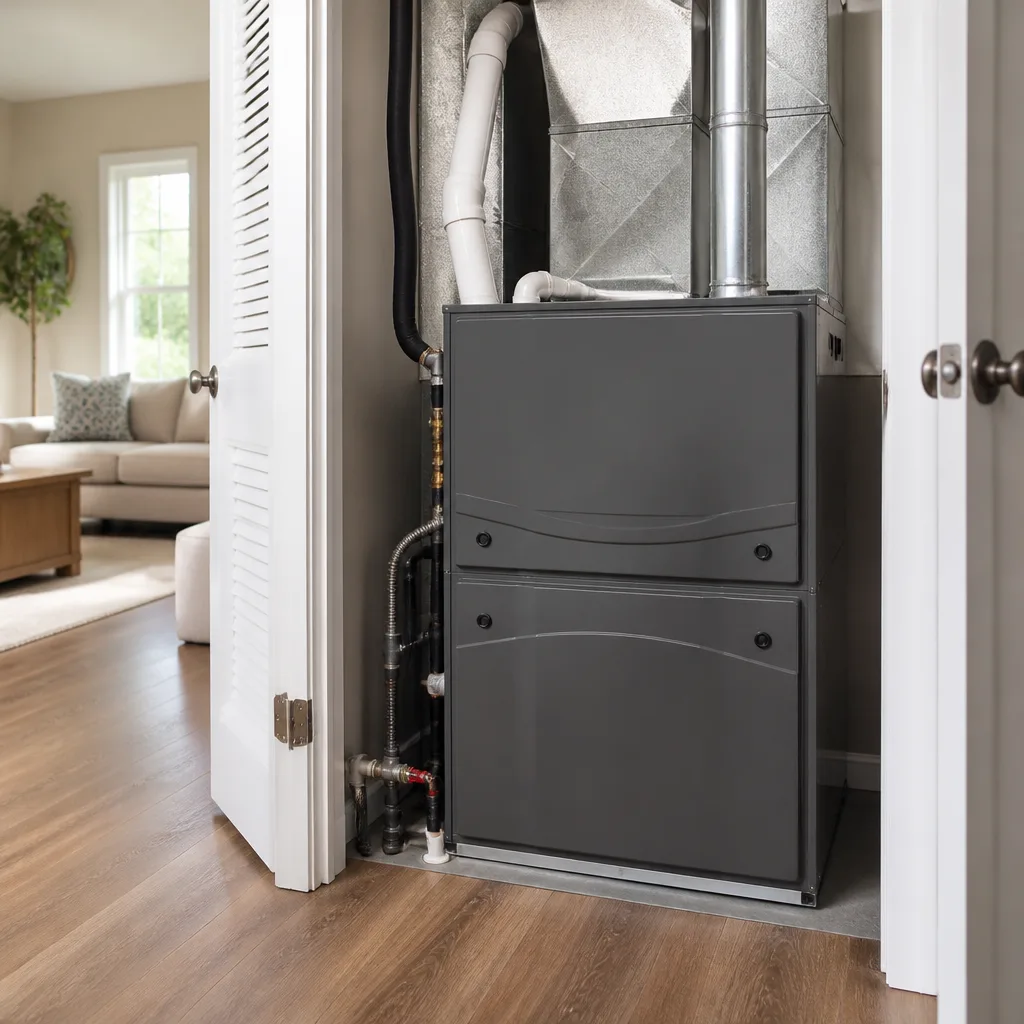 Furnace & heating
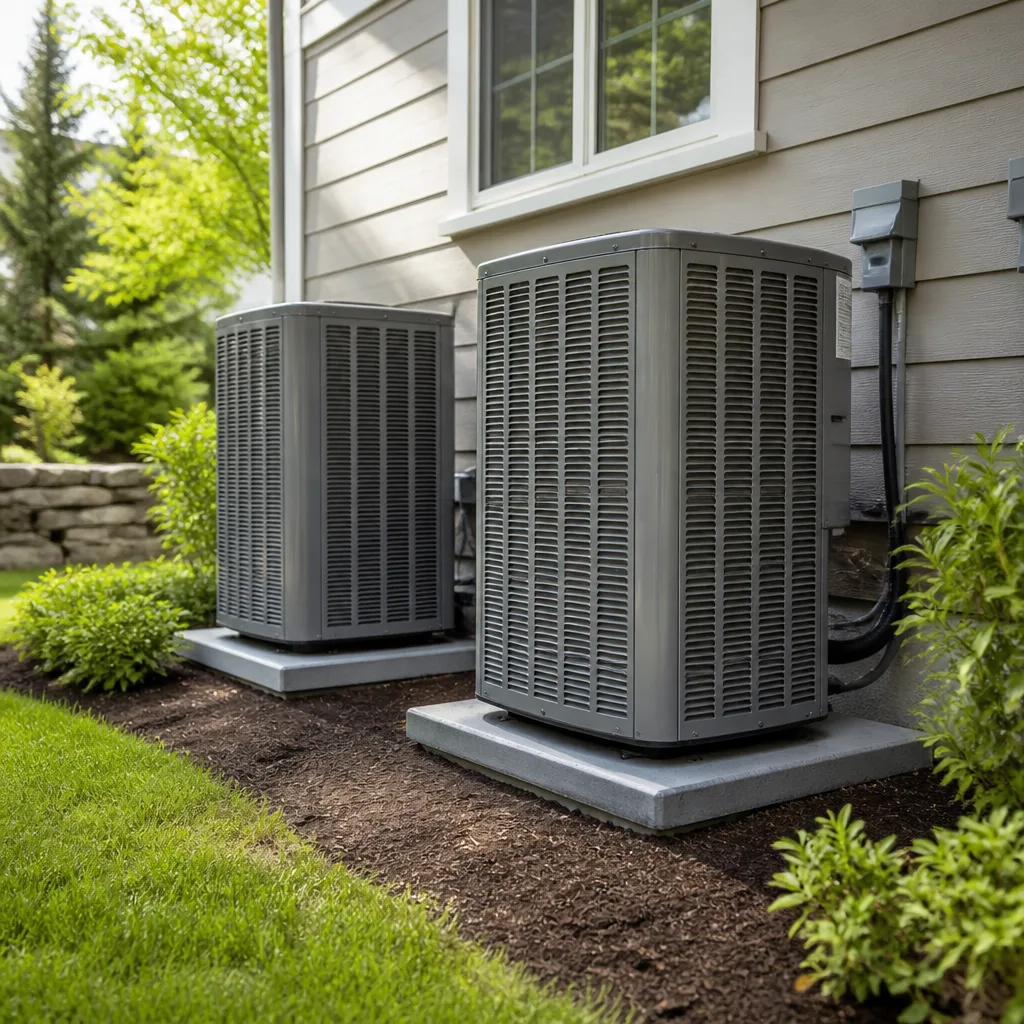 Heat pumps
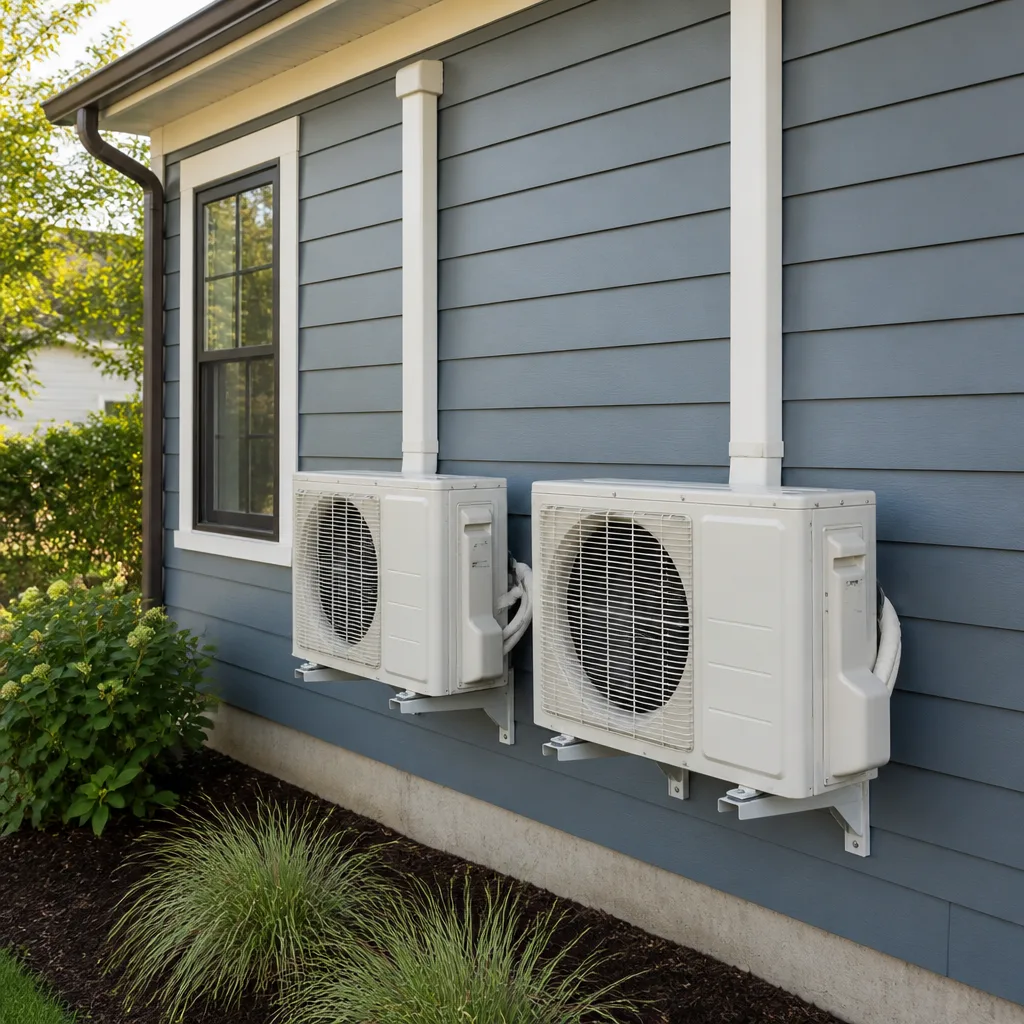 Ductless mini splits
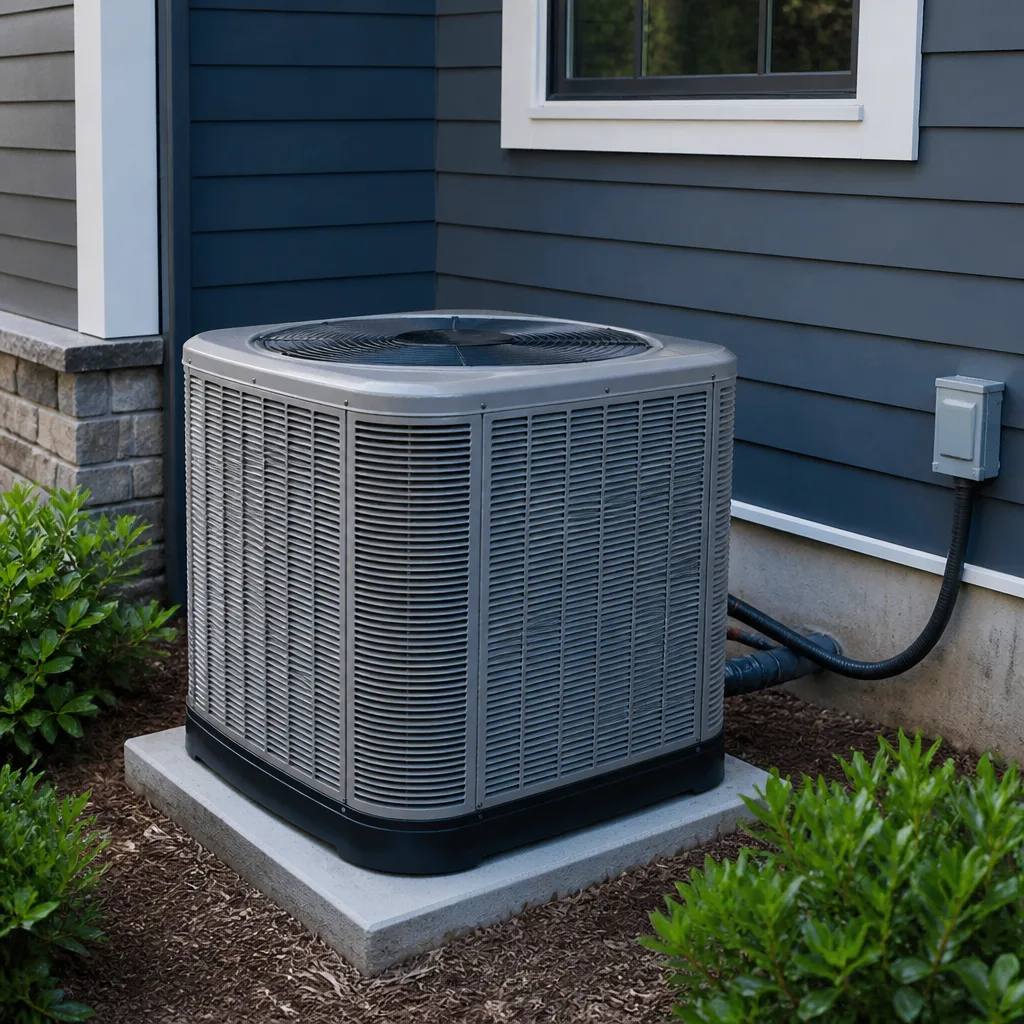 Carrier
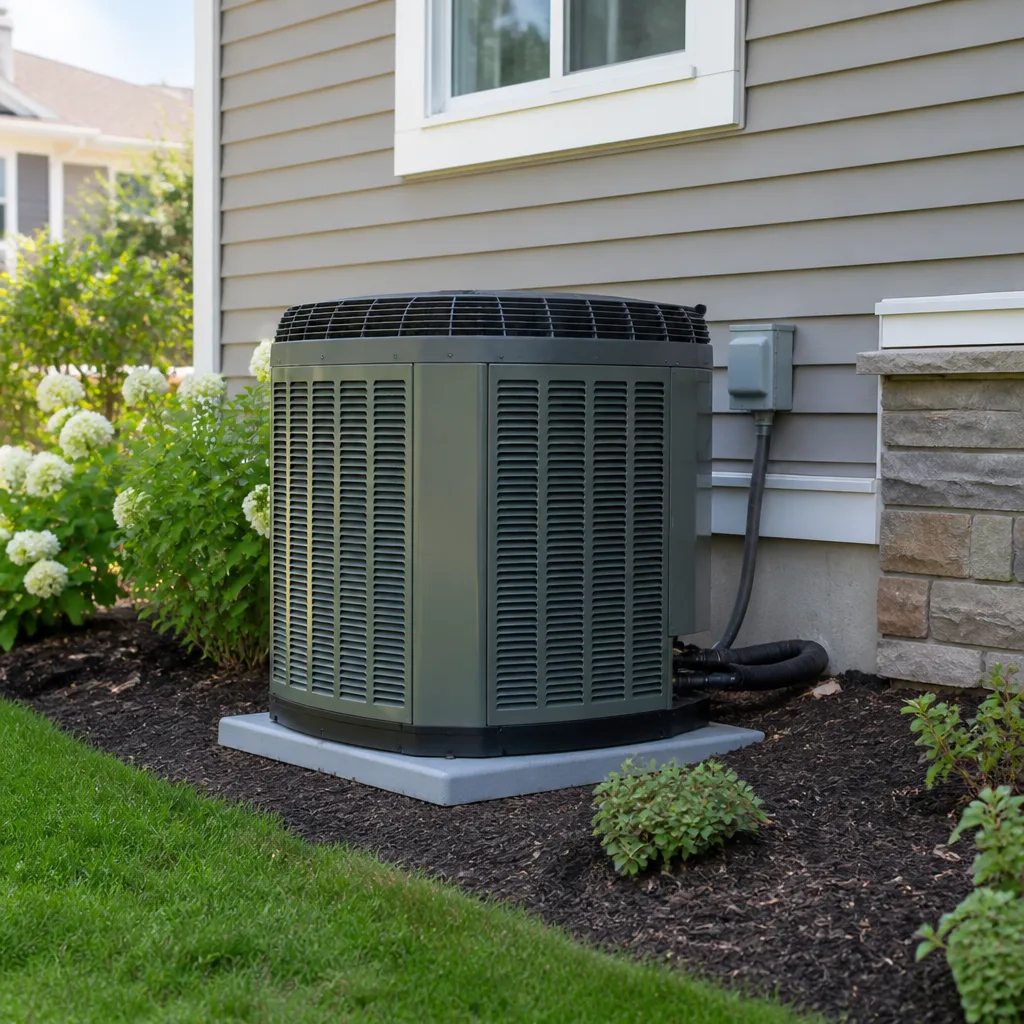 Trane
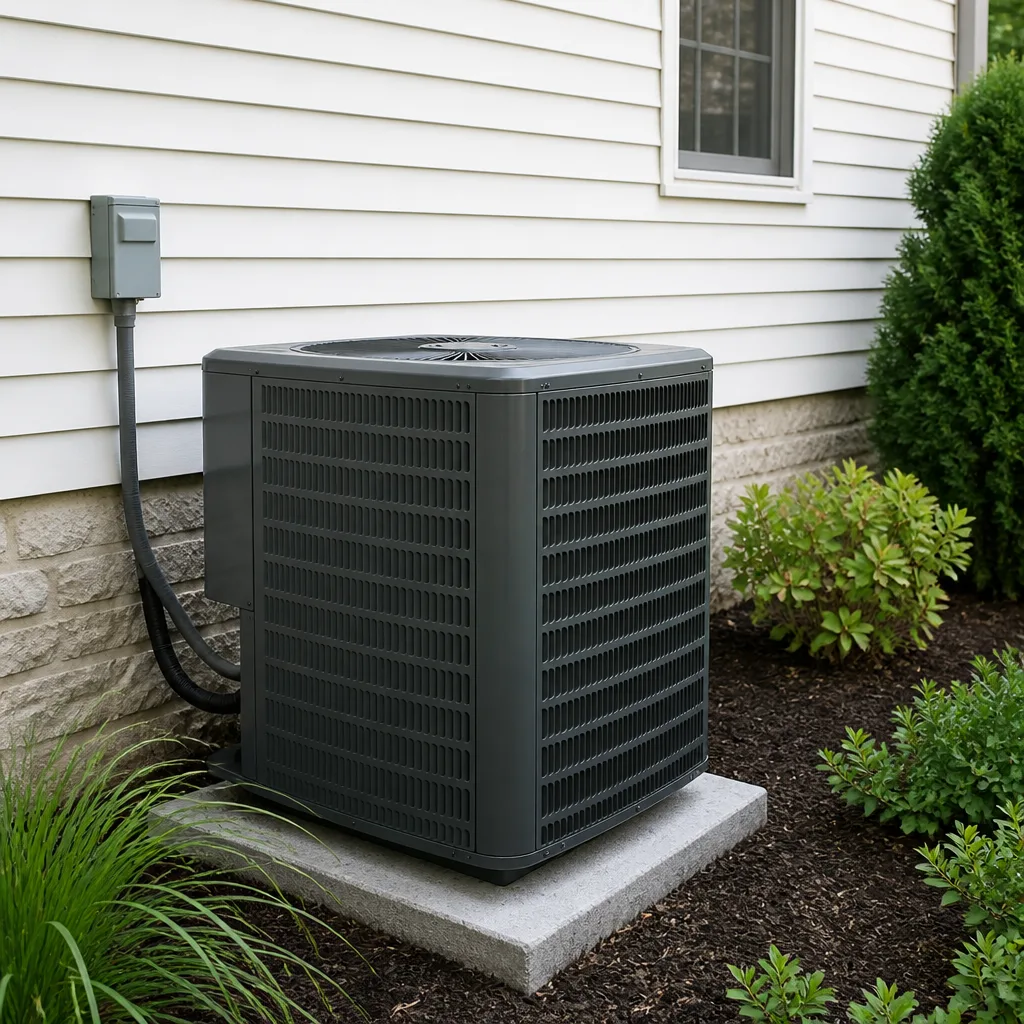 Goodman
Seasonal tune-up and full diagnostic on your Carrier, Trane, or Goodman system - readings shown to you before any repair is proposed
Diagnosis first, numbers second - you approve the repair price before a single part goes in.
Get your free estimateFurnace Repair Maintenance Schedule: What to Do and When
If you schedule furnace maintenance in December in Henderson, you’re scheduling it after your furnace has already been running for six weeks. That’s the part most homeowners don’t realize: Henderson’s heating season is short and sharp, compressed into roughly December through February, with the real cold arriving fast and leaving just as fast. The window to prepare for it opens in October, before the first cold snap, when there’s still time to fix whatever the inspection turns up. This guide lays out a full-year furnace maintenance schedule built around that reality – what to do in October, what to do when heating season ends in February, and what to do during the long dormant months in between.
Quick Answer
The short version: do a pre-season furnace check in mid-October, before you first turn the heat on, and a post-season check in February or early March, right after heating season ends. In between, replace the filter every one to three months and leave the system alone. For Henderson homeowners, October is the single most important maintenance month – miss it and you’re troubleshooting a broken furnace in the cold instead of preventing a breakdown before it starts.
Styles & brands we work with
- AC repair
- Furnace & heating
- Heat pumps
- Ductless mini splits
- Carrier
- Trane
- Goodman
Table of Contents
- Why October Is the Only Maintenance Window That Matters in Henderson
- The October Pre-Season Checklist
- How to Check a Heat Exchanger at Home
- The February Post-Season Check
- What Happens During Eight Months of Summer Dormancy
- What a Legitimate Furnace Maintenance Visit Should Include
- Building a Simple Service Log for Your Furnace
- Common Mistakes to Avoid
Why October Is the Only Maintenance Window That Matters in Henderson
Henderson’s climate does something to furnaces that most national HVAC advice ignores. The system sits idle for most of the year – through an eight-month stretch of desert heat where the AC runs constantly and the furnace does nothing. Then, almost overnight, temperatures drop, and the furnace is expected to fire up and run reliably for a compressed three-month heating season. A furnace that sat untouched for eight months and then gets switched on for the first time in December has no margin for error. If something failed during dormancy, you find out on the coldest night of the year, standing in front of a cold vent.
Scheduling maintenance in October flips that. You’re checking the system before it carries any load, when the technician has time to source parts, when the weather is mild enough that a repair isn’t an emergency, and when a failed component gets replaced on your schedule instead of at 11 p.m. on a holiday. In our experience, the furnaces that fail on the first cold snap of the year are almost always the ones that skipped the October check.
There’s a second reason October works. Henderson’s heating season typically starts in late November or early December, so an October visit lands roughly four to six weeks before you actually need heat. That’s enough time to order a part if one’s needed, get a second opinion, or make a repair-or-replace decision without pressure.
The October Pre-Season Checklist
This is the core of the schedule. Do these five things in mid-October, before the first time you turn the heat on. A few are things you can handle yourself; the rest belong to a technician.
- Replace the air filter. A dirty filter is the most common cause of a furnace that runs but doesn’t heat well, and after eight months of sitting it’s likely clogged with dust. Check the size printed on the old filter’s frame and swap it out. During heating season, plan to replace it every one to three months depending on pets and dust.
- Schedule a burner and combustion inspection. The burner assembly, ignition system, and flame sensor need to be looked at by someone who knows what a healthy flame looks like versus a weak or yellow one. This is a technician task, not a homeowner one.
- Check the flue and vent for clearance. The flue is the pipe that carries exhaust gases out of your home. It needs to be clear of debris, nests, and blockages – in Henderson, that sometimes means bird nests or built-up dust in the venting. A blocked flue can push carbon monoxide back into the house.
- Test the thermostat calibration. Set the thermostat to heat and confirm it actually triggers the furnace. With smart thermostats, check that the schedule and settings survived the summer. A thermostat that reads a few degrees off will make the furnace run longer than it should.
- Test every carbon monoxide detector in the home. Press the test button on each unit and confirm the alarm sounds. Replace batteries if needed, and check the manufacture date – most CO detectors need replacing every five to ten years.
If your furnace is a Lennox, Goodman, Rheem, or York unit – all common in Henderson homes – most technicians are trained to service them directly, but confirm before you book. Our team is trained on nine major residential brands, so the technician who arrives can work on whatever system is already installed.
How to Check a Heat Exchanger at Home
A cracked heat exchanger is the one furnace problem that can turn dangerous, because it can let carbon monoxide leak into the air your family breathes. You can do a basic visual check yourself with a candle or incense stick – but treat it as a first-look alarm, not a certification of safety.
- Turn the thermostat to heat and let the furnace run for a few minutes until the burners are lit.
- Locate the supply registers – the vents where warm air comes into the rooms.
- Hold a lit incense stick or candle near the register and watch the flame or smoke. A steady flame pulling toward the vent is normal. A flame that flickers, wavers, or gets blown outward suggests air flowing the wrong direction, which can point to a cracked heat exchanger.
- Repeat at two or three registers across the home. An inconsistent result is worth a professional look.
The flame test is useful but limited – it can miss small cracks. A proper heat exchanger inspection involves a technician using a camera and combustion analysis. If your flame test looks even slightly off, or if anyone in the home has been getting unexplained headaches, nausea, or drowsiness, turn the furnace off and call a professional before running it again. We cover furnace repair in detail on our Furnace Repair in Henderson page.
The February Post-Season Check
Heating season in Henderson usually winds down in February or early March. That’s the second maintenance milestone, and it matters for a different reason than October: you’re not preparing the furnace to work, you’re preparing it to sit. A furnace that goes into dormancy with dirt, moisture, or a small unresolved issue will often fail at the start of the next heating season, not during this one.
The February tasks are lighter than the October ones:
- Change the filter one more time so it isn’t sitting dirty through the summer.
- Have the burners and blower cleaned so dust and debris don’t settle and harden over eight months.
- Ask the technician to confirm the flue and venting are clear before the system goes quiet, so any issue gets fixed while the weather cooperates.
- Note the condition of the system in your service log (more on that below) – what was checked, what was replaced, what to watch for next October.
- Turn the thermostat to off or cool mode for the summer, and lock out heat mode so it doesn’t kick on accidentally during a cool morning.
For most Henderson homeowners, the February check can be a lighter, less expensive visit than October’s. It’s the cleanup before the long sleep, not the preparation for battle. Call us to schedule one before the season ends – a free estimate for any work found is part of the visit.
What Happens During Eight Months of Summer Dormancy
This is where Henderson’s schedule diverges most from national advice. Most furnace maintenance guides assume a furnace runs year-round or alternates with the AC through four seasons. In Henderson, the furnace often sits completely unused from March through November – eight months of heat, dust, and dry air. That idle period is not neutral. Several things happen while the furnace waits:
- Dust accumulation. Desert dust settles into the burner compartment, the blower, and the flame sensor. A film of dust on the flame sensor is one of the most common causes of a furnace that won’t fire in December.
- Seal and gasket drying. Rubber gaskets and seals can dry and crack in dry summer heat, which can lead to small leaks by the time heating season arrives.
- Pest intrusion. With the vents and flue unused, insects, birds, or rodents occasionally take up residence – one reason the October flue check matters.
- Thermostat drift. A thermostat that’s been idle for months may need recalibration by October.
The practical takeaway: dormancy isn’t a rest period for the furnace, it’s a slow accumulation of small issues. The October check catches all of them in one visit, which is exactly why skipping it costs more than it saves. If you want a full picture of what furnace problems look like in Henderson specifically, see our guide to Coldharbour Heating & Air Henderson home.
What a Legitimate Furnace Maintenance Visit Should Include
Not every “furnace tune-up” is the same. Some technicians do a thorough inspection and clean; others run a fifteen-minute check and hand you an invoice with line items you can’t identify. Here’s what a legitimate maintenance visit should cover, and how to tell when an invoice is padded.
What a real maintenance visit includes:
- A visual inspection of the burners, heat exchanger, and flue
- Cleaning of the burner assembly and flame sensor
- A filter check (replacement may be a separate charge)
- Combustion analysis on gas furnaces
- A thermostat calibration check
- A written report of what was found, including anything that needs future attention
Line items that signal padding: a “system flush” or “coil treatment” on a furnace-only visit (those are typically AC services, not furnace ones); a charge for “recalibrating” a thermostat that wasn’t tested first; unnecessary replacement of a working flame sensor; or any charge added after the visit without a written price beforehand. Our standard is simple: the written price is in your hands before a single tool comes out, and it doesn’t change at the door. That’s one of the reasons our work is covered by the 365-Day Done Right Promise – if a repair fails within a full year, we come back and fix it at no charge.
If you’re in the middle of choosing a repair or a replacement rather than a tune-up, our AC Installation in Henderson page walks through what a full system replacement involves – the same scheduling and written-price standards apply.
Building a Simple Service Log for Your Furnace
A service log is exactly what it sounds like: a written record of every maintenance visit, repair, and filter change on the system. It takes five minutes to start and pays off in two ways – it makes warranty claims far easier, and it gives every future technician an accurate picture of the furnace’s history instead of guessing.
Here’s a simple format you can keep on paper in the utility closet or in a notes app:
- Date of service
- Who performed it (company name and what was done)
- Parts replaced or noted for future replacement
- Any test results – combustion readings, thermostat calibration
- What the technician said to watch for before next service
That last point matters more than most homeowners expect. If a technician flags a burner that’s starting to wear, the log tells the next technician in February exactly where to look, instead of starting from zero. It also helps when a repair fails inside a guarantee period – the paperwork traces precisely what was done and when. Keep the written guarantee and the invoice with the log; it’s the same reason we issue a written guarantee on every repair rather than a verbal promise.
Common Mistakes to Avoid
- Waiting until December to schedule maintenance. In Henderson, that’s already six weeks into the heating season, and if a part is needed you’re waiting for it in the cold. Book October.
- Skipping the February post-season check. A furnace that goes into eight months of dormancy with a dirty filter or unresolved issue is far more likely to fail in October.
- Running a furnace with a clogged filter. A dust-clogged filter forces the furnace to work harder and can shorten its life, and after a Henderson summer the filter is usually overdue.
- Testing the heat exchanger with a candle and calling it done. The flame test is a first-look check, not a substitute for a proper inspection. If anything looks off, call a professional.
- Ignoring a carbon monoxide detector that’s expired. Most units need replacing every five to ten years, and an expired detector isn’t protecting anyone.
- Paying for a “tune-up” that skips the written report. If you don’t get a written summary of what was checked and what was found, you don’t have a maintenance record – you have an invoice.
- Letting the thermostat stay in heat mode all summer. A cool morning can turn the furnace on accidentally, and you won’t know until the next bill arrives.
See the difference
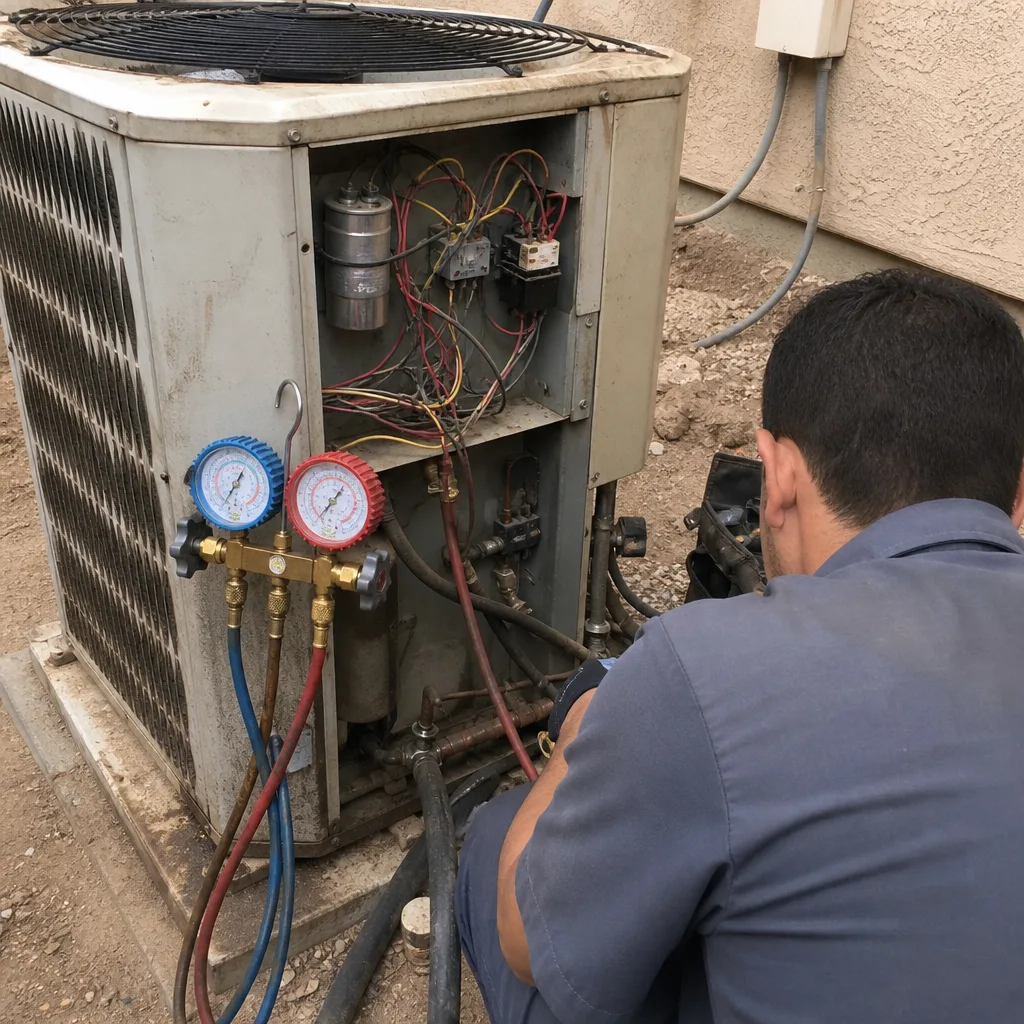 Before
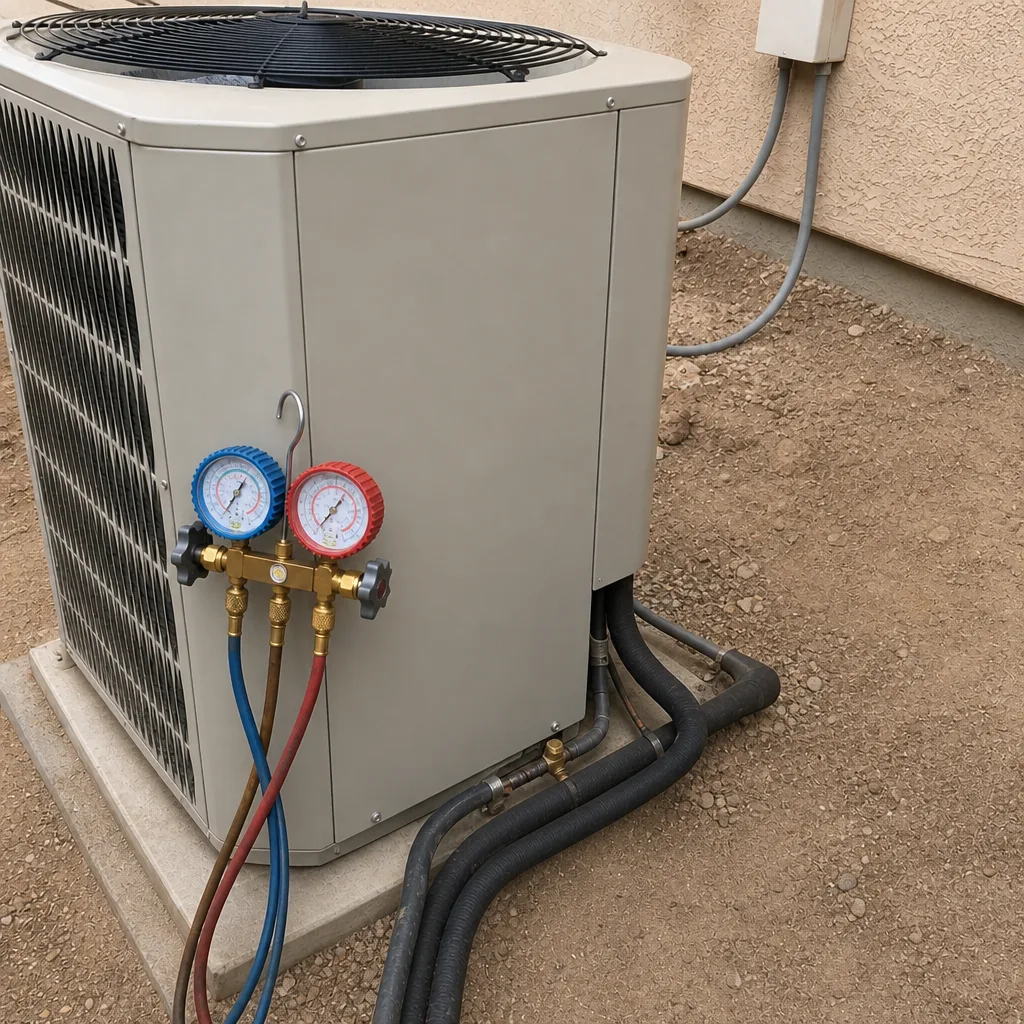 After
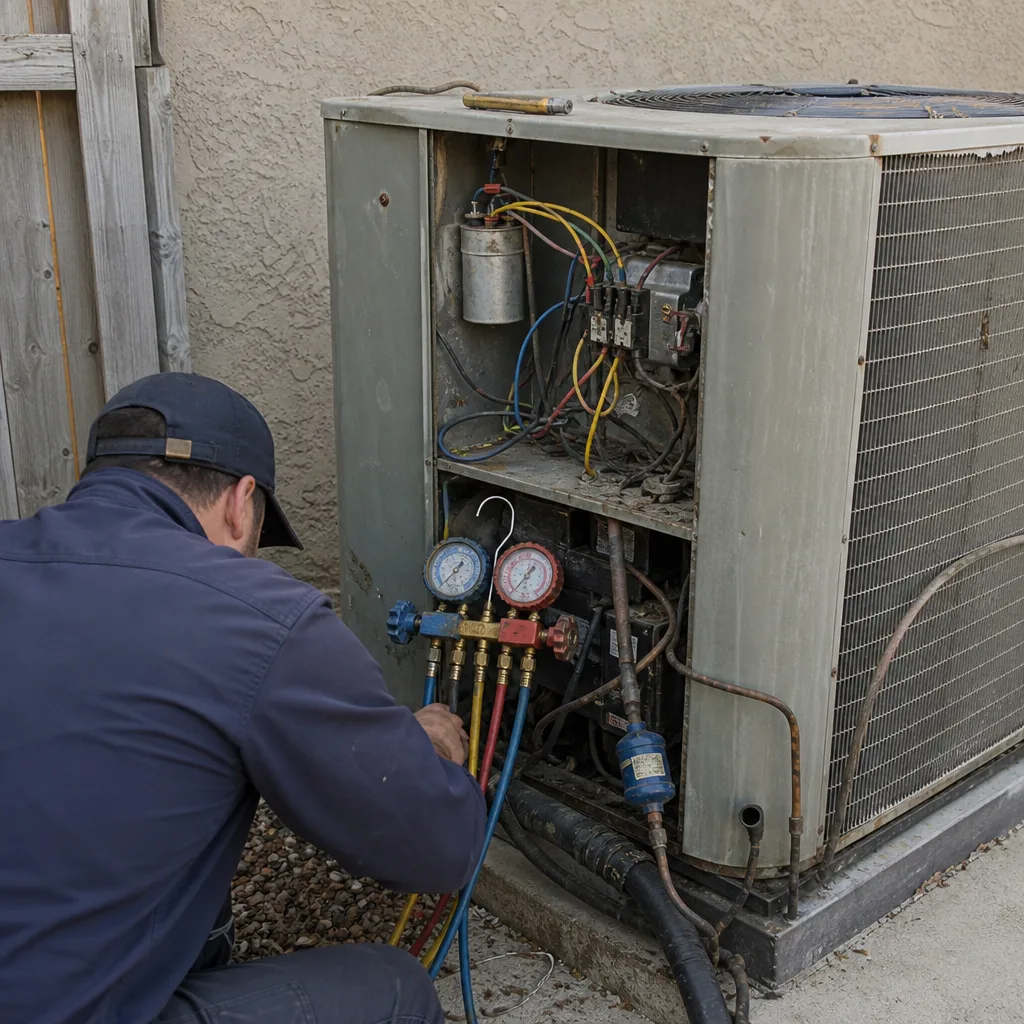 Before
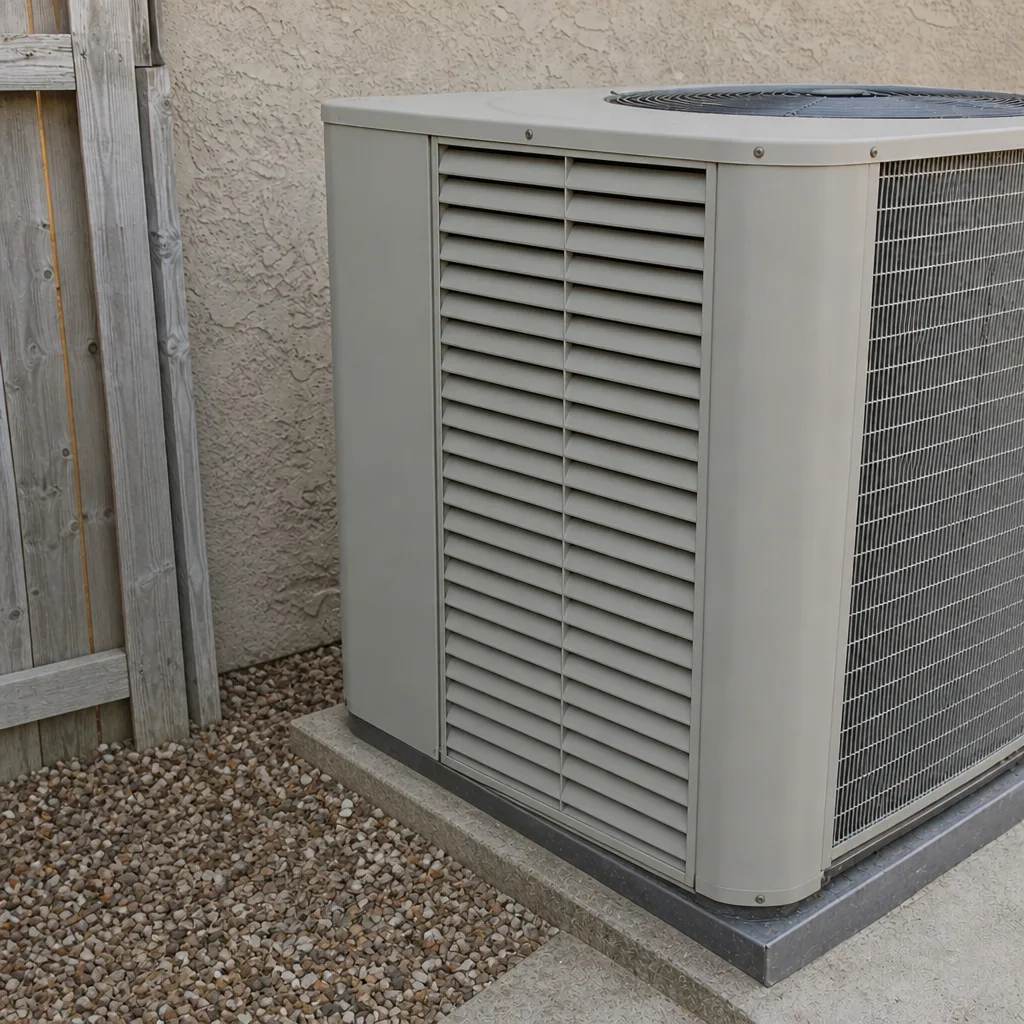 After
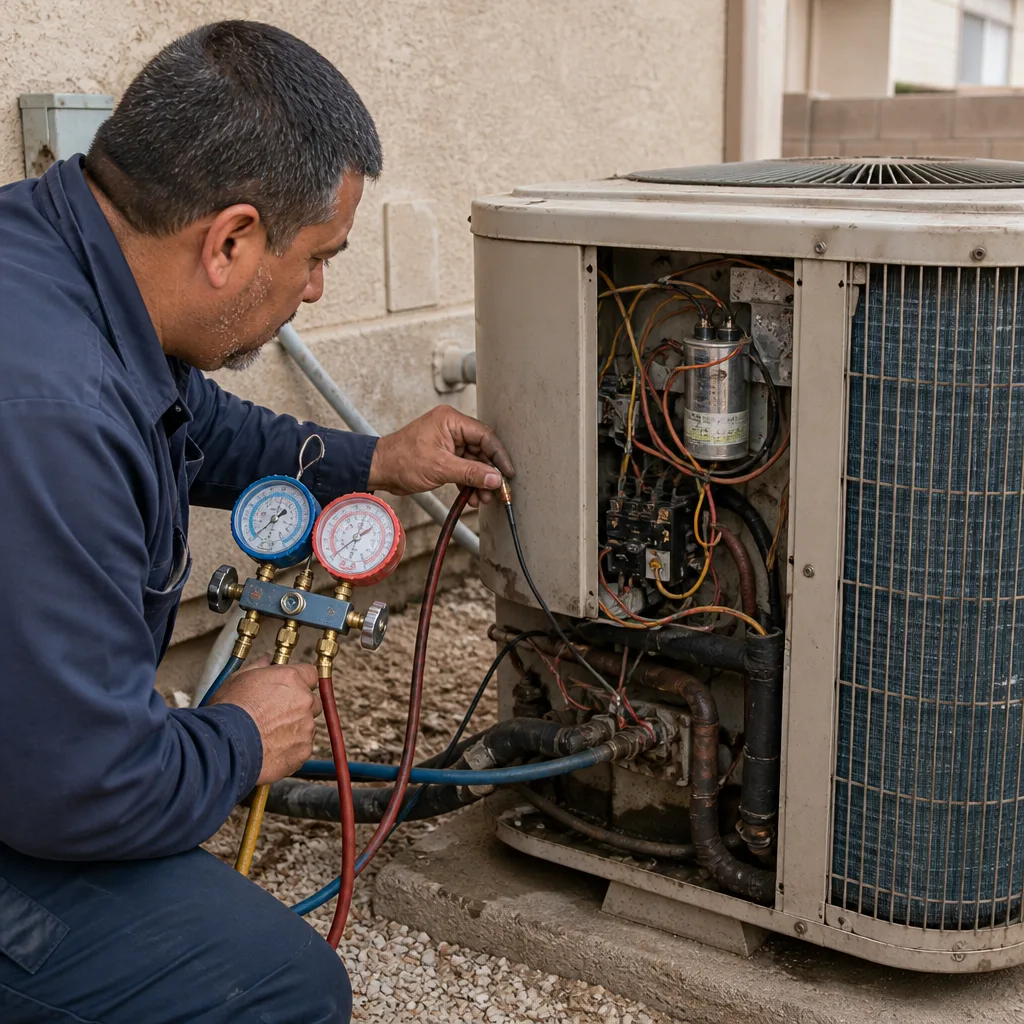 Before
 After
When to Call a Professional
Some furnace issues are genuinely dangerous and shouldn’t wait for your October appointment. Call a professional immediately if you smell gas near the furnace, if your carbon monoxide detector alarms, if you see a yellow or orange flame instead of a steady blue one, or if the furnace makes a loud popping or banging sound on startup. Any crack in the heat exchanger is also a stop-everything issue – turn the system off and call. For these, we recommend a trained technician rather than a homeowner repair, because the risk of carbon monoxide exposure or worse is real. If you’re simply unsure whether your furnace is due for service or you’ve found a problem, Coldharbour Heating & Air Henderson offers free estimates in Henderson – call (844) 797-5122. We answer live, day or night.
Frequently Asked Questions
Twice a year on the schedule this guide describes: once in mid-October before heating season begins, and once in February or early March after it ends. Because Henderson’s furnace sits idle for roughly eight months, the October pre-season check is the more important of the two – it catches anything that failed during dormancy before you need heat.
Yes, as a first-look check. Run the furnace, hold a lit incense stick or candle near a supply register, and watch for a flame that flickers or blows outward instead of pulling toward the vent – that can suggest a crack. It can miss small cracks, though, so any suspicious result or any symptoms like headaches should go straight to a professional inspection with a camera and combustion analysis.
A standard pre-season maintenance visit in Henderson typically runs well under what an emergency repair costs, and a legitimate one includes burner and heat exchanger inspection, flame sensor cleaning, flue clearance check, combustion analysis, and a written report of what was found. Any work beyond the visit gets a written price before it starts – it’s not added afterward. Call (844) 797-5122 for an exact quote; estimates are free.
By December, the furnace has already been running for about six weeks in Henderson, so you’re troubleshooting a failure instead of preventing one. October lands four to six weeks before the heating season really starts, which leaves time to order a part or make a repair decision without the pressure of a cold house.
Repair is usually the better choice if the furnace is relatively young and the fix is a single component like a flame sensor, igniter, or blower motor. A full replacement makes more sense when the heat exchanger is cracked, or when the repair cost approaches a meaningful fraction of a new system – a technician can give you a written price on both so you can compare. Our Furnace Repair in Henderson guide explains when each option applies. Call us for a free estimate if you’re unsure.
Schedule a maintenance visit now, even if it’s not October – a furnace that’s sat unserviced for several years is exactly the one that fails on the first cold night. Ask for a full pre-season inspection, and start a service log the day of the visit so you have a record going forward. Call (844) 797-5122 to get it booked.
The Bottom Line
Henderson’s furnace schedule is not the national one. The heating season is short, the dormant season is long, and the annual maintenance window is narrow – mid-October, before first use, not December after six weeks of running. Do the five-item pre-season check in October, test the heat exchanger with a candle or incense stick as a first look (and call a professional if anything’s off), do the lighter post-season cleanup in February, and keep a simple service log that follows the system year to year. If a repair fails, the written guarantee matters – any repair we perform is covered for a full year by the 365-Day Done Right Promise.
If you’d rather have us handle the October checklist for you, our team is trained on Lennox, Goodman, Rheem, York, and five other major brands, and every visit comes with a written price before the work starts. Call (844) 797-5122 for a free estimate. You can also read more about AC Repair in Henderson for the other half of your system’s maintenance calendar.
Written by the team at Coldharbour Heating & Air Henderson.