
Last updated November 17, 2026
 AC repair
 Furnace & heating
 Heat pumps
 Ductless mini splits
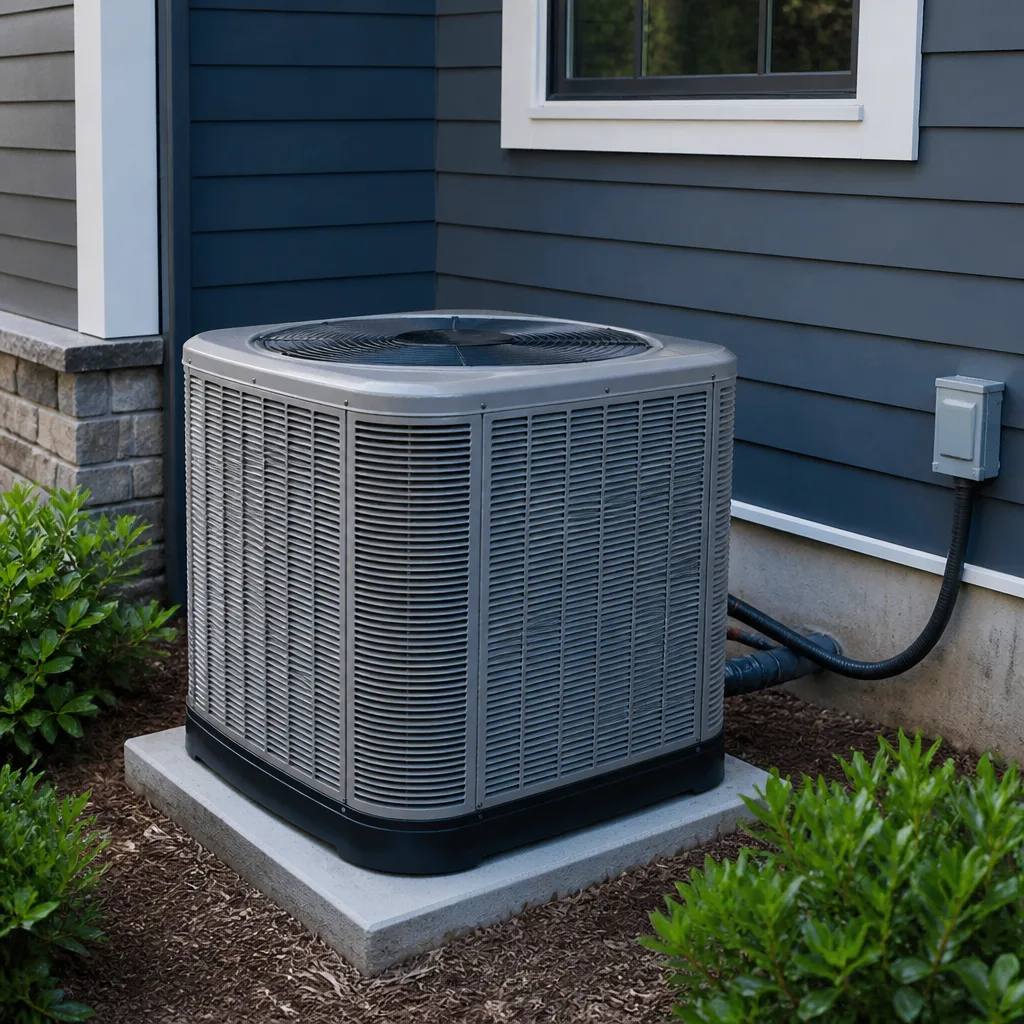 Carrier
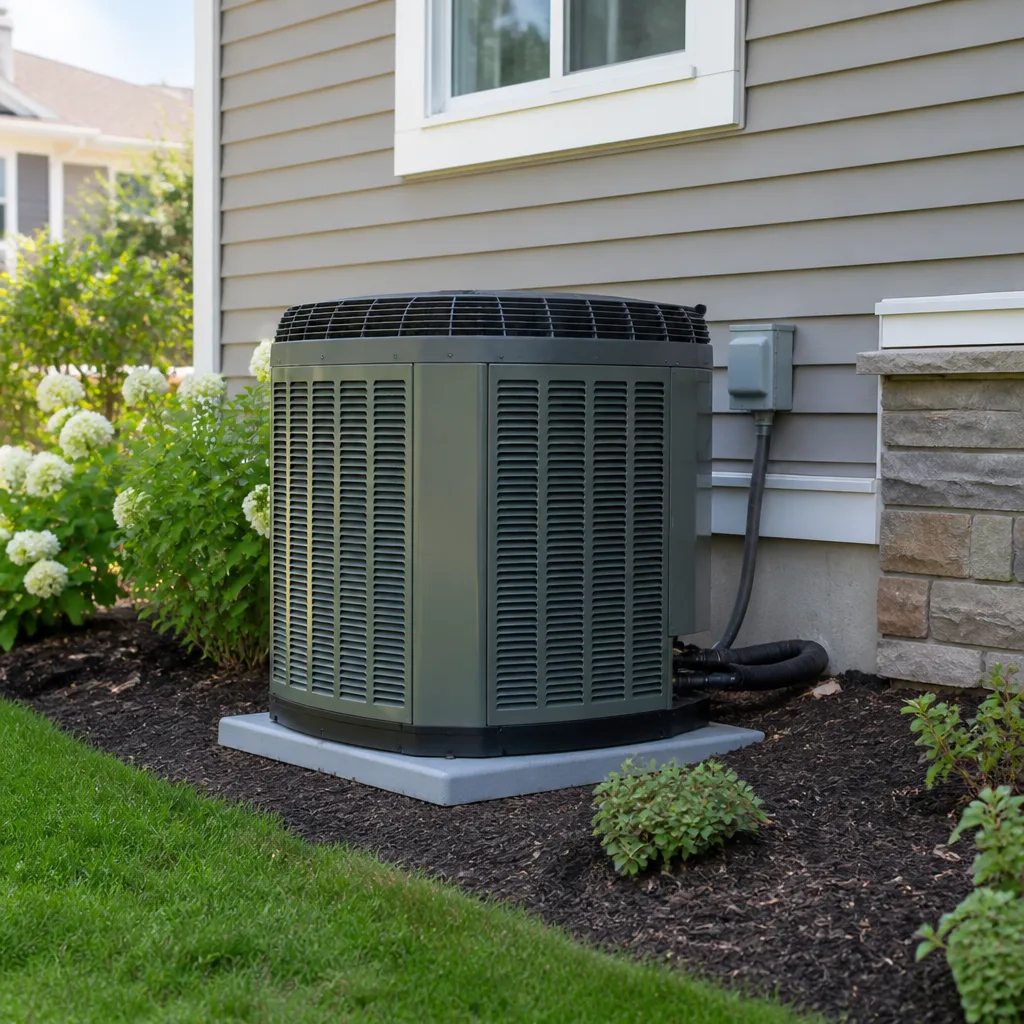 Trane
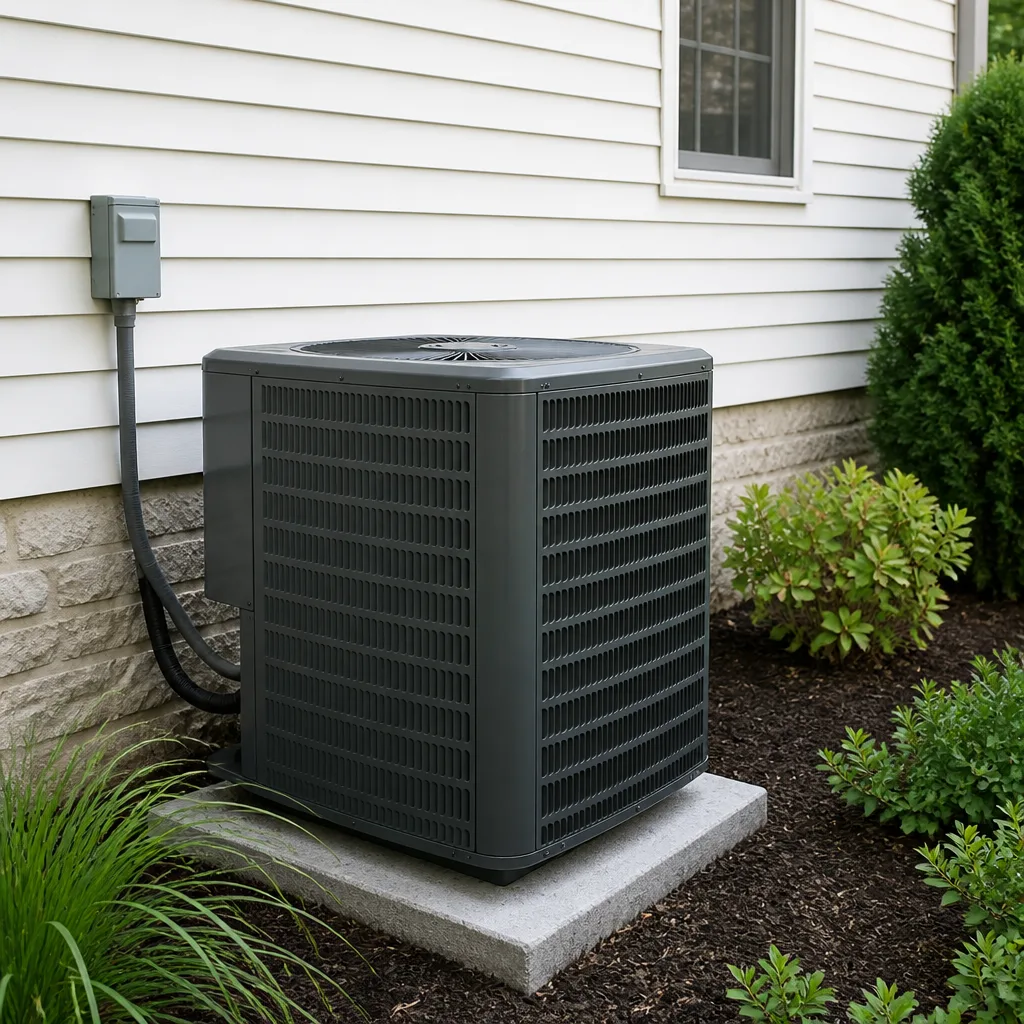 Goodman
Seasonal tune-up and full diagnostic on your Carrier, Trane, or Goodman system - readings shown to you before any repair is proposed
Diagnosis first, numbers second - you approve the repair price before a single part goes in.
Get your free estimateDIY vs Professional AC Installation: What’s Safe to Do Yourself
In Nevada, handling refrigerant without an EPA 608 certification is a federal violation carrying a fine up to $44,539 per day. That single fact settles most of the DIY question before you even open a toolbox. Whatever you’ve seen in a big-box store aisle or a weekend renovation show, the line between “handy homeowner project” and “federal violation” runs straight through your air conditioner. This guide draws that line clearly: which tasks you can genuinely do yourself in Henderson, which ones are legal but risky, and which ones can void your warranty or put your safety on the hook. We’ll also give you honest numbers, because the usual “call a pro” advice skips the math that actually matters.
Quick Answer
You can safely handle low-voltage work on your AC in Henderson: thermostat swaps, filter upgrades, condensate line clearing, and smart-thermostat wiring that runs on the low-voltage control circuit. Everything touching refrigerant, the compressor, brazed line sets, or permitted electrical work is off-limits for a homeowner in Nevada, either legally, practically, or both. The gray zone in between (a mini-split with a pre-charged line set) still hits the same refrigerant and permit walls in Clark County, so it isn’t the shortcut the marketing suggests. For the actual system install, a licensed contractor is the only path that keeps your manufacturer warranty intact and your home insurable.
Styles & brands we work with
- AC repair
- Furnace & heating
- Heat pumps
- Ductless mini splits
- Carrier
- Trane
- Goodman
Table of Contents
- What Nevada Law Actually Prohibits You From Doing
- What’s Genuinely Safe to Do Yourself
- The Warranty Reality Nobody Tells You
- The Mini-Split Gray Area in Clark County
- Honest Cost Comparison: DIY vs Professional
- Permits, Inspections, and the Risk of Skipping Them
- Why Henderson’s Climate Raises the Stakes
- Common Mistakes to Avoid
What Nevada Law Actually Prohibits You From Doing
The line here is thinner than most homeowners expect. Some of the AC installation work feels mechanical and straightforward: connect the lines, wire the disconnect, charge the system. But each of those steps crosses a federal or county boundary.
Under Section 608 of the Clean Air Act, anyone who handles refrigerant (removing it, adding it, evacuating a line set) must hold a current EPA Section 608 certification. That’s a federal requirement, not a local one. The Environmental Protection Agency has the authority to fine an uncertified individual up to $44,539 per day, per violation. Homeowners sometimes assume they can “just release a little” or top off their own system with a store-bought can. That’s a violation. It’s also dangerous: liquid refrigerant causes frostbite on contact and displaces oxygen in enclosed spaces.
Electrical work is a separate layer. In Clark County, the installation of a new 240-volt circuit for an AC condenser or a mini-split requires a permit from the local building authority, and the work must be performed by a licensed electrician. A homeowner may pull a permit for some alterations in some jurisdictions, but not for electrical work that requires a licensed trade. If you wire a new condenser without a permit and the work is inspected later, you’ll be required to remove the unpermitted wiring and redo it with a licensed electrician. That’s before we even talk about safety.
What’s off-limits (legally or practically) in Henderson
- Refrigerant handling of any kind without EPA 608 certification. This covers the initial charge on a new system, evacuating lines, and adding refrigerant during service.
- New electrical circuits for condensers or mini-splits, which require a licensed electrician and a building permit in Clark County.
- Brazing or cutting line sets where refrigerant will later be introduced, since the connection and evacuation is the certified portion.
- Permitted mechanical work on the system itself, including the unit placement, the disconnect, and the line-set routing that crosses structural elements.
Our technicians hold the certifications to handle this work legally. We’ve handled installs across the Henderson area for years, and we’ve seen what happens when a homeowner tries to save a few hundred dollars on the front end and ends up paying for the rebuild on the back end.
What’s Genuinely Safe to Do Yourself
The list of legal, safe homeowner work is shorter than the Pinterest renovation boards would have you think, but it isn’t empty. Here’s what you can do without a license, a permit, or a signed waiver.
Every one of these tasks touches the low-voltage side of the system (24 volts or less on most residential ACs), the filter, or the condensate line. None of them touch refrigerant, high voltage, or the compressor circuit.
- Thermostat replacement. Turning off the AC at the breaker, pulling the old thermostat, and connecting the matching wires to a compatible replacement is a legal, low-risk project. Most modern thermostats include a C-wire; if yours doesn’t, that’s when you stop and call.
- Filter and filter-housing upgrades. Swapping a 1-inch filter for a 4-inch media cabinet is a homeowner-level job with a screwdriver if the housing matches the existing return duct opening. Anything that requires fabricating a new return boot is a contractor job.
- Condensate line maintenance. Flushing the drain line with a cup of vinegar every spring prevents the algae and mineral buildup that causes most summer water leaks. This is genuinely safe, and it’s the highest-value five minutes you’ll spend on your system all year.
- Smart thermostat wiring on a system that already has a C-wire run to the thermostat location. The low-voltage circuit is safe to touch, and the wiring diagram is usually printed on the back of the old thermostat.
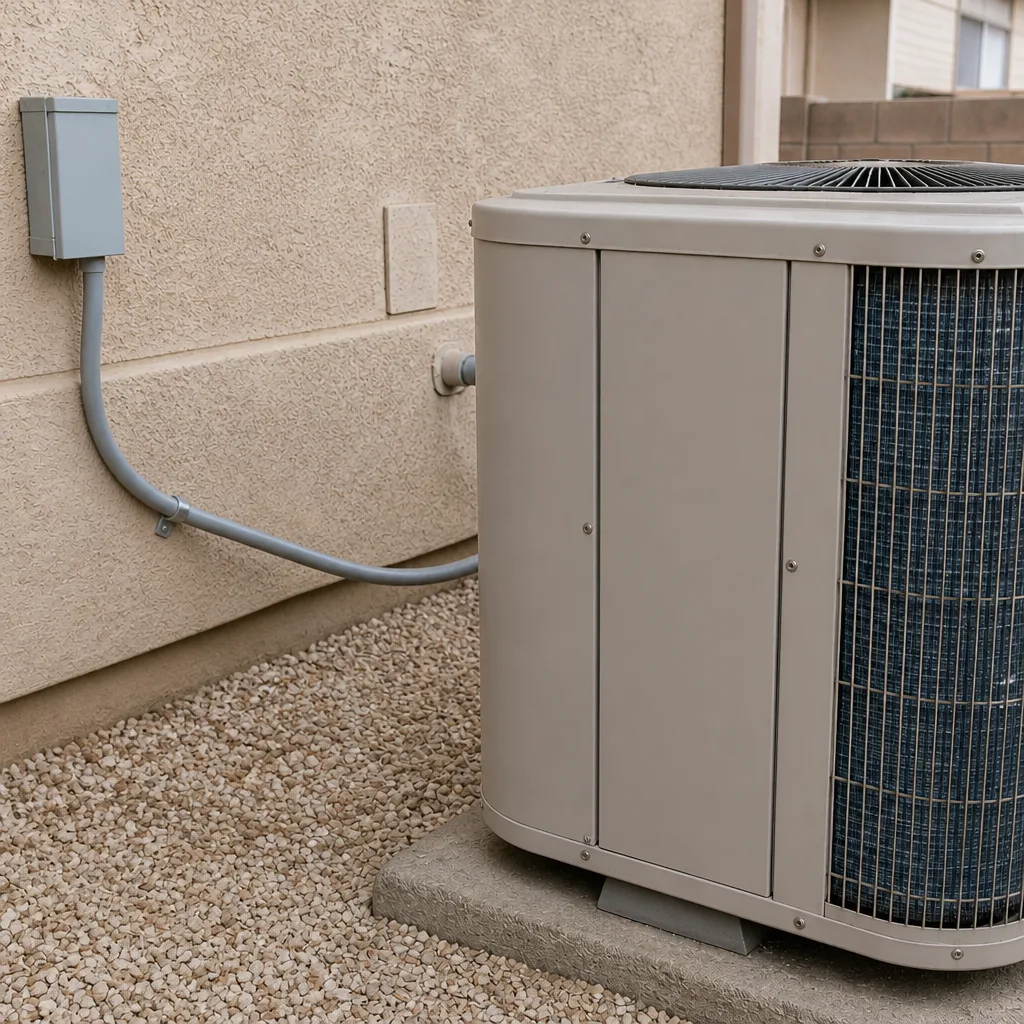
- Exterior coil rinsing. With the power off at the disconnect, rinsing the outdoor coil with a garden hose clears dust and cottonwood fluff. Never use a pressure washer: the fins bend and won’t bend back.
If your outdoor unit is on a concrete pad in Green Valley or a rooftop on a commercial property, that’s a different story for coil access. Roof access on a two-story Henderson home is a fall risk and not worth taking on yourself.
The Warranty Reality Nobody Tells You
Here’s the math most homeowners never see. A typical manufacturer’s warranty on a new AC unit is five years on parts for the compressor, ten for the condenser coil, conditional on the equipment being installed to spec by a licensed contractor. Read the fine print: most of these warranties require installation by a licensed HVAC contractor and, in many cases, proof of that installation in the form of an invoice.
A self-install, even if it’s mechanically passable, tends to void the parts warranty. Which means the $200 you saved on labor is now standing between you and a compressor replacement that runs $1,500 to $2,800 in Henderson depending on tonnage and brand. That’s not a hypothetical risk. We’ve seen it play out: a homeowner in Anthem installed a Bryant condenser himself, the compressor failed at year two, and the replacement came out of his own pocket because the warranty was voided by the install records, not the failure itself.
There’s a second warranty layer: the parts themselves. If you buy a condenser at a supply house and install it, the supply house often won’t warranty the unit against defects because the manufacturer’s field-failure program requires documentation from a licensed installer. Even a defective part becomes your problem.
Our 365-Day Done Right Promise exists precisely because warranty coverage and installation quality are tangled together. If we install a system in Henderson and a problem shows up within a full year, we come back and correct it at no charge. That’s written down and handed to you before the technician leaves. You don’t get that from a self-install, and the manufacturer’s warranty doesn’t cover labor either way.
The Mini-Split Gray Area in Clark County
Mini-splits are marketed hard as DIY-friendly in big-box retail. The pitch is compelling: a pre-charged line set, quick-connect fittings, no brazing required. Set the indoor head on the wall, run the line set through a hole, connect the outdoor condenser, and you’re cooling. The marketing glosses over two things.
First, in Clark County, a mini-split install still requires a permit and an electrical permit for the condenser circuit. The mechanical inspector signs off on the line-set routing, the support bracket, and the disconnect. A pre-charged line set doesn’t change the permit requirement. If the unit was installed without a permit and you sell the home, the disclosure question comes up, and the buyer’s inspector will flag an unpermitted mini-split. That turns into either a credit at closing or a removal and re-permit job.
Second, pre-charged line sets only work at one length. Once you run the lines, you can’t shorten them without recovering the refrigerant charge and re-evacuating the system, which is certified work. If the length that came in the box doesn’t fit your wall, you’re back to a contractor. Shortening the line set after a self-install is often the point where homeowners call us to finish the job. It typically costs more than the original install quote would have.
We’ve installed mini-splits in Henderson homes across the eleven brands we’re trained on, including Carrier and Trane. The permitting and line-set sizing isn’t a marketing problem, it’s an engineering problem, and it’s the part of the job that quietly decides whether the system works in a Henderson summer or fails to cool the room it was sized for.
Honest Cost Comparison: DIY vs Professional
The usual comparison is contractor labor versus DIY time. That’s the wrong comparison. A real comparison includes the permit, the warranty exposure, the inspection risk, and the cost of finishing or correcting the job.
Here’s the line-item view for a typical 3-ton replacement in the Henderson area. Prices are ranges, and they move with brand, tonnage, and whether ductwork needs modifying.
- Equipment (all-in, contractor-supplied): $3,200 – $5,800 depending on SEER2 rating and brand. A homeowner buying the same equipment at retail doesn’t get a contractor discount and often pays 10 – 20% more.
- Contractor installation labor: $1,400 – $2,400, including the permit, line-set work, electrical, and start-up.
- Clark County permit fee: roughly $180 – $320 for a residential AC replacement, paid by the contractor or pulled by the homeowner, but you still pay it either way.
- Licensed electrician for a new condenser circuit (if not already present): $500 – $900.
- Refrigerant charge, evacuation, and start-up: $250 – $500 professional; effectively not legally available to a homeowner.
- Warranty exposure if self-installed: $1,500 – $2,800 for a compressor replacement out of pocket, times roughly the failure probability in the first five years.
- Cost to bring a non-permitted install to code: $800 – $1,800 in re-work plus a new permit if the county inspector has already flagged the job.
Add it up honestly and the “DIY saves money” position gets much weaker. The labor savings of a few hundred dollars sits next to a five-figure potential exposure if the install fails inspection, fails the compressor, or voids the warranty. If you’re buying a system, AC Installation in Henderson starts with a written fixed price before we order the equipment, not after. That alone is worth more than the retail-savings pitch.
Permits, Inspections, and the Risk of Skipping Them
Clark County’s building department requires a permit for any HVAC replacement or addition. The permit triggers an inspection, and the inspection is the point at which three things get checked: the electrical disconnect is properly sized and bonded, the unit is installed per manufacturer spec, and the line-set routing and support meet code. If a homeowner skips the permit and later sells, the buyer’s inspector will flag the unpermitted work. The fix is a retroactive permit, which requires opening up the installation to be inspected, sometimes tearing into drywall to see how the line set was routed.
The insurance angle matters too. If a failed self-install causes a fire or water damage to the home, the homeowner’s insurance carrier can dispute the claim on the basis of unpermitted, unlicensed work. That’s not a theoretical risk to dismiss. We’ve seen homeowners in Henderson get caught in that gap on water heaters; the same logic applies to an AC that leaks refrigerant or shorts the compressor circuit.
Once a permit is pulled and the work is inspected, the inspection paperwork becomes part of your home record. That’s the reason to keep every invoice and permit stub. When you sell, that documentation is worth real money in the negotiation.
Why Henderson’s Climate Raises the Stakes
Henderson’s summers push the cooling system harder than most cities in the country. Design temperatures in the Las Vegas valley sit around 108°F, and the summer cooling season stretches from late April through mid-October. An AC that’s undersized or improperly charged doesn’t just run inefficiently; it runs nonstop and pulls the system into failure earlier than it would in a milder climate.
Think about which neighborhoods hit this hardest. In Green Valley, a lot of homes built in the 1990s and early 2000s are on their second or third condenser, and the original ductwork was sized for the original system, not for the SEER2 replacement that just went in. In Anthem and Seven Hills, the homes sit on higher elevations with more direct sun exposure on the roof-mounted line sets, so insulation failures show up faster. In Lake Las Vegas, the proximity to water adds humidity the AC has to handle that a system sized for a dry-climate load wasn’t always designed for.
What we’ve seen: a properly sized, properly commissioned system in Henderson cuts run time by 15 – 25% versus the same system undercharged or with a short line set that was never checked. The commissioning is the contractor’s job. That’s the part that a self-install loses, and it doesn’t show up in a labor comparison.
Common Mistakes to Avoid
- Buying a pre-charged mini-split and assuming no permit is needed. In Clark County, you still need a mechanical and electrical permit for the condenser circuit. The county doesn’t care about the marketing on the box.
- Swapping a thermostat without checking the C-wire. A thermostat that loses power to the control board mid-summer isn’t a low-voltage improvement, it’s a no-cool call. If you don’t see a C-wire, stop and call.
- Releasing refrigerant to “top off” the system from a store-bought can. That’s a violation under Section 608, and the clean-up cost for a contaminated charge is in the thousands, not hundreds.
- Upgrading the filter to a high-MERV pleated filter in a system not designed for it. A MERV 13 filter in a system sized for MERV 8 can starve airflow, freeze the coil, and pull the compressor into early failure. Match the filter to the system’s rated static pressure.
- Installing an AC on a raised platform without checking the pad’s structural loading. In Henderson rooftop and attic installs, a condenser pad on a raised platform needs to be load-rated for wind uplift, not just the static weight.
- Skipping the condensate line flush. In Henderson’s dry climate, mineral and algae buildup in the drain line clogs faster than most homeowners expect. A cup of vinegar every spring is cheap; water damage from a clogged line is not.
- Self-installing to save labor while the warranty is the thing you’re actually spending. Most manufacturer warranties require licensed installation. If you lose the warranty to save $300 in labor, you’ve traded the wrong way.
See the difference
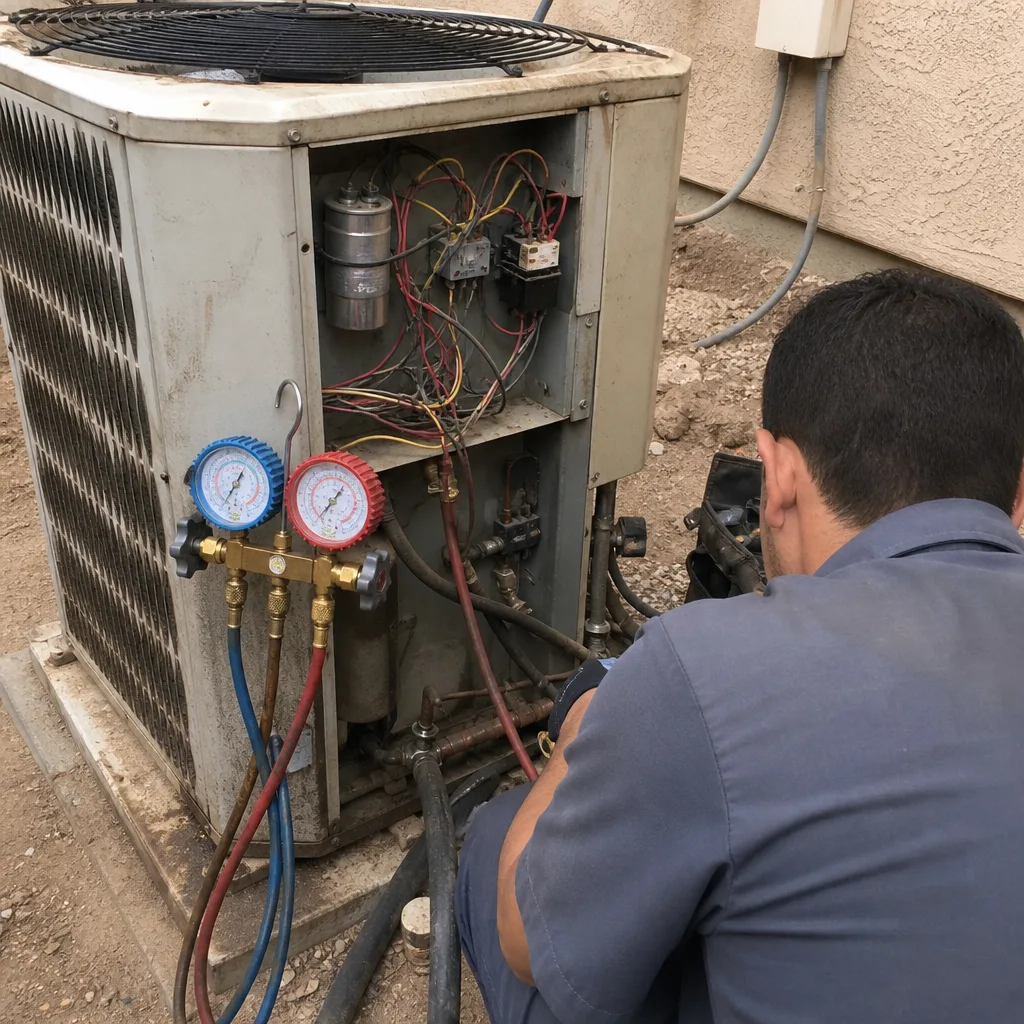 Before
 After
 Before
 After
 Before
 After
When to Call a Professional
Call a professional when the work touches refrigerant, brazed lines, the compressor, the high-voltage disconnect, the electrical panel, or a permitted installation. That’s not every AC task, but it’s the set that matters. Call us when you’ve bought a replacement system and need it installed to warranty spec, when a mini-split configuration doesn’t fit the wall opening, when your system is more than 12 years old and the repair quote is creeping up toward the replacement cost, or when a self-install has gone sideways and the county needs a permit. Coldharbour Heating & Air Henderson offers free estimates in Henderson, and we’re reachable at (844) 797-5122 with a live person answering around the clock. If you’re not sure which side of the line you’re on, that’s the call.
If your current system is short-cycling or not cooling, AC Repair in Henderson comes before a replacement conversation, and the diagnosis usually tells you which side of that line you’re actually on. If your furnace is also on the fritz, we handle Furnace Repair in Henderson with the same written-price standard.
Frequently Asked Questions
No, you can’t legally complete a full AC installation yourself in Henderson, because any refrigerant handling requires EPA 608 certification under federal law and any new electrical circuit for the condenser requires a licensed electrician and a Clark County permit. You can handle the low-voltage work, the filter upgrades, and the condensate line, but the installation itself has to be done by a licensed contractor to be legal and to keep the manufacturer warranty.
No. A pre-charged line set only avoids brazing, not the underlying certification requirement. If the line set needs shortening, or the system needs evacuation or a charge adjustment after install, that work still requires an EPA 608 certified technician, and the mini-split still needs a mechanical and electrical permit in Clark County. The pre-charge is a marketing feature, not a legal workaround.
In most cases, yes. Manufacturer warranties on condensers, compressors, and coils typically require installation by a licensed HVAC contractor and documented proof of that installation. A self-install voids the parts warranty, which leaves you responsible for the repair or replacement if the compressor fails within the first five years. That’s a five-figure exposure on a system that only saved a few hundred dollars in labor.
You can safely swap a thermostat that already has a C-wire, upgrade a filter housing, flush the condensate drain line with vinegar every spring, replace 1-inch filters monthly during cooling season, and hose off the outdoor coil with the power off. Everything else, including refrigerant checks, coil cleaning on the indoor side, and electrical diagnosis, should be handed to a technician. Filter changes and the condensate flush are the two highest-value tasks and both are safely within homeowner scope.
An unpermitted installation becomes a problem at inspection, at resale, or at an insurance claim. If an inspector flags it, the fix is a retroactive permit that requires opening the installation to be inspected, and if the home is being sold it usually turns into a buyer credit or a re-permit job out of your pocket. Insurance carriers can also dispute a claim if the failed work was unpermitted and unlicensed. For more on why we take permit and inspection exposure seriously, see the Coldharbour Heating & Air Henderson home page.
A professional 3-ton AC installation in Henderson typically runs $5,200 to $8,500 all-in, while a DIY purchase of the same equipment plus the permit you still need, the electrician, and the coolant work you can’t legally do lands within $800 to $1,500 of that range, before warranty exposure. The honest math is that the DIY saving is much smaller than the retail-site comparison suggests once the permit and warranty are included. Call (844) 797-5122 for an exact quote on your specific installation, and it’s free.
The Bottom Line
The DIY versus professional question mostly answers itself once you understand the boundary. Refrigerant handling is federally restricted, electrical work is permitted in Clark County, and manufacturer warranties tie directly to documented licensed installation. What you can safely and legally handle is real, and it matters: thermostat swaps, filter and condensate maintenance, and coil rinsing are worth doing yourself. What you can’t safely or legally handle is the actual installation, and the cost math for self-installing comes out roughly even on the surface and badly against you once the warranty and permit risk are counted. In Henderson, where a failed system means a summer at 108°F without cooling, that’s not a smart place to gamble.
If you’re weighing a replacement in Henderson, we’ll hand you a written price before any work begins, arrive in the window we promised, and back the install with the 365-Day Done Right Promise in writing. Our technicians have up to 23 years of experience and are trained on nine major residential HVAC brands, including Carrier, Trane, Bryant, American Standard, and six others. Live person answers the phone 24 hours a day, every day of the year. For a deeper look at how we run every job, see the AC Repair in Henderson page and the AC Installation in Henderson guide.
Coldharbour Heating & Air Henderson is the local, independently operated face of the Kingswell Guarantee, which is the reason we put the price, the arrival window, the clean job site, and the written guarantee in writing on every visit. Call (844) 797-5122 for a free estimate on your AC installation or replacement, and we’ll walk you through which tasks you can keep on your list and which ones we’d take on.
Written by the team at Coldharbour Heating & Air Henderson.