
Last updated November 17, 2026
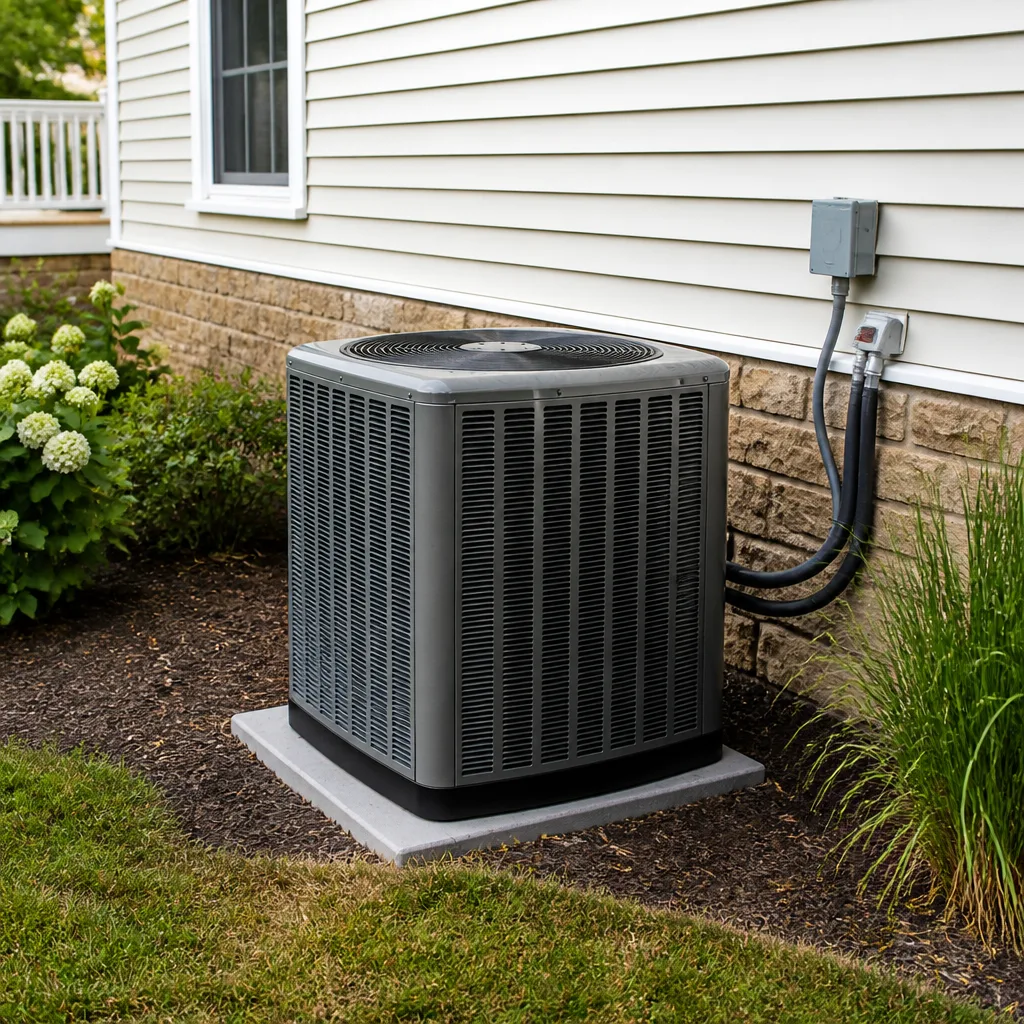 AC repair
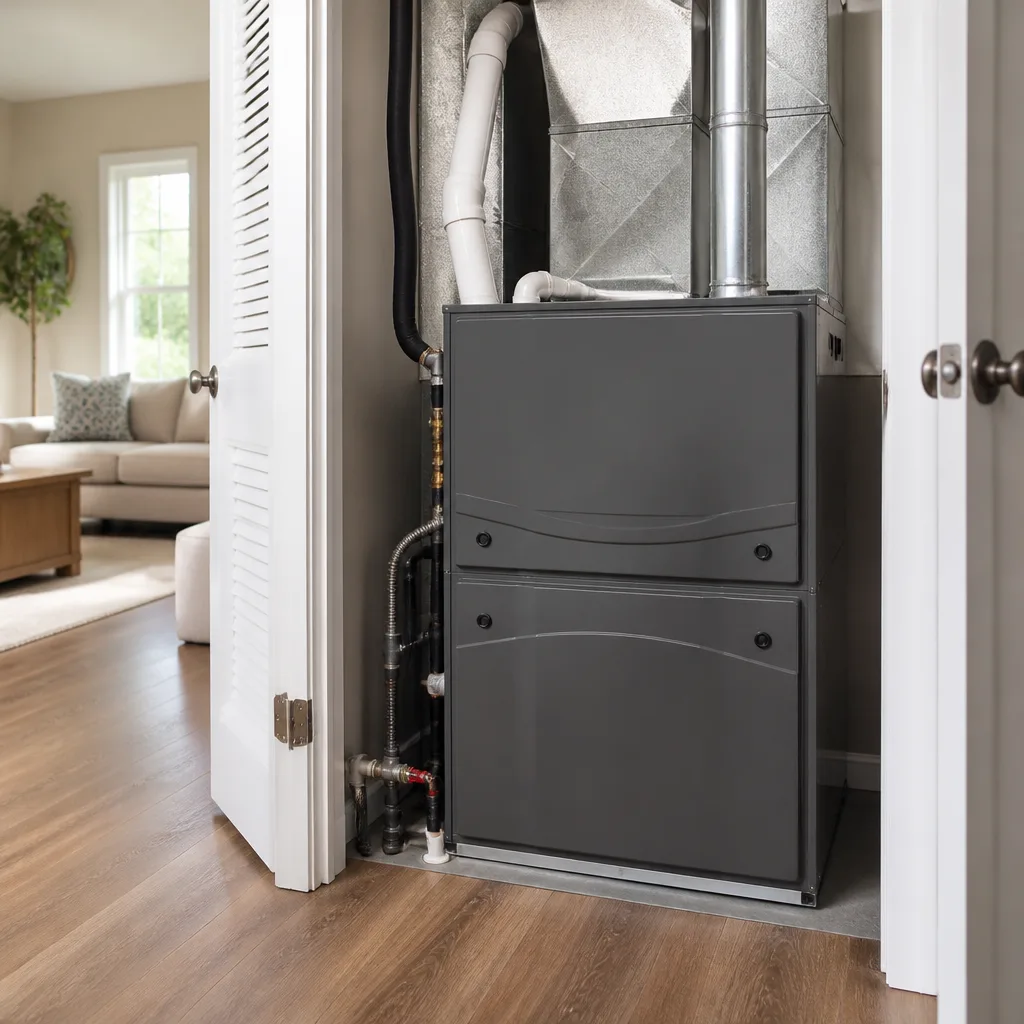 Furnace & heating
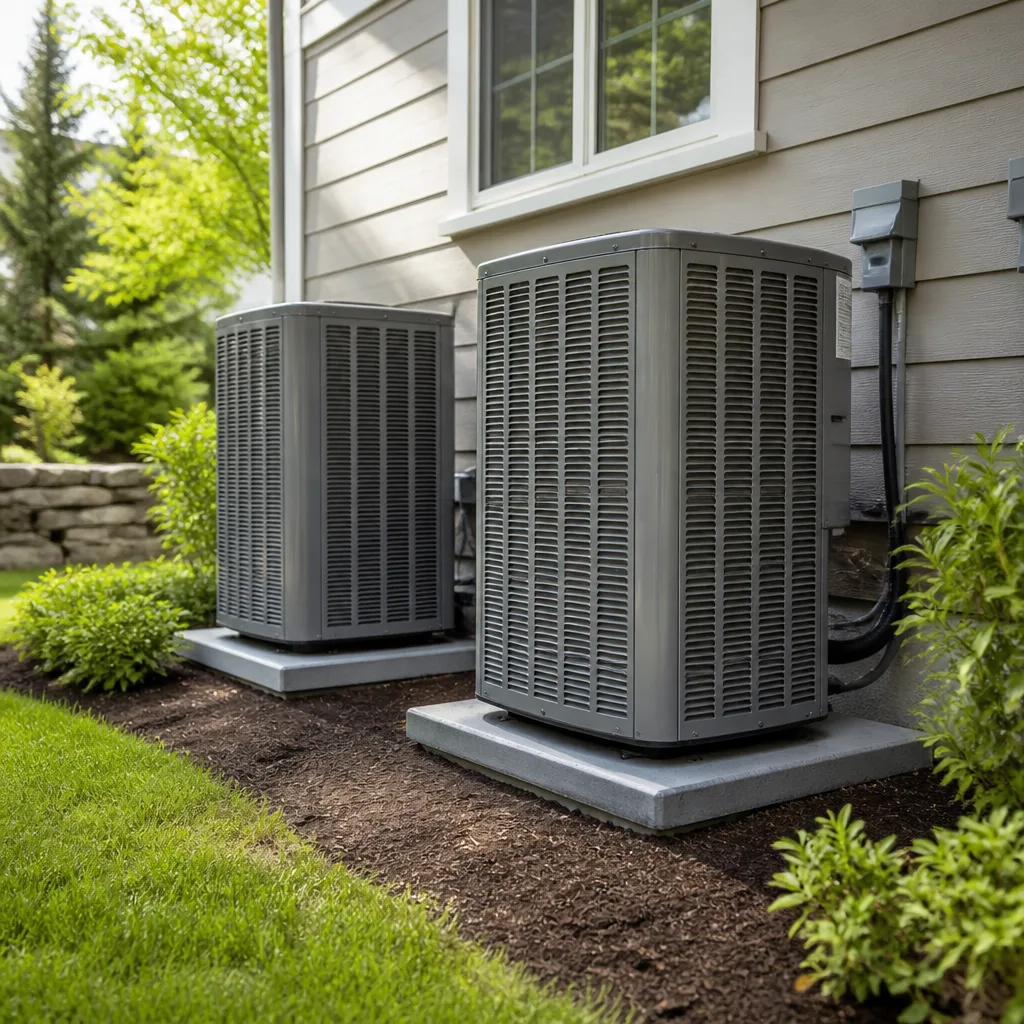 Heat pumps
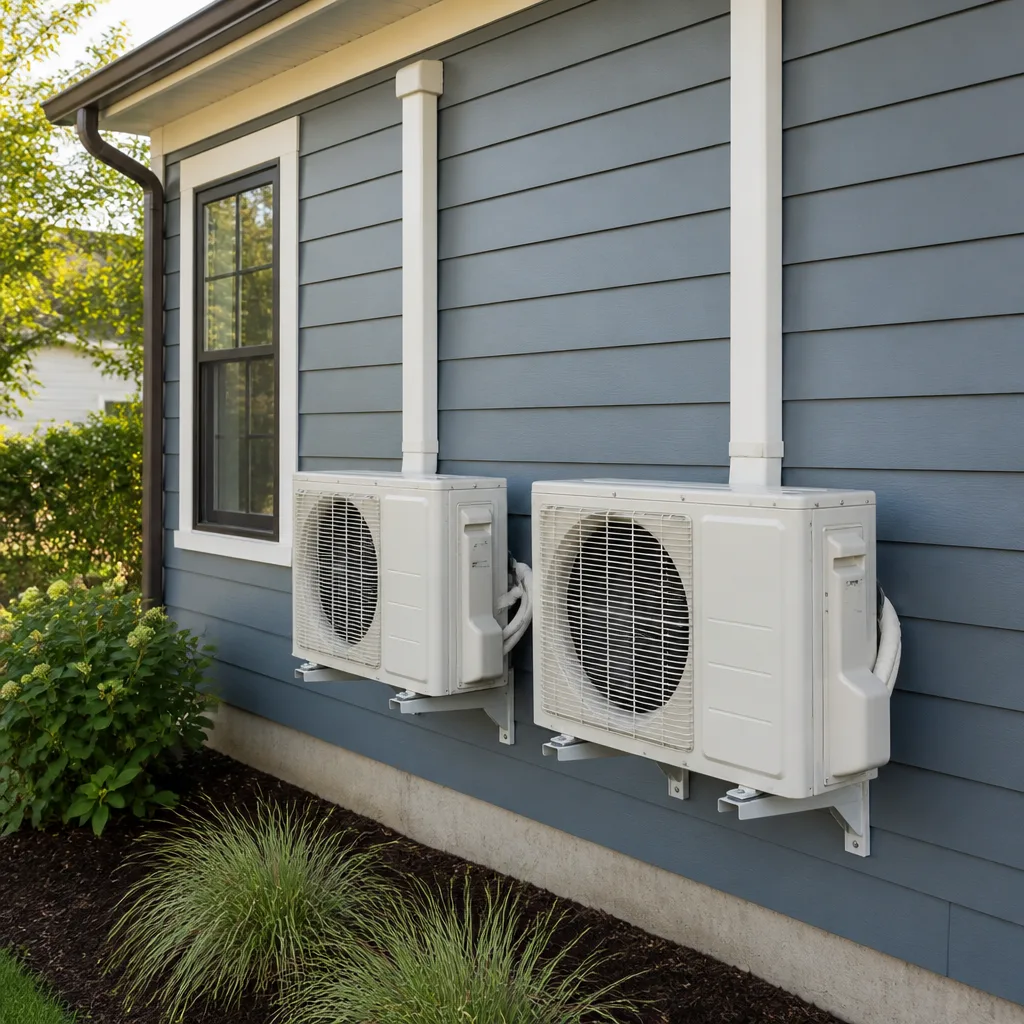 Ductless mini splits
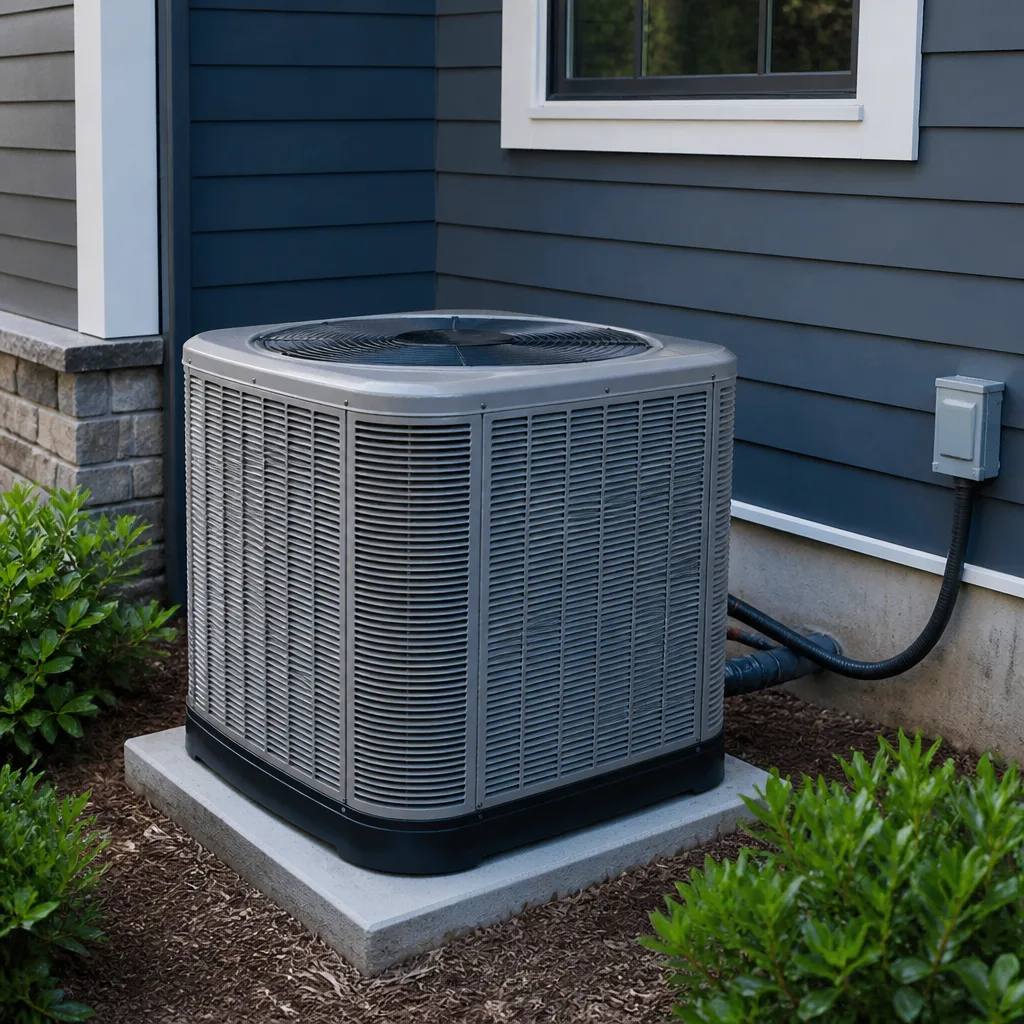 Carrier
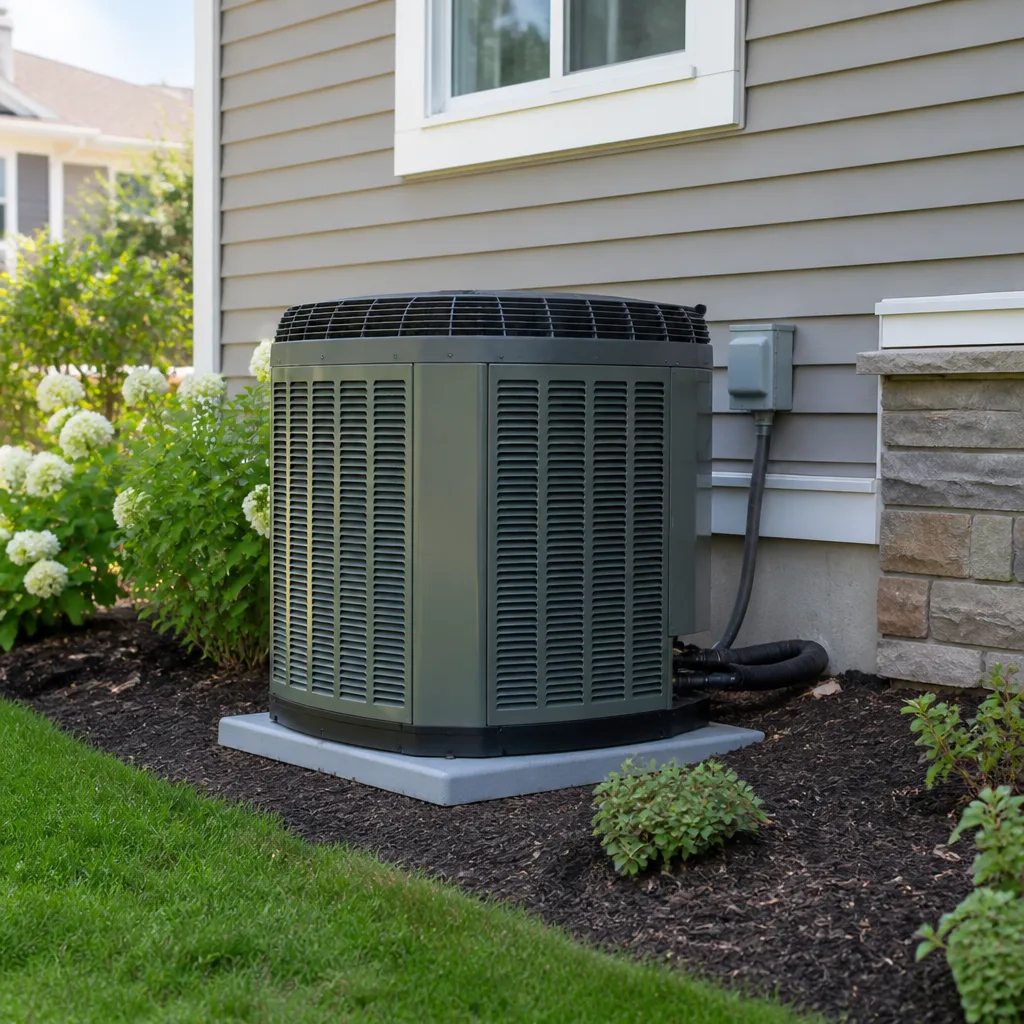 Trane
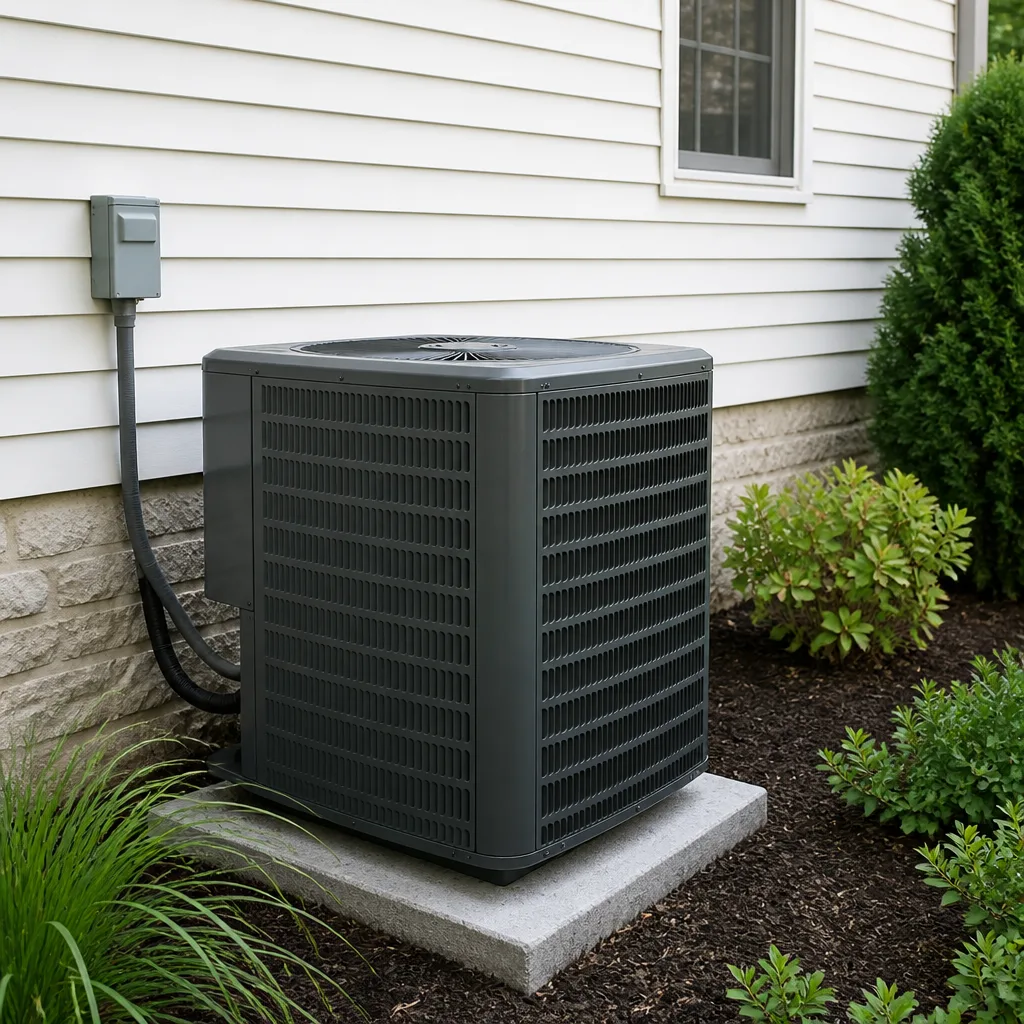 Goodman
Seasonal tune-up and full diagnostic on your Carrier, Trane, or Goodman system - readings shown to you before any repair is proposed
Diagnosis first, numbers second - you approve the repair price before a single part goes in.
Get your free estimateAC Installation Warning Signs Every Homeowner Should Know
Here’s a fact that surprises most homeowners we talk to: a $400 capacitor repair and a $6,000 system replacement can look identical on a Tuesday afternoon in July. Same warm air from the vents. Same rising electric bill. Same nervous call to an HVAC company. The difference between “fix it” and “replace it” almost never shows up in the symptom itself. It lives in three numbers most homeowners have never been told to look up: the age of the system, its SEER rating against today’s standard, and the repair cost as a percentage of replacement cost. This guide gives Henderson homeowners a plain framework for finding those numbers and reading them honestly, so you spend money on the right answer instead of the expensive one.
Quick Answer
You likely need AC installation (rather than another repair) when your system is 12 to 15 years old, its SEER rating sits well below the current 14 SEER2 federal minimum, and a single repair quote exceeds 50% of what a new system would cost. Add any two of these: rising bills on identical usage months, short-cycling, uneven cooling, louder operation, or humidity the system no longer controls. Those signs together point to replacement. One sign alone usually points to a repair.
Styles & brands we work with
- AC repair
- Furnace & heating
- Heat pumps
- Ductless mini splits
- Carrier
- Trane
- Goodman
Table of Contents
- The Three Numbers That Decide Repair vs. Replace
- The 50% Rule, Explained in Plain English
- Why Henderson’s Climate Hides Failing Systems
- R-22 vs. R-410A: Refrigerant Type Is a Decision Factor
- Five Installation Warning Signs That Show Up Before Failure
- Sizing and Load Calculation: The Installation Detail That Matters Most
- How to Get an Honest Repair-vs-Replace Recommendation
The Three Numbers That Decide Repair vs. Replace
Before you call anyone, find three numbers. They take about ten minutes to track down and they change the entire conversation.
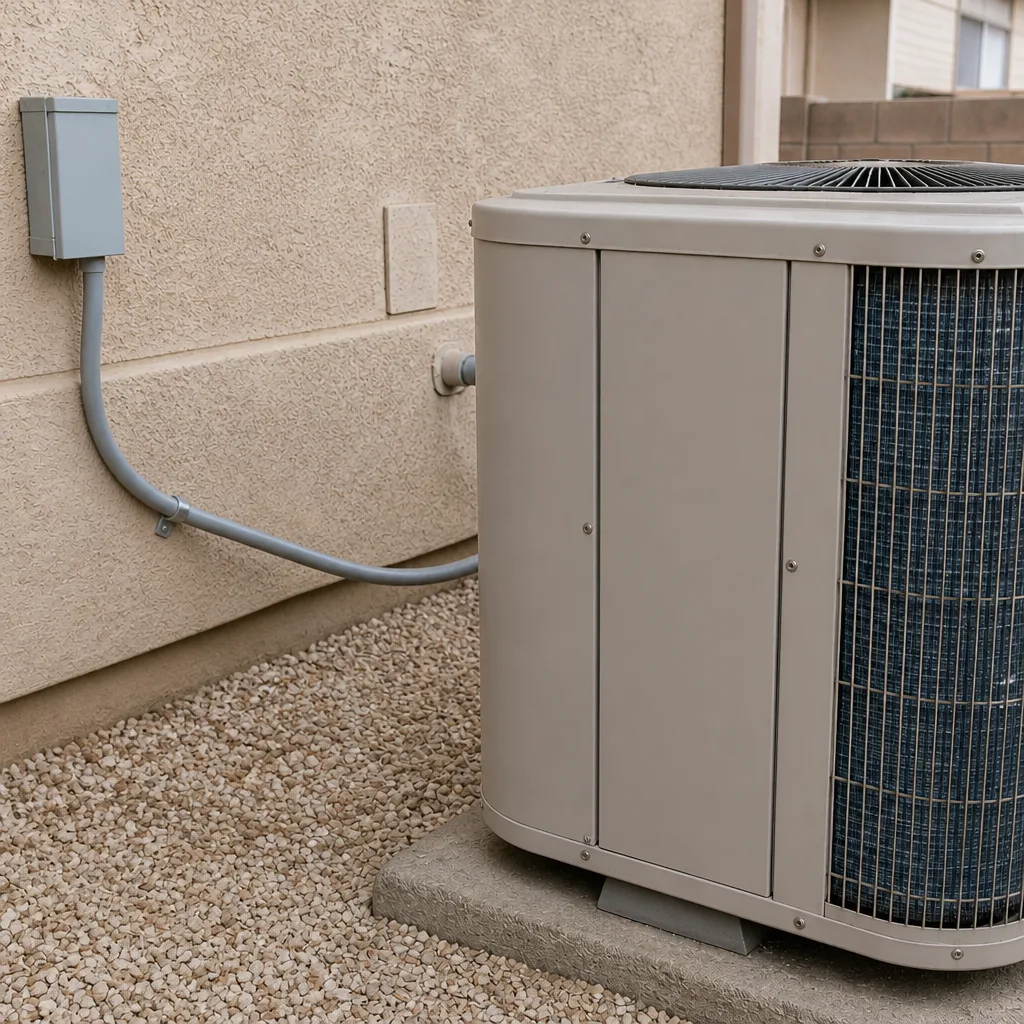
- System age. The manufacturing date is stamped on the outdoor condenser’s data plate, usually a four-digit code where the first two digits are the year. A system installed in 2010 is now 16 years old. Most residential AC equipment is built for a 12 to 15 year service life in a hot climate, and Henderson is a hot climate.
- SEER rating. SEER stands for Seasonal Energy Efficiency Ratio, a measure of how much cooling you get per unit of electricity. Models sold before 2015 were commonly rated at 10 to 13 SEER. The current federal minimum for a new split system is 14 SEER2, a slightly different testing standard that translates roughly to the old 14 SEER. A 10 SEER system uses roughly 40% more electricity to deliver the same cooling as a 14 SEER2 unit.
- Repair cost as a percentage of replacement cost. If a repair quote comes in at $1,800 and a comparable new system runs $6,000 to $8,000 in the Henderson market, that’s 22 to 30% of replacement cost for one repair. That’s the number to write down.
Those three figures, taken together, are the difference between a confident decision and a guess. A 14-year-old 10 SEER system facing a $1,800 compressor repair is telling you something very different than a 6-year-old 14 SEER2 system facing a $180 capacitor replacement.
The 50% Rule, Explained in Plain English
The 50% rule is a widely used industry guideline, not a law: if a repair costs more than half of what a replacement would cost, replacement is usually the better financial call. The logic is straightforward. When you spend 50% or more on a repair, you’re reinvesting in a machine that’s already partway through its service life. If that same system has five good years left and needs another major repair in year three, you’ve paid nearly replacement money for a system you still have to replace.
Where the rule gets misused is by companies that quote a high repair number to make replacement look reasonable. Ask for the repair quote in writing with the part names and part numbers. A compressor replacement is a different animal than a capacitor or a contactor, and the prices reflect that. Here’s roughly what Henderson homeowners see for common AC repairs:
- Capacitor replacement: $180 to $340, parts and labor
- Contactor replacement: $150 to $280
- Blower motor replacement: $450 to $900
- Condenser fan motor replacement: $400 to $750
- Compressor replacement: $1,400 to $2,400
- Refrigerant recharge (R-410A): $300 to $700 depending on how much is needed and whether a leak must be found and sealed first
- Full system replacement (3-ton, standard efficiency): $5,500 to $8,500 installed
Run the math against your own situation. A $350 capacitor on a 10-year-old system is an easy yes. A $2,000 compressor repair on a 14-year-old 10 SEER unit is the textbook 50% rule case. Our AC Repair in Henderson page covers what each of those repairs involves if you want to understand the specifics before you call.
Why Henderson’s Climate Hides Failing Systems
Henderson’s summer design conditions are the reason a failing system can look fine in May and fall apart in July. Design temperature, in HVAC terms, is the outdoor temperature a system is built to handle at its rated capacity. Around Henderson, that figure sits near 108°F to 110°F. A system that’s lost 15% of its capacity to age and wear will still hold 74°F indoors in May when the outdoor temperature is 92°F. That same system, in mid-July with the outdoor temperature at 110°F, will run continuously and still drift to 78°F or 80°F by late afternoon.
This is why “it can’t keep up” is a real diagnostic symptom here, not just a complaint. Homeowners in Green Valley and Anthem routinely tell us their AC “used to cruise” and now “runs all day.” That shift is a capacity story. Three things cause it:
- Degradation: a system past 10 years loses cooling capacity as the compressor wears and the coil picks up dirt.
- Undersizing: a system that was sized with a rule-of-thumb (a ton per 500 square feet) rather than a Manual J load calculation may have been marginal from day one.
- Duct losses: if the ducts run through an attic at 150°F, the supply air warms before it reaches the room. In Henderson’s climate, attic duct losses can eat 20% to 30% of the system’s cooling before it ever hits a register.
A technician who measures supply-air temperature at the register and outdoor temperature on the same visit can tell you which of those three is happening. If they can’t, they’re guessing, and guessing leads to the wrong purchase. That’s also why a system that “worked fine in May and fell behind in July” deserves to be measured before it’s condemned.
R-22 vs. R-410A: Refrigerant Type Is a Decision Factor
The refrigerant (the fluid that carries heat out of your house) matters more in 2026 than it did ten years ago. Systems manufactured before 2010 commonly used HCFC-22, sold under the brand name Freon. R-22 was phased out of production in the United States, and the only refrigerant still available for it comes from reclaimed stock. That makes it scarce and expensive: R-22 costs several times more per pound than R-410A, the standard refrigerant that replaced it. A system that needs even two or three pounds of R-22 can absorb $600 to $1,200 in refrigerant alone before the leak is even found and sealed.
Two practical points follow:
- If your system uses R-22 and loses charge, you’re paying a premium for refrigerant every time, not just for the repair. Add refrigerant costs to your repair-versus-replace math.
- If your system uses R-22, no amount of repair makes it a modern system. It’s running on a fluid that costs more each year. This tilts the 50% rule toward replacement much earlier than the raw repair dollar amount suggests.
New systems sold today use R-410A or one of the newer A2L refrigerants that are phasing in. If a technician quotes a repair that requires adding R-22 to a system older than 15 years, ask what that refrigerant will cost, and get it in the written price before work begins. Our AC Installation in Henderson page covers what’s included in a full system replacement, refrigerant included.
Five Installation Warning Signs That Show Up Before Failure
Failure is the loudest sign, but it’s the last one. These five appear first, and any one of them is worth quantifying before you decide.
- Utility bills rising on identical usage months. Compare the same month this year to last year, not last month to this month. A 15% to 25% year-over-year jump on a month with similar weather and similar thermostat habits is a signal. NV Energy bills around Henderson make this easy to check: compare July 2024 to July 2025.
- More frequent short-cycling. Short-cycling means the system turns on and off more often than it should, usually because it can’t satisfy the demand or because a component is failing. If your unit used to run 20 minutes per cycle and now runs 8 minutes, that’s a change worth noting.
- Uneven cooling that wasn’t there two summers ago. If upstairs bedrooms stayed comfortable in 2023 but now run 4°F warmer than the living room, that’s a capacity or duct problem. It’s measurable and fixable, and it’s often cheaper to fix than to replace, but only a technician who measures air flow can tell you which.
- Louder operation. A system that’s noticeably louder than it used to be is telling you something: a failing compressor bearing, a motor on its way out, or a fan blade out of balance. Some of those are cheap repairs. Some aren’t.
- Humidity the system used to handle. Air conditioning removes moisture from the air as a byproduct of cooling. A system that no longer keeps indoor humidity around 45% to 55% is running too short, too little, or too inefficiently to do its job. In Henderson’s monsoon season, this shows up as a house that feels clammy even with the thermostat satisfied.
One of these signs is a repair. Two or three together, on a system past 12 years, is a replacement conversation. Write down which ones you’re seeing before you call. It makes the visit more useful for everyone.
Sizing and Load Calculation: The Installation Detail That Matters Most
Here’s a point competitors skip: the most important part of AC installation isn’t the equipment brand. It’s the load calculation, sometimes called a Manual J. This is a room-by-room calculation of how much heat your house gains in the summer, based on square footage, window area and orientation, insulation, duct location, and the outdoor design temperature for your area. The result determines the correct system size in tons. It takes 45 minutes to an hour to do correctly.
Systems sized by rule of thumb (a square-footage chart) get it wrong in both directions. Oversoze a system and it cools the house too fast without removing enough humidity, then short-cycles. Undersize it and it runs continuously in July and still falls behind. In Henderson, where design temperatures and attic duct losses are extreme, the sizing error shows up as a comfort problem within the first summer.
Ask the company quoting your installation to show you the load calculation. If the number they land on exactly matches what the previous system was, that’s a red flag. Homes change: added insulation, replaced windows, or new shade trees all shift the calculation. A proper quote includes a load calculation and a duct evaluation. Both are non-negotiable in this climate. If you’re replacing your system and want the specifics of what a full Henderson installation includes, our installation page walks through every step.
How to Get an Honest Repair-vs-Replace Recommendation
You can’t always tell an honest recommendation from a sales pitch by the price alone. You can by the paperwork. Here’s what a trustworthy technician shows you in writing, versus what a persuasive one does.
What an honest recommendation looks like
- Measured readings. Supply-air temperature and return-air temperature at the registers, refrigerant pressures, compressor amperage, and outdoor temperature on the day of the visit. These are diagnostic numbers, and they should be on the report.
- The cost comparison. The written repair quote next to the written replacement range, so you can run the 50% math yourself.
- The system’s age and SEER rating. Both should appear on the report, not just in conversation.
- What happens if you do nothing. A good technician will tell you whether a system has two good years left or two months, and they’ll explain what will fail first.
What a steering recommendation looks like
- A quote for replacement before any diagnostic readings were taken.
- A repair price that’s higher than the market range without an explanation of the parts involved.
- A recommendation to replace a system that’s under 10 years old or already at 14 SEER2 or better.
- A verbal price that changes at the door after the diagnosis.
Coldharbour Heating & Air gives a written price before any work begins on every job, and the written price does not change at the door. Our technicians have up to 23 years of experience and are trained on nine major residential brands, including Trane, Lennox, Goodman, and Rheem, so the diagnosis doesn’t hinge on whether the brand is familiar. Every repair is covered by the 365-Day Done Right Promise: if the repair fails within a full year, we come back and correct the work at no charge, with the guarantee in writing before the technician leaves.
Common Mistakes to Avoid
- Replacing a system based on age alone. A 13-year-old system at 14 SEER2 with no repair history has years of life left. Age is one number, not the whole decision.
- Paying for a repair that costs more than half of replacement without checking the warranty. Some system warranties transfer to a new owner or cover parts for 10 years, which changes the math considerably. Ask before you pay.
- Trusting a verbal quote. In Henderson’s summer market, a verbal quote is a quote you can’t hold anyone to. Ask for the written price before any tool comes out.
- Skipping the load calculation. A like-for-like replacement of an undersized system reproduces the problem you were unhappy with. Insist on a Manual J calculation, especially if the old system struggled in July.
- Ignoring ductwork while replacing the system. In Henderson’s attics, ducts run at 140°F to 150°F in July. A $6,000 system connected to leaking ducts is a $4,000 system in terms of delivered cooling.
- Assuming a bigger system is better. An oversized system cools too fast to remove humidity, then short-cycles. Bigger is a common and expensive mistake in this climate.
- Calling the first company in the search results. If a homeowner has been let down before, the fastest way to get a good result is to ask two companies for written diagnostics and compare. Our repair page explains what a proper diagnostic visit should include.
See the difference
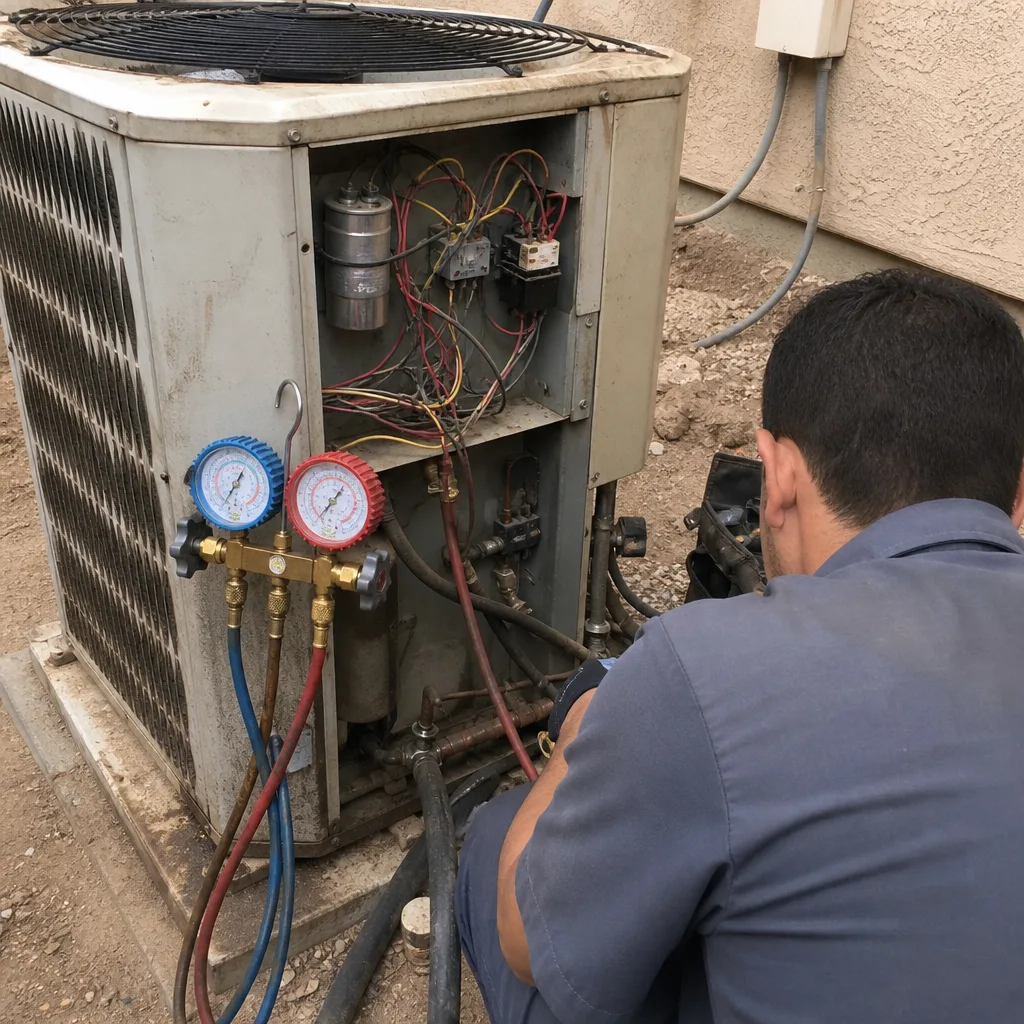 Before
 After
 Before
 After
 Before
 After
When to Call a Professional
Call when you’re ready to move from a hunch to a measurement. Specifically: if your system is past 12 years old and showing any two of the five warning signs listed above, or if a repair quote has come in at more than half the price of a replacement. Call immediately if the system is running but not cooling during a Henderson heat advisory, if you smell burning or see refrigerant oil near the outdoor unit, or if the outdoor unit keeps tripping the breaker. Those last three are not “wait and see” situations.
Also call if you’re planning a replacement and want a load calculation and a written price before you commit. That’s the job where a second opinion pays for itself. Coldharbour Heating & Air offers free estimates in Henderson and the surrounding area; call (844) 797-5122 and a live person will answer, 24 hours a day, seven days a week.
Frequently Asked Questions
You need replacement, rather than repair, when a system is 12 to 15 years old, its SEER rating is well below 14 SEER2, and a single repair quote lands at 50% or more of what a replacement would cost. If a system is under 10 years old and the repair is a component like a capacitor or contactor, repair is usually the right call. Call (844) 797-5122 for a written diagnostic that puts both numbers side by side.
It depends on the efficiency rating and the repair. A 12-year-old system rated at 14 SEER2 with a $300 repair is worth fixing; it likely has three to five good years left. A 12-year-old 10 SEER system needing a $2,000 compressor repair is usually not. Our technicians have up to 23 years of HVAC experience and can tell you which side of that line your system falls on. Call (844) 797-5122 for a free estimate.
Most full system replacements in the Henderson market run $5,500 to $8,500 for a standard-efficiency 3-ton split system, including the load calculation, equipment, and install labor. High-efficiency systems and larger homes run higher. Add $800 to $2,500 if the ductwork needs major work. The written price should come before any work begins. Call (844) 797-5122 for a free estimate with a fixed price on paper.
A system that keeps up in May but falls behind in July has lost cooling capacity to age, or was undersized from the start, or is losing cool air through attic ducts. Henderson’s design temperatures run near 108°F to 110°F in July; a system operating at 85% of original capacity handles May and fails in July. This is a measurable problem, and it’s worth diagnosing properly before you replace anything. Call (844) 797-5122 to schedule a diagnostic.
R-22 costs several times more per pound than R-410A because it’s no longer produced in the United States. A recharge that needs two or three pounds can run $600 to $1,200, plus the cost of finding and sealing the leak. If your system uses R-22, that recurring cost belongs in your repair-versus-replace comparison. Call (844) 797-5122 for a written quote before any refrigerant is added.
Yes, high-efficiency replacements may qualify for federal, utility, and manufacturer rebates, and financing is available on most installations. The amount depends on the efficiency rating and the equipment. Our technicians will tell you which options apply before you sign anything. Call (844) 797-5122 for a free estimate that includes the rebate and financing details in writing.
The Bottom Line
The same comfort symptom can point to a $300 fix or a $6,000 replacement. Three numbers tell the two apart: the system’s age, its SEER rating against 14 SEER2, and the repair cost as a percentage of replacement. Add any two of the five warning signs (rising bills on identical usage months, short-cycling, uneven cooling, louder operation, humidity the system no longer handles) and replacement is worth pricing. One sign is usually a repair. In Henderson’s climate, systems that look fine in May fail in July, so measure before you decide. And always get the recommendation in writing with the diagnostic readings attached.
Contact Coldharbour Heating & Air Henderson
If you’re in Henderson and ready to know whether your system needs a repair or a replacement, call (844) 797-5122 for a free estimate. You’ll get a written price before any work begins, an arrival window we’ll keep, and a 365-Day Done Right Promise on every repair. Our technicians are background-checked and trained on nine major brands. We answer the phone 24 hours a day, seven days a week, with a live person. Start at our Coldharbour Heating & Air Henderson home page for an overview of what we do, or call us directly if your furnace is the system that’s failing instead: Furnace Repair in Henderson covers what we offer on the heating side.
Written by the team at Coldharbour Heating & Air Henderson.