
Last updated November 17, 2026
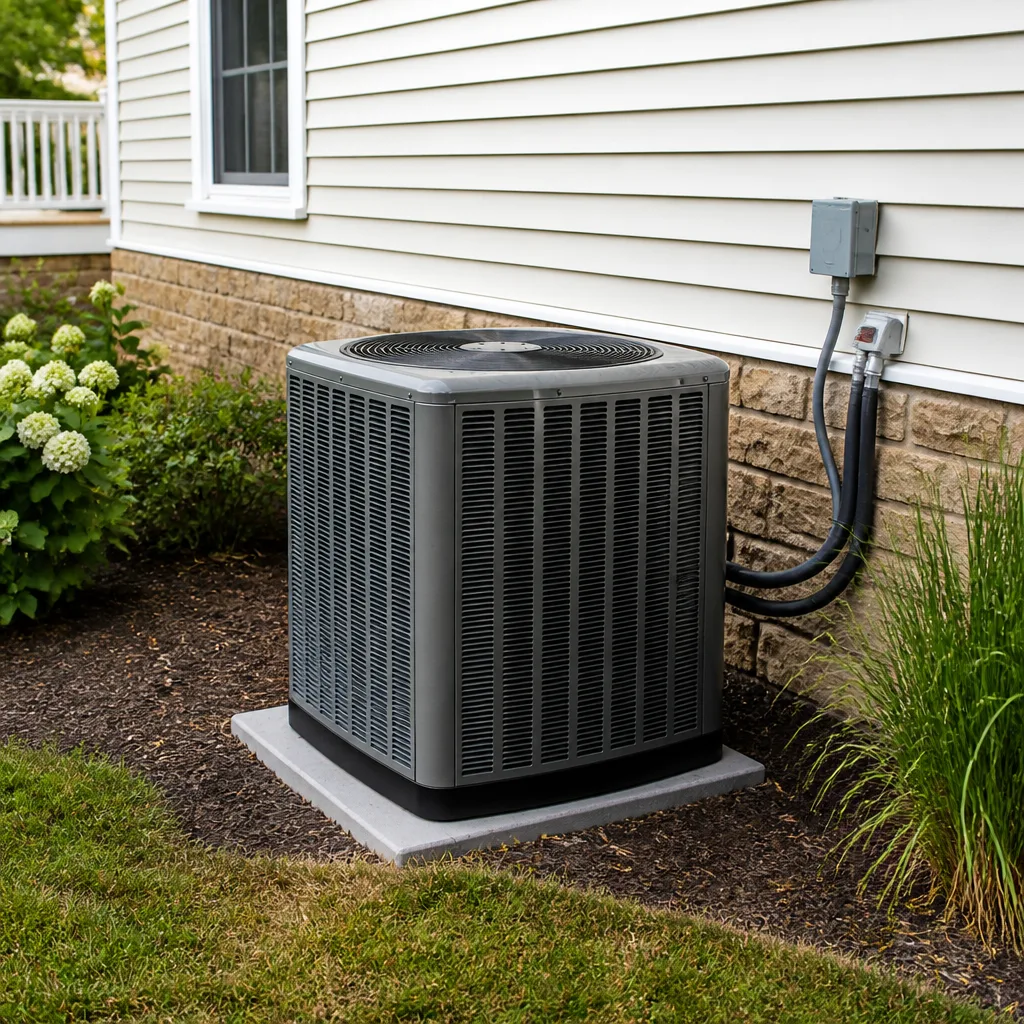 AC repair
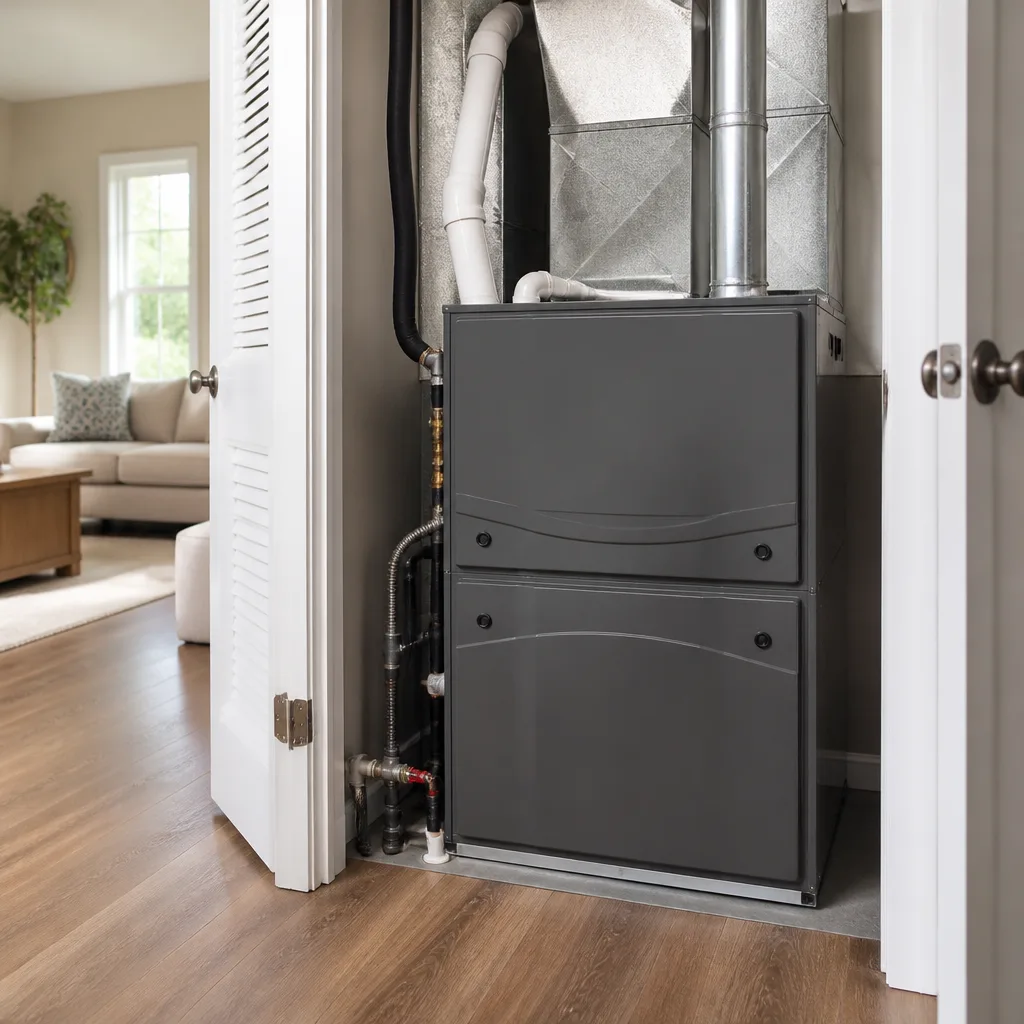 Furnace & heating
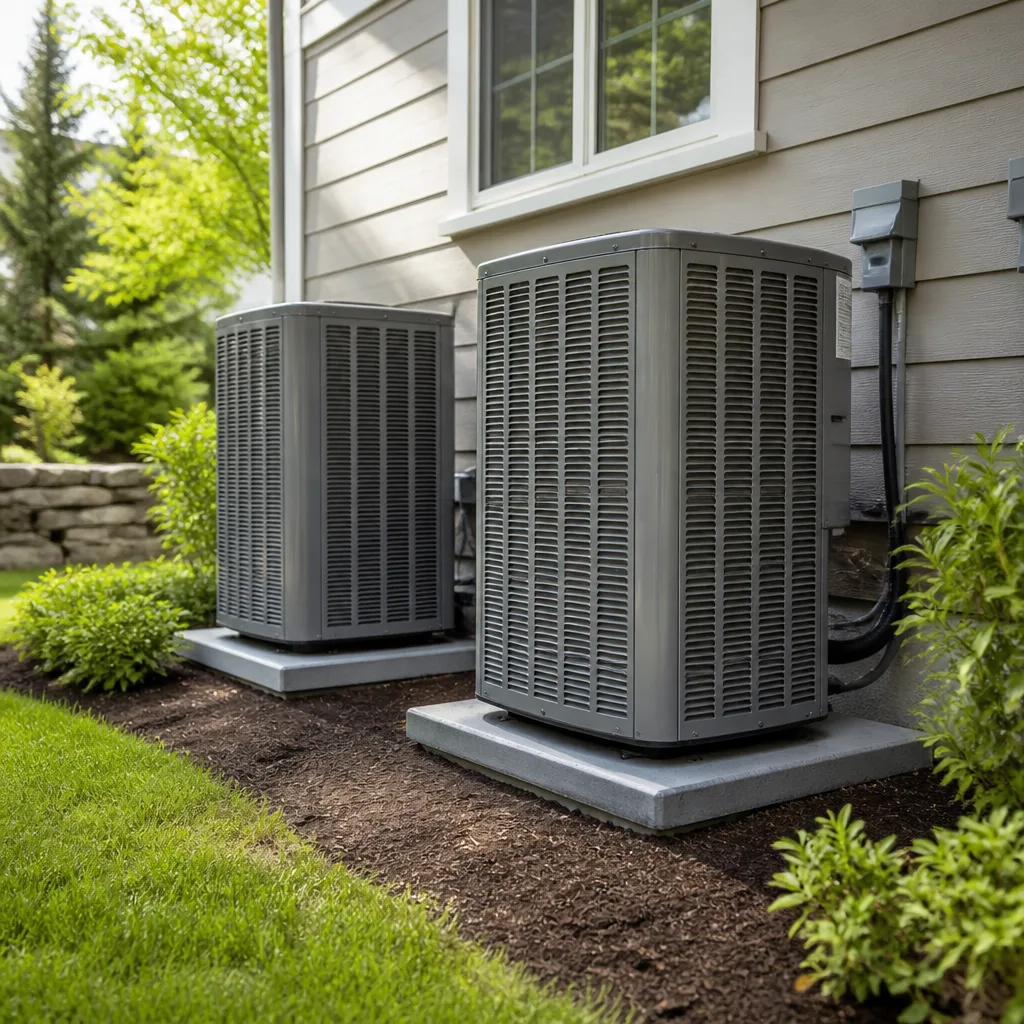 Heat pumps
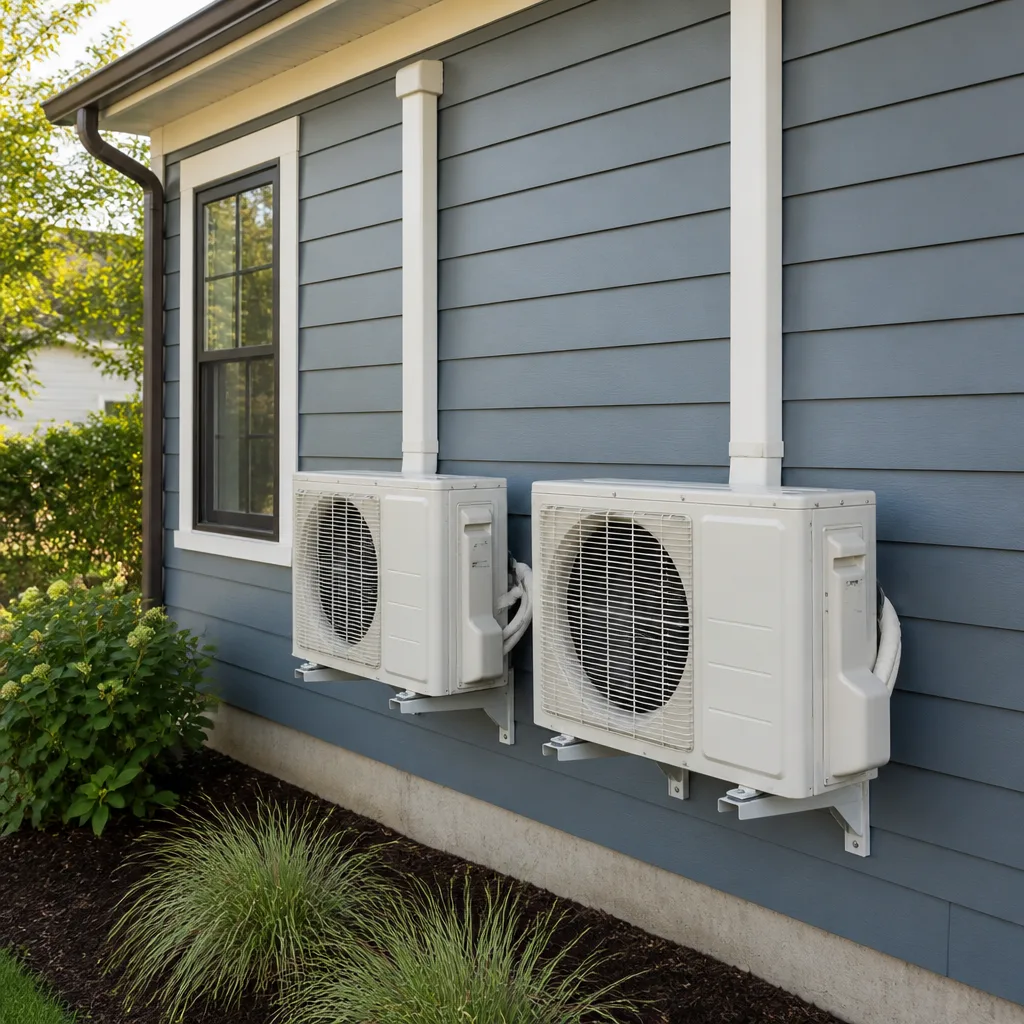 Ductless mini splits
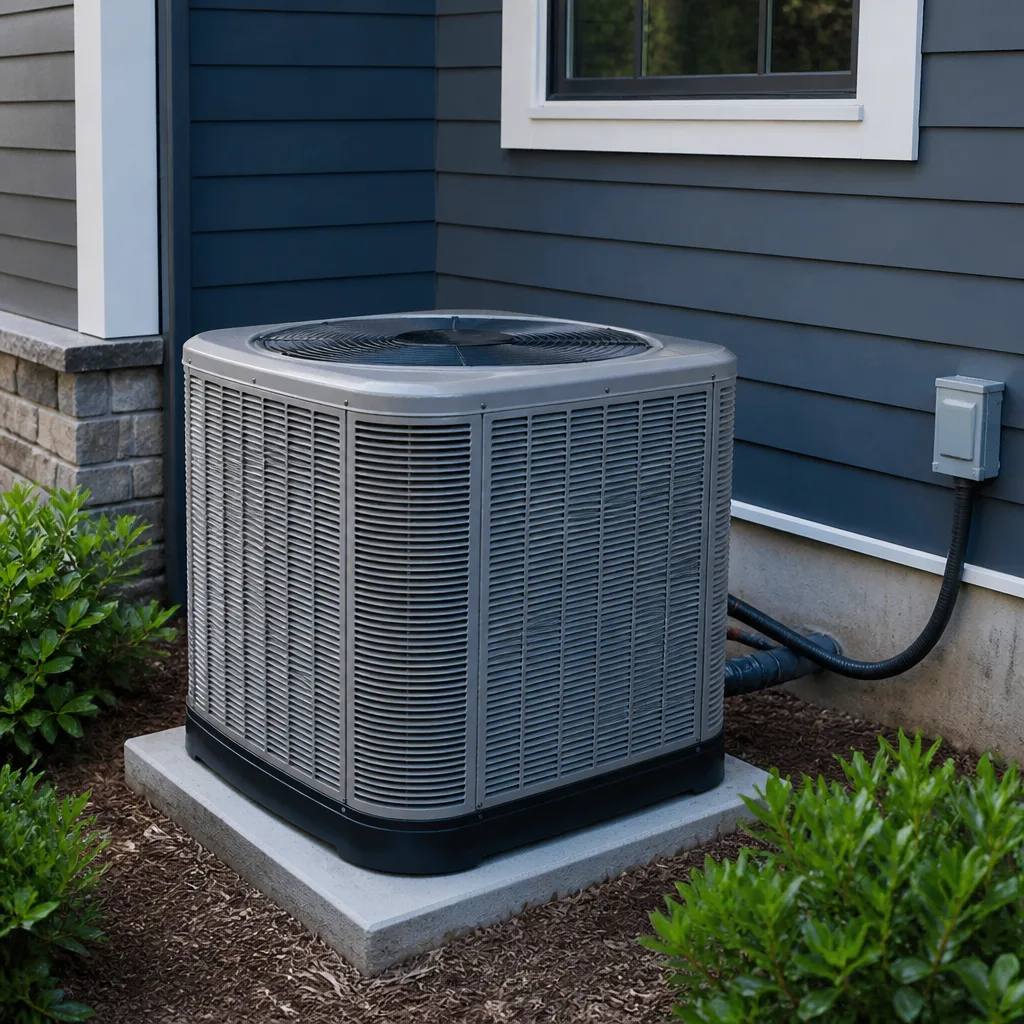 Carrier
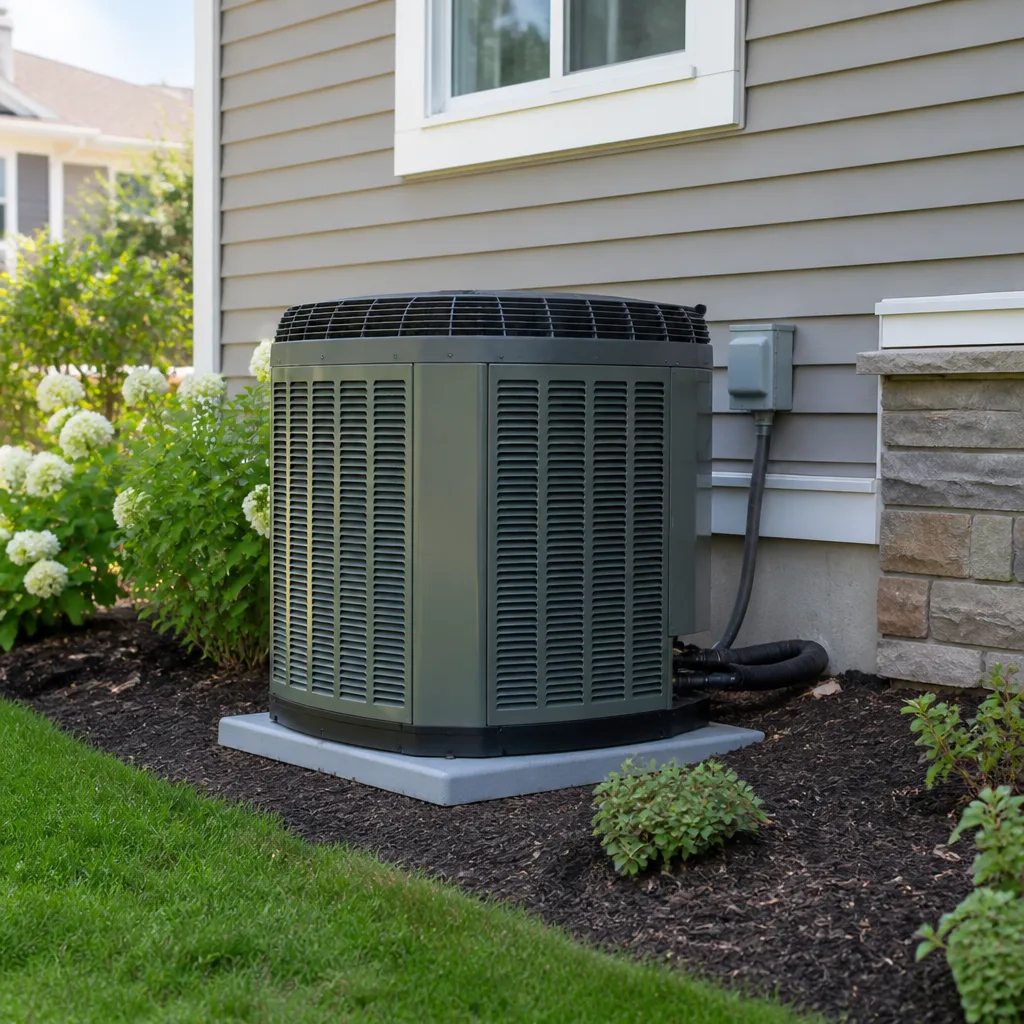 Trane
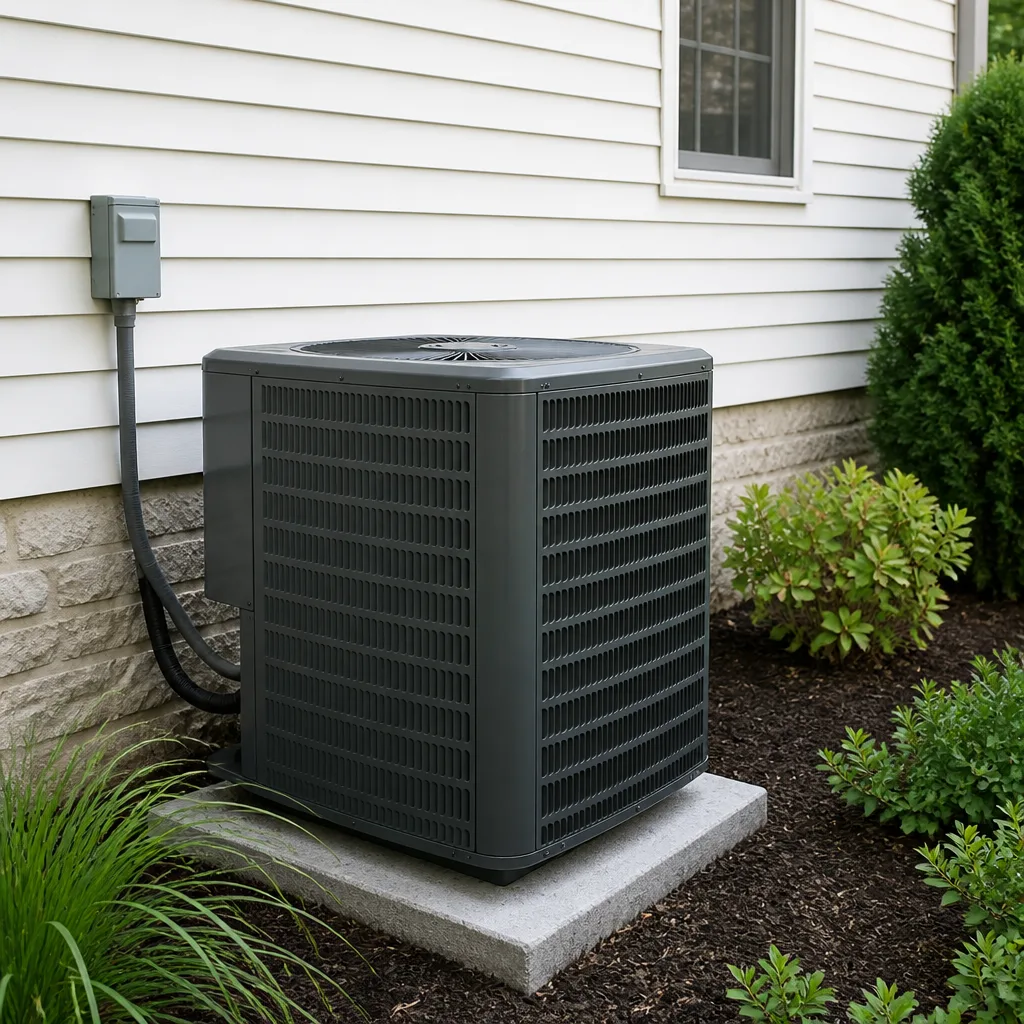 Goodman
Seasonal tune-up and full diagnostic on your Carrier, Trane, or Goodman system - readings shown to you before any repair is proposed
Diagnosis first, numbers second - you approve the repair price before a single part goes in.
Get your free estimateThe Complete Guide to HVAC in Henderson
Henderson’s city design standard requires HVAC equipment to handle 115°F outdoor air. That single threshold eliminates roughly a third of the systems marketed nationally as “suitable for hot climates” – and it’s why a generic buying guide can steer a Henderson homeowner toward a system that will struggle in July. This guide treats Henderson as a specific engineering environment: its elevation changes, its caliche soil, its hard water, its 1990s building boom, and its HOA rules. You’ll learn how load calculations actually work here, which efficiency ratings really apply under Nevada code, and when a repair makes more sense than a replacement.
Quick Answer
HVAC in Henderson means sizing equipment for a 115°F design temperature, accounting for elevation-driven load differences across the valley, and meeting Nevada’s adopted SEER2 minimums rather than national marketing claims. Most repairs run $150 – $650, while full system replacements typically land between $6,500 and $13,500 depending on tonnage and HOA constraints. Call (844) 797-5122 for a free estimate and a written price before any work begins.
Styles & brands we work with
- AC repair
- Furnace & heating
- Heat pumps
- Ductless mini splits
- Carrier
- Trane
- Goodman
Table of Contents
- Why Henderson’s 115°F Design Temperature Matters
- Manual J Load Calculations in Henderson’s Valley
- The 1990s Building Boom and Today’s Replacement Wave
- SEER2 Minimums Under Nevada’s Adopted Energy Code
- Caliche, Hard Water, and What They Do to Your System
- HOA Rules in Green Valley and Anthem
- What HVAC Work Costs in Henderson
- Maintenance That Actually Extends System Life
Why Henderson’s 115°F Design Temperature Matters
A design temperature is the outdoor temperature your system must handle on the hottest expected day – the number engineers use to size equipment. Henderson’s standard sits at 115°F. Many systems advertised nationally are rated for a 95°F to 105°F design condition. When you install one here, the compressor works near or beyond its rated capacity during peak summer, which shortens its life and drives up electricity bills.
This matters because manufacturer marketing doesn’t always distinguish. A unit sold as “built for hot climates” may be perfectly fine in Phoenix at 108°F but marginal for Henderson’s 115°F peaks. When we size equipment for a Henderson home, we start from the local design temperature and work backward – never from what’s on sale.
Elevation adds another layer. Henderson sits between roughly 1,800 and 3,000 feet depending on the neighborhood, with notable stretches like Anthem and the foothills above the valley floor. Higher elevation reduces air density, which affects airflow through ducts and the performance of air-cooled condensers. A system sized for sea-level conditions will underperform up the hill.
What this means in practice
- Systems must be selected against the 115°F threshold, not a national average.
- Elevation adjustments change duct sizing and static pressure expectations.
- Oversizing to “play it safe” causes short cycling, which is just as damaging as undersizing.
- Manual J calculations, not rules of thumb, drive correct sizing.
Manual J Load Calculations in Henderson’s Valley
Manual J is the industry-standard method for calculating how much heating and cooling a home actually needs. It accounts for square footage, window area and orientation, insulation levels, air leakage, and local climate data. In Henderson, the calculation is complicated by elevation changes across the valley floor – a house in Green Valley at a lower elevation can have a meaningfully different load than a similarly sized home in the foothills.
We’ve seen too many replacement jobs where the original equipment was sized by square footage alone. A 2,000-square-foot home can legitimately need anywhere from 3 to 4.5 tons depending on orientation, shade, and envelope quality. Getting this wrong costs money every month for the life of the system.
What a proper Manual J includes
- Room-by-room measurements of windows, doors, and exterior walls.
- Insulation and window efficiency values, verified on site.
- Local design temperature inputs (115°F for Henderson cooling, and the corresponding heating design temp).
- Duct location and condition, since attic ducts gain heat before air reaches the room.
- Occupancy and appliance loads, which surprise homeowners more than they expect.
If a contractor quotes you a replacement without a Manual J, ask why. North Las Vegas and Las Vegas proper have slightly different load profiles, but the principle is the same everywhere. For a deeper look at what replacement involves, see our guide to AC Installation in Henderson.
The 1990s Building Boom and Today’s Replacement Wave
Henderson’s master-planned communities grew fast in the 1990s. Green Valley, parts of Anthem, and the neighborhoods along Horizon Ridge filled in with builder-grade equipment installed during construction. Builder-grade systems are typically the least expensive units that meet code at the time – with expected service lives of 12 to 18 years in a mild climate, less in Henderson’s heat.
Those systems are now hitting 25 to 30 years old. We’re regularly called to Henderson homes where the original 1990s air conditioner is still running – and every summer it’s a coin flip whether it makes it through July. When we get those calls, the question is rarely “can it be repaired?” but “is it worth repairing?”
Signs you’re in the replacement window
- The unit is more than 15 years old and needs a major repair (compressor, coil, or blower motor).
- You’re calling for repairs twice a season.
- Electric bills have crept up 20% or more over three summers without rate changes explaining it.
- Refrigerant is R-22, which is phased out and increasingly expensive to recharge.
- Rooms don’t cool evenly even after balancing the vents.
If two or more of those apply, replacement is usually the better economics. We’ll always give you the repair price and the replacement range side by side, in writing, so you can decide. See AC Repair in Henderson for how we approach a repair-or-replace call.
SEER2 Minimums Under Nevada’s Adopted Energy Code
SEER2 is the current efficiency rating for air conditioners, replacing the older SEER metric with a more realistic test method. Nevada has adopted federal minimums that apply to equipment sold and installed in the state – but manufacturers advertise national numbers that can be higher than what’s actually required, and sometimes confuse the two.
Under the current federal standard adopted in Nevada, split-system air conditioners must meet a SEER2 minimum that varies by region. Here in the Southwest, the minimums are higher than in northern states because of cooling demand. That means a system that’s legal to sell in Minnesota may not meet Henderson’s minimum.
What to look for on the label
- SEER2 rating – the current metric, not the older SEER.
- Regional compliance label confirming it meets Southwest minimums.
- Matching indoor coil and air handler, since efficiency ratings are system-level, not component-level.
- Whether any advertised efficiency rebates or tax credits actually apply to your specific model.
Brands like Daikin and American Standard publish clear regional compliance information, which makes choosing the right model less confusing. Ask your contractor for the AHRI certificate that confirms the system meets code as configured – not just the outdoor unit. Our team can walk you through this. For more on which brands we work with, see Coldharbour Heating & Air Henderson home.
Caliche, Hard Water, and What They Do to Your System
Caliche is a naturally cemented soil layer common across the Las Vegas Valley, including much of Henderson. It forms when calcium carbonate binds soil particles into a hard, concrete-like layer, sometimes a few inches below the surface and sometimes several feet down. For HVAC, caliche causes two specific problems.
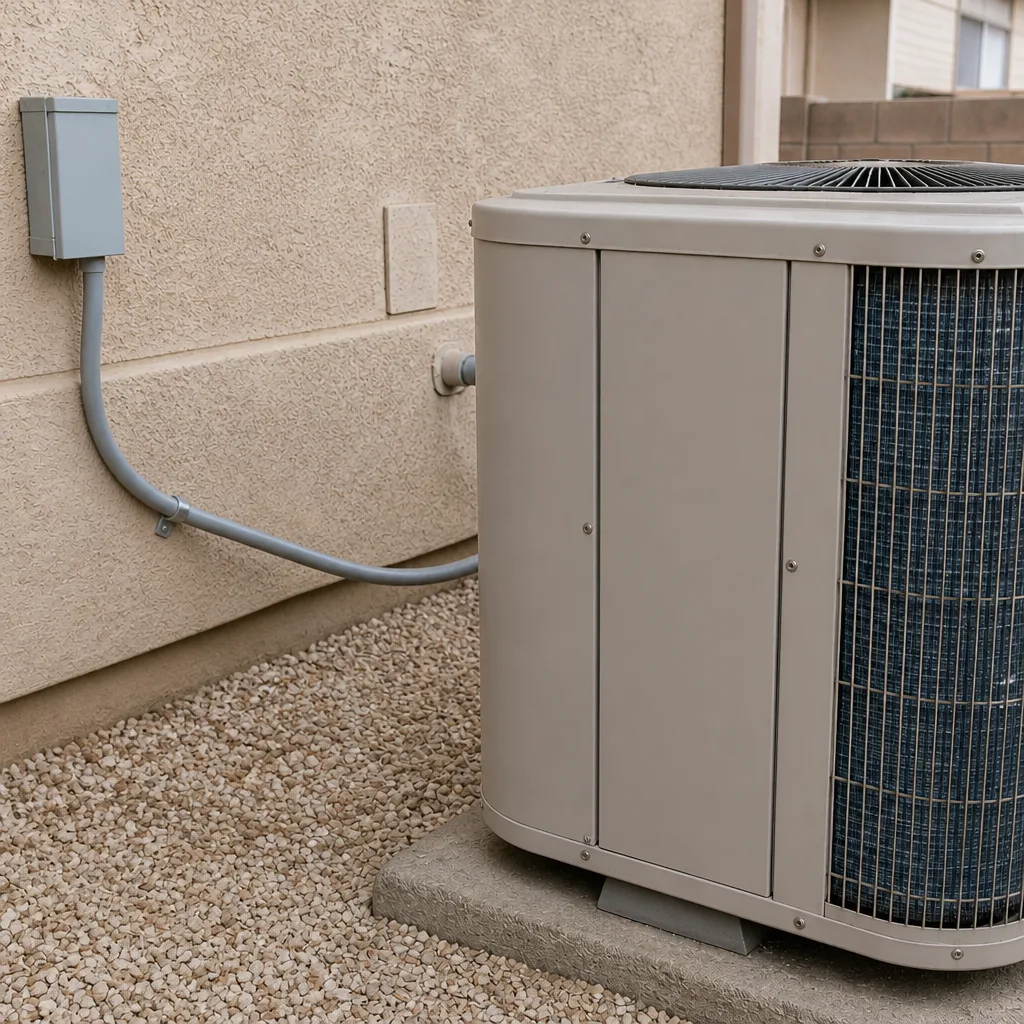
First, outdoor unit pads. A condenser sitting on a slab over shifting caliche can settle unevenly, tilt the unit, and stress refrigerant lines. Second, condensate drainage. The drain line that carries water away from your evaporator coil is exposed to Henderson’s hard water – water with high mineral content – and the combination of hard water and warm summer temps makes drain lines a common failure point.
What we see on Henderson service calls
- Condenser units tilted 10 to 20 degrees because of pad settling, causing compressor oil migration and premature wear.
- Condensate lines clogged with mineral scale and biological growth, leading to water damage inside closets and ceilings.
- Coils that need cleaning more often than in softer-water markets, because scale builds up faster.
- Refrigerant line sets that vibrate loose over time because the pad wasn’t properly leveled or anchored.
When we install or service a system here, we check pad level and add a condensate float switch if the home doesn’t already have one. It’s a small part that catches a clogged line before it floods a hallway. For furnace-side issues, our team at Furnace Repair in Henderson handles the same hard-water and settling problems on the heating side.
HOA Rules in Green Valley and Anthem
HOA rules are one of the most overlooked factors in HVAC replacement, and in Henderson they can genuinely change what’s possible. Communities like Green Valley and Anthem enforce architectural standards that dictate where outdoor units can sit, screen walls and landscaping requirements, and sometimes color and noise limits.
What we’ve learned: the equipment selection and the HOA approval need to happen together, not sequentially. If you buy a system sized for a spot that turns out to be invalid under HOA rules, you may need to relocate the unit mid-job, which changes line routing, pad design, and sometimes the system size that fits.
A realistic HOA sequence
- Read your CC&Rs for equipment placement rules before you call for quotes.
- Have the contractor confirm the proposed location is compliant before pricing the job.
- Submit the architectural request with equipment specifications and a site sketch.
- Wait for written approval before ordering equipment.
- Schedule install after written approval is in hand.
Some Green Valley HOAs take two weeks to approve. Some take six. Plan for it. We’ll always give you a firm install date, but the HOA timeline is on the calendar too. For a deeper look at replacement choices under these rules, our AC Installation in Henderson page covers how we sequence an HOA-compliant job.
What HVAC Work Costs in Henderson
Prices in Henderson reflect Southwest labor rates, local code requirements, and the practical reality of caliche and HOA constraints. Here’s what we see on real jobs, with the caveat that every home is different.
| Service | Typical Henderson Range |
|---|---|
| Diagnostic visit | $89 – $149 |
| Capacitor replacement | $180 – $320 |
| Contactor replacement | $200 – $350 |
| Blower motor replacement | $450 – $850 |
| Condensate line clearing + float switch | $150 – $280 |
| Refrigerant recharge (R-410A) | $350 – $750 |
| Furnace igniter replacement | $150 – $280 |
| Full AC system replacement (3-ton, standard efficiency) | $6,500 – $9,500 |
| Full AC system replacement (4-ton, higher efficiency) | $9,000 – $13,500 |
| Annual maintenance visit | $129 – $199 |
Every price above is delivered in writing before work begins. If the technician discovers something on site that changes the scope, you’ll see the revised price before they touch a tool – that’s not a marketing line, it’s how we operate under The Kingswell Way. Our AC Installation in Henderson page has more detail on how replacement ranges vary by size and efficiency tier.
Maintenance That Actually Extends System Life
A well-maintained system in Henderson can last 15 to 20 years. A poorly maintained one often fails between 10 and 13. The difference is a couple of specific habits more than a long checklist.
- Change the filter every 60 to 90 days. During peak summer, every 30 to 45 days. A clogged filter strains the blower and drops efficiency fast.
- Clear debris from the outdoor unit. Palm fronds, tumbleweeds, and dust accumulate quickly. Keep two feet clear on all sides.
- Flush the condensate line. A cup of distilled water and a look at the drain pan once a month catches clogs before they become water damage.
- Schedule a spring tune-up before the first 100°F day. Capacitors, contactors, and refrigerant charge all matter more when the system runs continuously.
- Watch the pad for settling. If your condenser starts to tilt, call it in. A tilted unit wears out quickly.
Every tune-up we perform comes with a written report of what we found and what we recommend. Technicians aren’t paid on what they sell, so the report reflects what the system actually needs. Our AC Repair in Henderson page explains how we handle warranty calls and emergency service.
Common Mistakes to Avoid
- Buying on national marketing alone. Many “hot climate” systems don’t meet Henderson’s 115°F design threshold or regional SEER2 minimums. Check both before you buy.
- Sizing by square footage instead of Manual J. A 2,000-square-foot Henderson home can legitimately need anything from 3 to 4.5 tons depending on orientation and envelope.
- Ignoring the HOA sequence in Green Valley or Anthem. Equipment placed before approval means relocating the unit mid-job, which adds cost and delays the project weeks.
- Skipping the condensate float switch. It’s a $60 part that prevents a $2,000 drywall repair when a Henderson hard-water line clogs.
- Continuing to pour money into a 25-year-old builder-grade system. Past 15 years, a major repair is often a bet against the odds.
- Skipping the written quote. Verbal pricing is where prices “jump at the door” in our market. Get it in writing before the technician opens the tool bag.
- Overlooking pad settling under the condenser. A five-degree tilt shortens compressor life and stresses refrigerant lines.
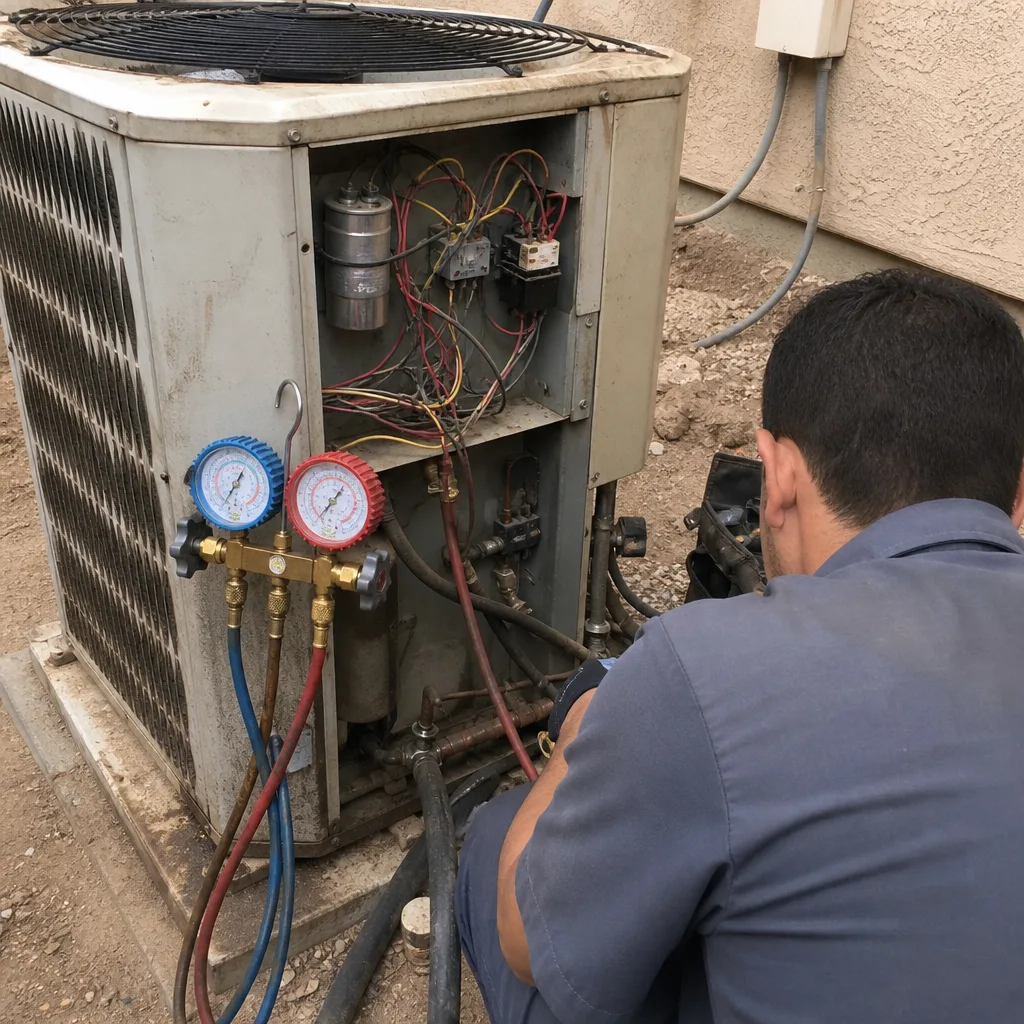
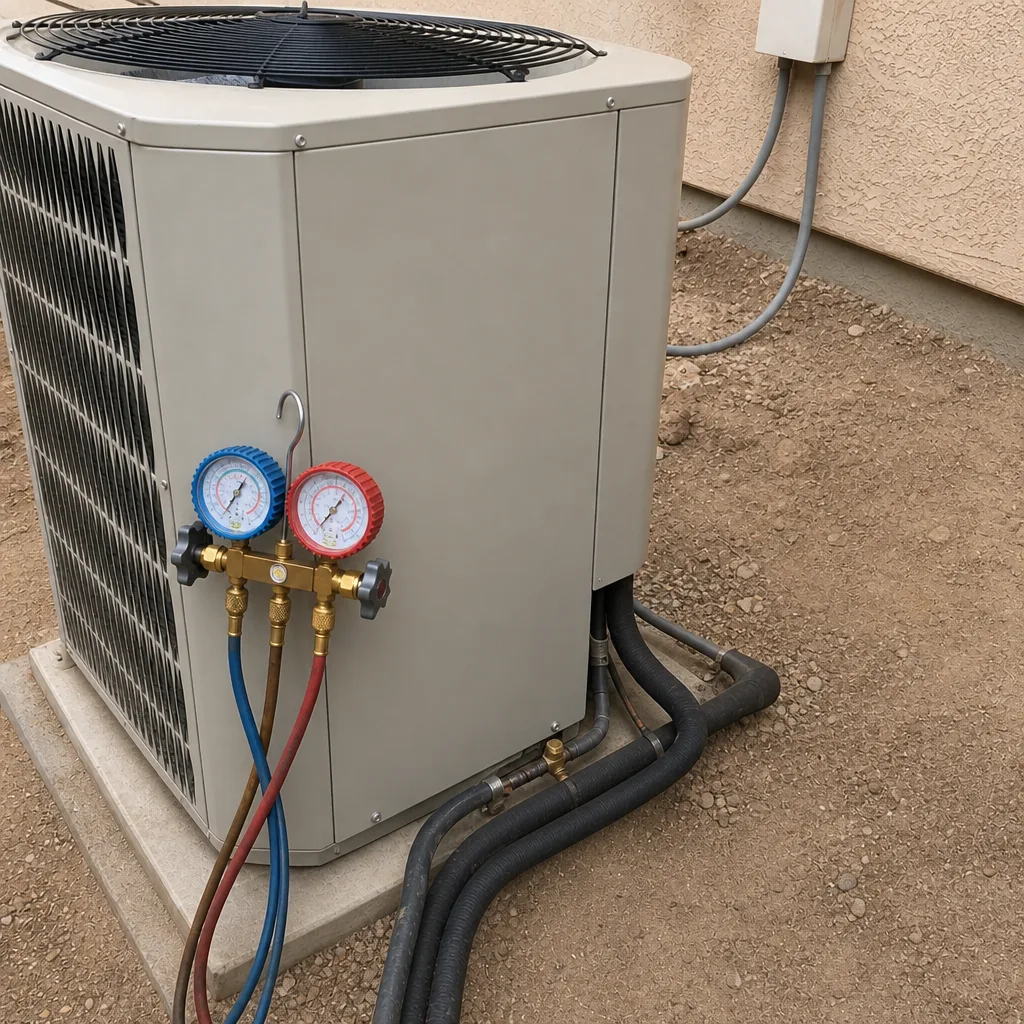
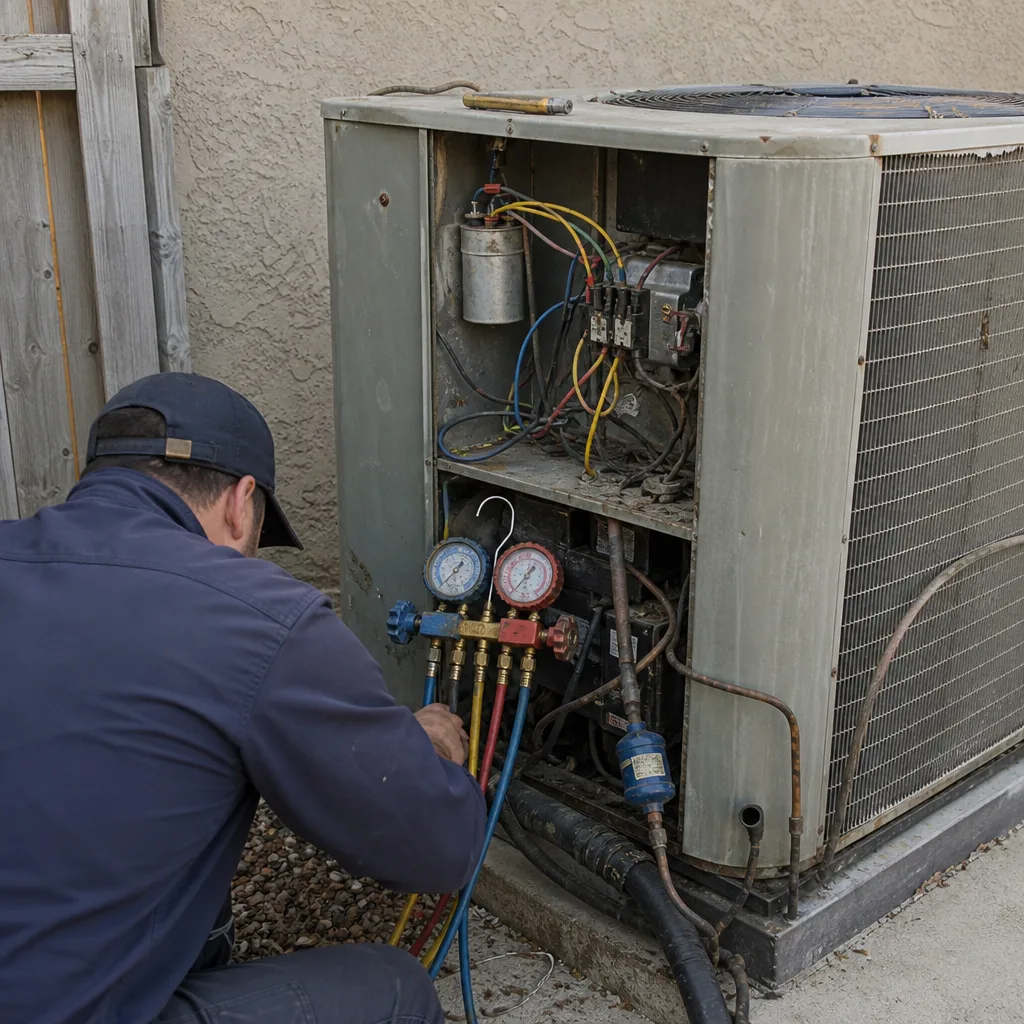
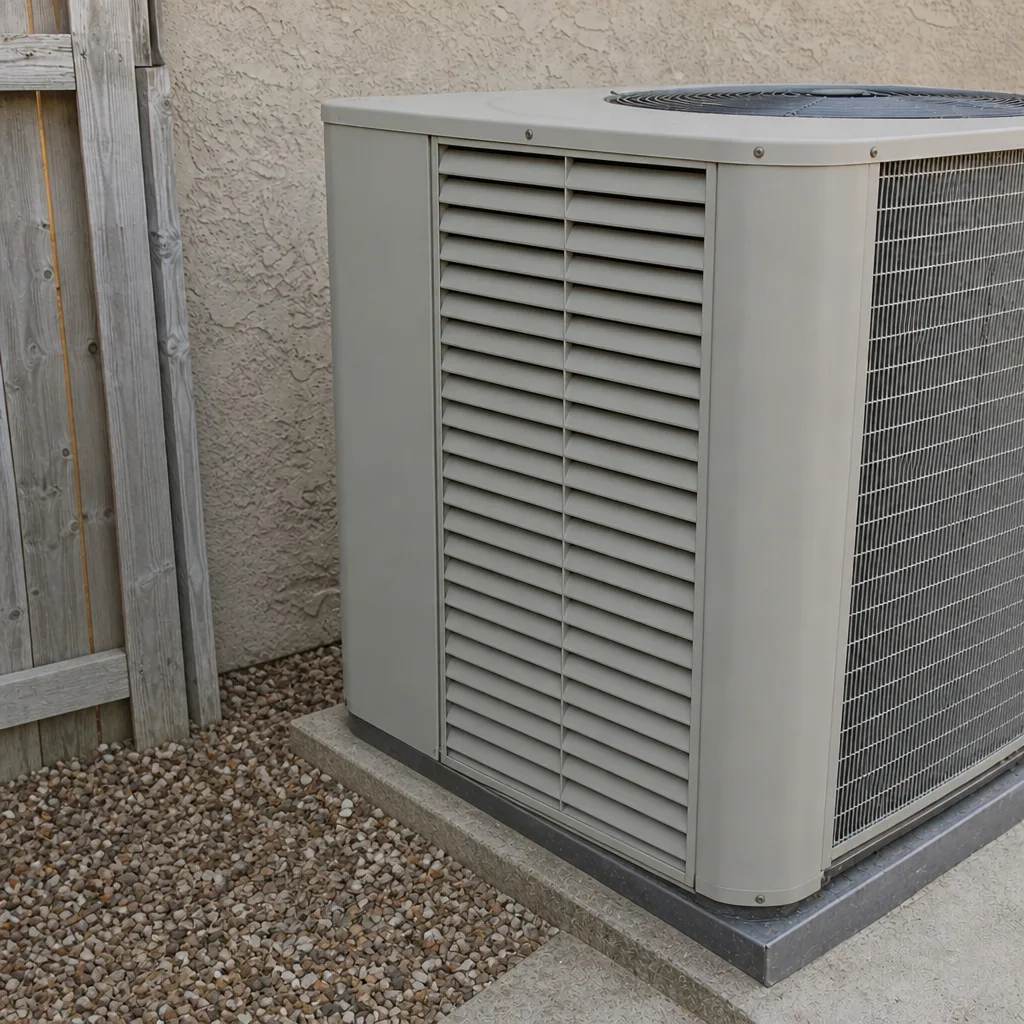
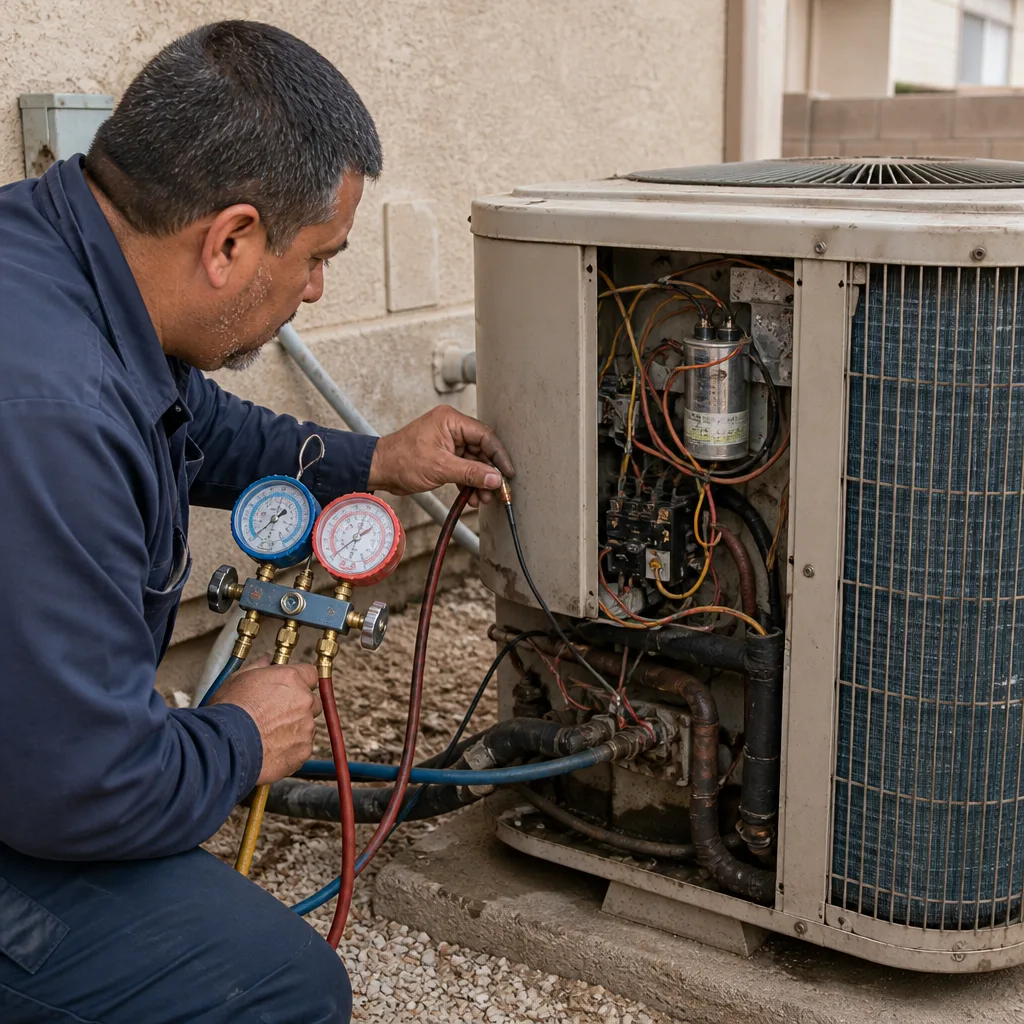
See the difference
 Before
 After
 Before
 After
 Before
 After
When to Call a Professional
Some HVAC issues are genuinely dangerous, and refrigerant work specifically is regulated – handling refrigerant without certification is illegal and unsafe. Call a professional when the system is blowing warm air, when you hear a loud clunk or repeated short cycling, when the breaker trips within seconds of the system turning on, when you see water pooling near the indoor unit, or when you smell a burning or sweet smell (refrigerant leaks sometimes have a faintly sweet odor). These aren’t diagnostics you want to attempt yourself; the components involved include high-voltage capacitors and pressurized refrigerant lines that can cause serious injury.
Coldharbour Heating & Air Henderson offers free estimates in Henderson – call (844) 797-5122. Our phones are answered by a live person around the clock, and technicians are trained to service Carrier, Trane, Lennox, York, Daikin, Bryant, and American Standard systems.
Frequently Asked Questions
Most Henderson homeowners pay between $6,500 and $13,500 for a full AC system replacement, with 3-ton standard-efficiency systems landing near the lower end and 4-ton higher-efficiency systems at the top. HOA requirements in Green Valley and Anthem can add cost for screening or relocation. Call (844) 797-5122 for a free estimate and a written price.
If the system is past 15 years old and the repair cost exceeds about 30% of a replacement, replacement is usually the better economics – and every year past 20 adds risk of mid-summer failure. We’ll give you both numbers in writing so you can decide. Call for an honest assessment, not a sales pitch.
Henderson falls in the Southwest region, which requires a higher SEER2 minimum than northern states. Your specific home may be sized for the minimum or higher depending on ductwork, orientation, and Manual J results. Ask for the AHRI certificate confirming the exact system meets code as configured. Call (844) 797-5122 with any questions about compliance.
Caliche soil – the naturally cemented layer common across Henderson – can shift under the outdoor unit’s pad, causing the condenser to tilt. A tilted unit stresses refrigerant lines and accelerates compressor wear. This is common in Green Valley and the foothill neighborhoods above the valley floor. Call us to level the pad before the unit sustains damage.
Not in most Henderson HOAs. Green Valley and Anthem communities have specific equipment placement rules, and some require screening walls or landscaping buffers. Get written architectural approval before you buy equipment, or you risk relocating the unit mid-install at extra cost. We can help to coordinate this and make sure the price reflects the actual installation constraints.
Yes – our phones are answered by a live person 24 hours a day, 7 days a week, with no voicemail tree and no after-hours runaround. If your system fails on a 115°F day, you’ll reach someone who can schedule a technician. Call (844) 797-5122.
The Bottom Line
Henderson’s HVAC reality is shaped by forces most guides overlook: a 115°F design temperature that disqualifies many nationally advertised systems, elevation changes that alter load calculations across the valley, caliche soil that settles under outdoor units, hard water that clogs condensate lines, HOA rules that constrain replacement in Green Valley and Anthem, and a 1990s building boom now hitting its replacement window. If your system is past 15 years old or you’re facing a major repair, get a written Manual J load calculation and a written price before anything else happens. The 365-Day Done Right Promise backs every repair we do – if it fails within a year, we come back and fix it at no charge. Call (844) 797-5122 for a free estimate.
Written by the team at Coldharbour Heating & Air Henderson.